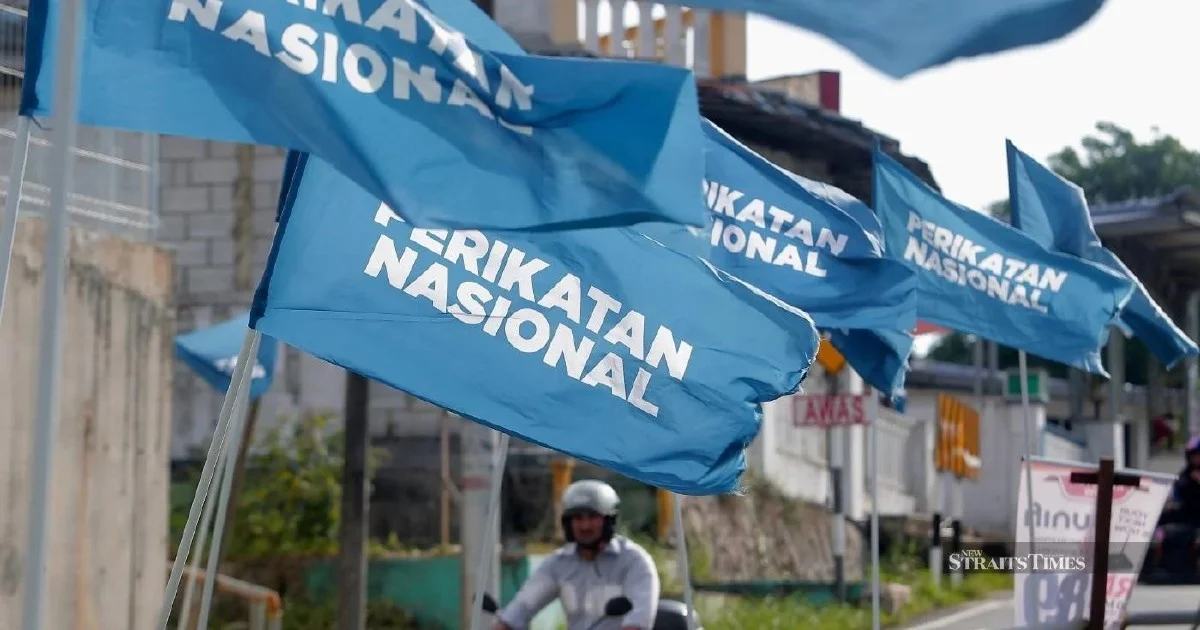
The Perikatan Nasional coalition has swiftly moved to counter spreading rumours about its electoral strategy in Johor, with deputy chairman P. Punithan publicly rejecting a fraudulent statement that has been circulating online. The false claim suggested that the opposition coalition would withdraw from the state-level contest, a prospect that Punithan characterised as wholly inaccurate and designed to mislead the public.
Social media has become an increasingly common vector for misinformation regarding Malaysian electoral politics, with unverified claims about parties' strategic decisions spreading rapidly before official denials can be issued. In this instance, the viral post appears to have been fabricated entirely, bearing none of the hallmarks of an authentic party communication. Such disinformation campaigns are particularly consequential in the period preceding state elections, when voters are attempting to form judgments about political parties' intentions and viability.
Penithan's intervention represents a crucial correction to the public record at a moment when Malaysian voters require accurate information about which coalitions intend to field candidates across constituencies. The Johor state election is a significant political contest in a state with considerable economic importance and a complex electoral history involving shifting coalition dynamics. Any substantive shift in Perikatan Nasional's participation level would represent material news warranting careful scrutiny and official confirmation.
The timing of such false claims is rarely coincidental in Malaysian politics. Rumours about coalition withdrawals can suppress voter turnout among supporters who lose confidence in their preferred alliance, whilst simultaneously potentially boosting rivals who benefit from reduced competition. The circulation of deliberate falsehoods creates a challenging information environment for voters attempting to make informed electoral choices, and demonstrates the ongoing vulnerability of the Malaysian political discourse to organised misinformation.
Perikatan Nasional, which has established itself as a major opposition force since its formation in 2020, has a clear strategic interest in participating across diverse state contests. Withdrawing from Johor would represent a dramatic reversal of the coalition's positioning and would signal substantial weakness heading into future electoral contests. The coalition's visible response to these rumours indicates the seriousness with which party leadership views its competitive position and public perception in the state.
Johor has historically been a significant battleground in Malaysian electoral politics, serving as the home state of former Prime Minister Mahathir Mohamad and housing important commercial and industrial centres. The state's political composition has shifted considerably in recent years, with various coalitions gaining and losing ground according to shifting voter preferences and strategic calculations. Any major withdrawal by an opposition force would substantially alter the expected competitive dynamic.
The rise of digital disinformation in Malaysian politics reflects broader global patterns, where false claims spread faster than corrections and reach audiences across traditional demographic lines. Political parties and election observers have increasingly recognised the threat posed by coordinated or opportunistic misinformation campaigns that distort public understanding of electoral plans. Distinguishing authentic party communications from fabricated material has become an essential skill for informed voters.
Official party statements remain the most reliable source of information regarding coalition electoral strategies, yet voters often encounter political news through social media platforms where verification is difficult and false claims circulate alongside legitimate reports. Perikatan Nasional's decisive action in publicly refuting the viral claim represents the type of rapid response increasingly necessary to counter misinformation in contemporary electoral contexts. Without such intervention, false narratives can calcify into public belief and potentially influence voting behaviour.
The incident underscores the ongoing tension between the speed of information dissemination and the capacity of political institutions to manage public understanding. A fabricated statement about a major coalition's electoral participation would have taken weeks or months to address through traditional media channels in earlier eras, yet the acceleration of information flows through digital platforms means such claims can influence public opinion in real time before being effectively countered.
For Malaysian voters in Johor, the clarification from Perikatan Nasional provides essential certainty about the competitive landscape they face when the state election is held. Understanding which coalitions intend to contest allows voters to engage meaningfully with electoral choices rather than proceeding from false assumptions about the available options. As election periods approach, the capacity of political coalitions to rapidly communicate accurate information becomes increasingly consequential for democratic processes.

