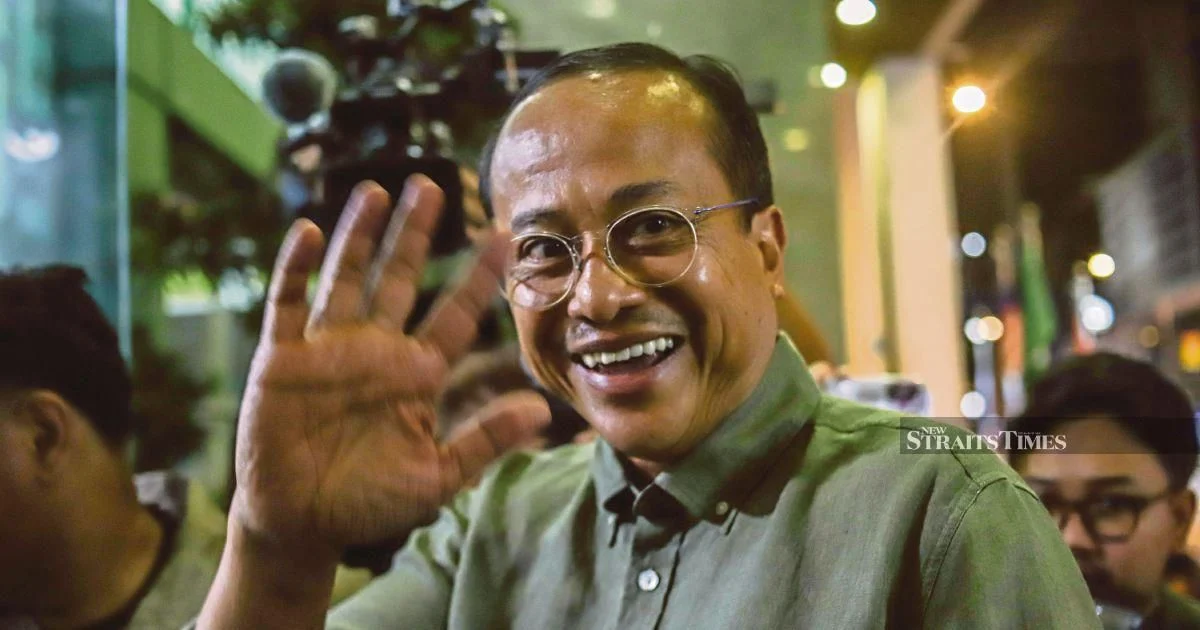
Datuk Seri Hamzah Zainudin's assumption of the Opposition Leader role in the Dewan Rakyat continues to exist in a state of administrative limbo, as the Perikatan Nasional coalition has not formally communicated his appointment through official channels. The Larut Member of Parliament's position, while functionally occupied, remains without the procedural stamp of approval that typically accompanies such significant parliamentary roles.
This absence of formal notification represents an unusual departure from parliamentary convention, where major leadership transitions are typically accompanied by clear institutional communication. The lack of official word from Perikatan Nasional—the political coalition of which Hamzah is a prominent member—introduces an element of uncertainty around the legitimacy and permanence of his designation, at least from a bureaucratic standpoint. Such procedural gaps can create complications in parliamentary operations and may affect the clarity of delegated responsibilities.
The situation underscores emerging tensions within Malaysia's opposition landscape, particularly as the political balance continues to shift in the aftermath of the 2022 general election and subsequent developments in coalition-building. Opposition Leader roles carry considerable weight in parliamentary discourse and media influence, making the informal nature of Hamzah's current position noteworthy. The position grants the holder specific parliamentary privileges, speaking rights, and media platforms that shape how the government's policies are scrutinized and communicated to the public.
Peikatan Nasional's apparent reluctance or delay in issuing formal notice may reflect internal discussions or disagreements within the coalition regarding leadership structures and representation. As a multi-party coalition, Perikatan Nasional comprises various component parties with sometimes divergent interests, and such organizational decisions often require consensus-building or negotiation among different party leaders. The coalition's composition includes PAS, Bersatu, and other parties, each with stakes in parliamentary representation and prominence.
For Malaysian voters and political observers, the lack of formal confirmation raises practical questions about the stability of opposition leadership and the health of institutional processes within major political blocs. Opposition parties play a crucial constitutional role in holding governments accountable, and clear internal organization strengthens that function. When procedural matters become ambiguous, it can inadvertently weaken the opposition's ability to mount cohesive, well-coordinated scrutiny of government policies and actions.
Regionally, Malaysia's opposition dynamics carry significance as the Southeast Asian region watches how the country manages its democratic institutions and political transitions. Neighbouring countries and international observers often assess the robustness of opposition structures as an indicator of democratic health. Procedural irregularities or delays in confirming leadership positions can feed narratives about institutional weakness, regardless of the actual substantive reasons underlying the administrative gap.
Hamzah's own position warrants consideration as well. As a long-standing political figure with ministerial experience during the Muhyiddin administration, his credentials for leading opposition efforts are established. However, operating without formal institutional backing places him in a position of reduced security regarding his role's duration and scope. Should Perikatan Nasional eventually issue contrary instructions or withdraw support, his Opposition Leader status could be compromised, potentially creating mid-stream leadership transitions that disrupt parliamentary work.
The parliamentary Opposition Leader designation is not merely ceremonial in Malaysia's system. The role carries statutory recognition, affects committee assignments, determines the Opposition's questioning time allocations, and influences media dynamics surrounding parliamentary business. These practical functions require clear authorization and acknowledgment from the coalition that designates the individual. Operating without formal endorsement means Hamzah's authority to represent the opposition position rests on tacit acceptance rather than explicit institutional mandate.
Moving forward, observers expect Perikatan Nasional to clarify its position, either by formally confirming Hamzah's appointment or by articulating alternative arrangements. The extended silence suggests either careful internal deliberation or a strategic choice to maintain ambiguity—both of which warrant explanation given the position's public-facing importance. Parliamentary operations function more effectively when all participants understand the formal authority structures within which they operate.
For Malaysian political watchers, this situation exemplifies the complexities that emerge when multi-party coalitions operate without unified command structures. Unlike governments with single-party dominance, opposition coalitions must balance competing interests and navigate consensus-building, sometimes at the cost of institutional clarity. The resolution of Hamzah's status will likely inform how Perikatan Nasional manages future leadership decisions and how effectively it can present a unified opposition front during parliamentary sessions.

