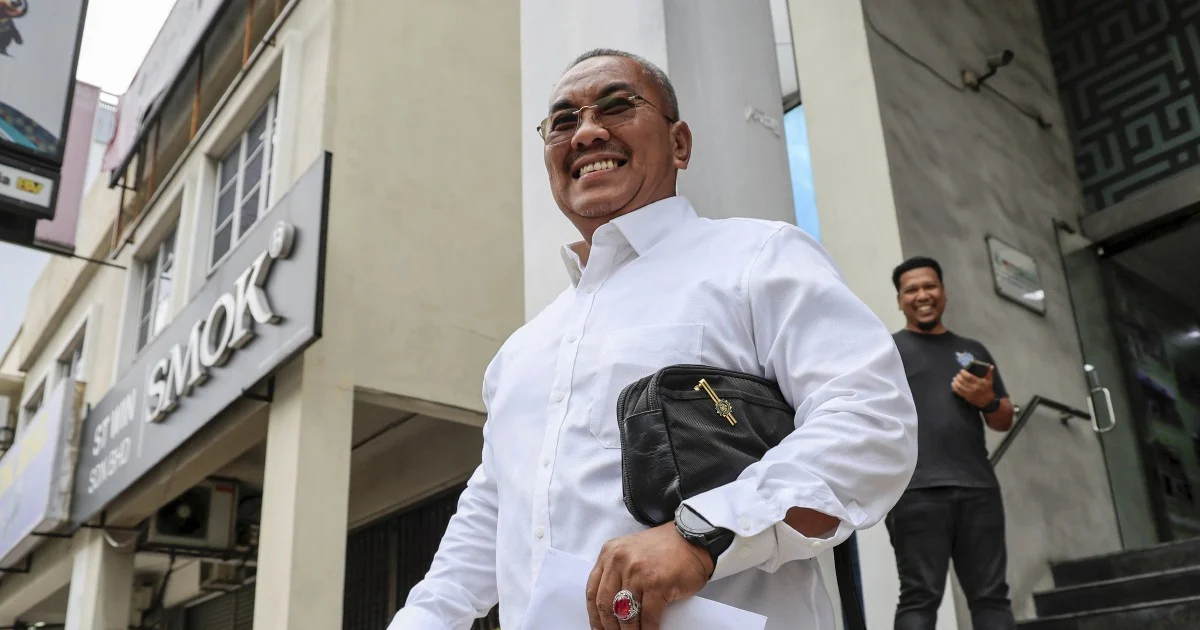
Perikatan Nasional has cleared a major organisational hurdle ahead of the Johor election, with coalition election director Datuk Seri Sanusi Md Nor announcing that protracted seat negotiations among member parties have been finalised. The settlement of 34 overlapping seats marks the end of what proved to be a complex process of apportioning constituencies among PN's component parties, potentially opening the way for a unified campaign drive in the southern state.
The resolution of these competing claims represents more than mere procedural housekeeping. In Malaysian coalition politics, disputes over seat allocation frequently create the friction that undermines electoral performance, as frustrated parties either campaign half-heartedly or, in worst cases, field additional candidates who split the opposition vote. By settling the overlaps before formal nominations, PN has avoided the kind of internal acrimony that plagued other coalitions in recent elections and created space for a more coordinated challenge to incumbent Pakatan Harapan in Johor.
For PN strategists, completing this negotiation phase signals readiness to move into the final campaign stages. The timeline matters considerably in Malaysian electoral contests, where nomination day locks in candidate lists and voting day follows quickly thereafter. Delays in finalising internal arrangements compress the campaigning window and force parties to divert resources toward managing internal tensions rather than persuading swing voters. By announcing this conclusion publicly through Sanusi, a senior party figure, PN demonstrates to its own supporters and the broader electorate that the coalition operates with coherence and discipline.
Johor represents strategically important terrain for PN's national positioning. The state, Malaysia's second-most populous after Selangor, carries substantial weight in national parliamentary mathematics. Control of Johor's legislative assembly would strengthen PN's negotiating position in any future federal administration and provide a substantial revenue base through state-level resources. The coalition has been working methodically to build its presence in the state over the past year, and a successful election outcome would validate that investment of political capital.
The settlement also reflects the internal power dynamics within PN itself. The coalition comprises Parti Islam Se-Malaysia (PAS), Perikatan Keadilan Rakyat (PKR), and smaller component parties, with each bringing different electoral strengths to different parts of the country. Sanusi, who chairs Kedah state and holds significant influence within PAS, represents a faction that prioritises electoral viability over strict proportional allocation of seats. His role as election director suggests that the coalition prioritised getting candidates of winning potential into contests rather than mechanically dividing seats according to rigid formulas.
The 34 overlapping seats that required resolution likely involved constituencies where multiple PN parties believed they held reasonable prospects of victory, or where local party structures had independently endorsed candidates before coalition-level coordination began. Negotiating these cases demands compromise from party leaders who must tell local supporters that their preferred candidate cannot proceed. Sanusi's announcement that negotiations have concluded implies these difficult conversations have occurred and party leadership has accepted the outcomes.
For Malaysian voters, the completion of PN's internal negotiations removes one source of uncertainty about the upcoming election. Voters frequently worry that coalition instability or infighting will produce poor governance, particularly in states where coalitions govern with narrow majorities. By presenting a unified front with settled constituencies, PN provides voters in Johor with greater confidence that the coalition can actually govern effectively if they win control of the state assembly.
The timing of this announcement also carries significance for the broader Malaysian political calendar. With federal-level politics in constant flux and various state elections on the horizon, PN's successful navigation of the Johor seat allocation process demonstrates that the coalition can manage internal complexity despite ideological and organisational differences among its members. This capability to resolve disputes internally without public recrimination or breakdown differentiates functional coalitions from those destined for fracture.
Looking ahead, PN now faces the challenge of converting the internal consensus on seat allocation into electoral victory. Settlement of overlapping claims resolves a necessary precondition but not a sufficient condition for winning. The coalition must persuade voters that it offers superior governance to Pakatan Harapan, mobilise its base in a state where BN traditionally held sway, and contend with local issues that may dominate voter considerations despite national-level coalition politics. Johor's electorate has shown itself capable of delivering sharp verdicts on state and federal governments, and the upcoming election will test whether PN's internal organisation translates into electoral traction.

