Pakatan Harapan is preparing a two-pronged campaign approach for the 16th Johor State Election, merging traditional on-the-ground mobilisation with digital media channels to maximise voter reach across diverse demographics. As campaigning commenced following nomination proceedings, the coalition's communications infrastructure is being activated to disseminate policy positions and candidate information through coordinated messaging frameworks. This strategy reflects recognition among PH strategists that effective electoral outreach in contemporary Malaysia demands simultaneous engagement across both physical community spaces and the social media ecosystems where increasingly significant voter segments form political opinions.
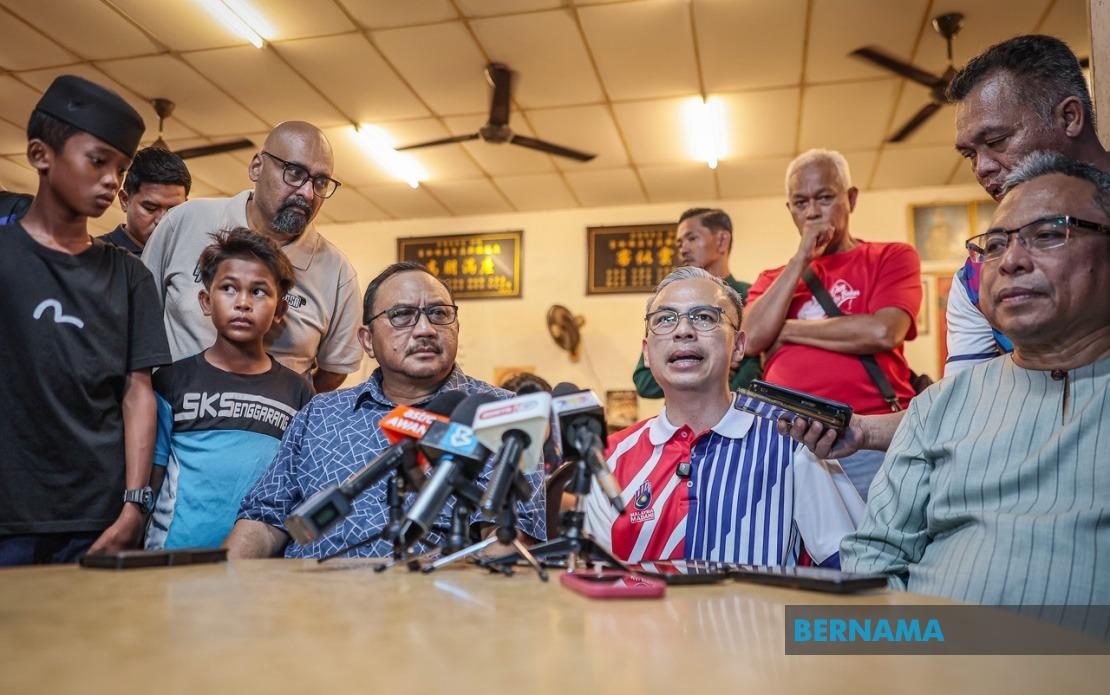
Datuk Fahmi Fadzil, serving dual roles as PH Communications director and Minister of Communications, outlined the reasoning behind this integrated approach during a media briefing in Batu Pahat. He emphasised that reaching all segments of Malaysian society—from traditional voters through community structures to digitally native younger demographics—requires deployment across multiple channels rather than concentration on single platforms. The strategic imperative reflects lessons from recent Malaysian electoral cycles demonstrating that voters increasingly migrate between information sources, necessitating coalitional presence across the communication landscape to prevent message fragmentation or uncontested narrative space for opposition messaging.
PKR's role within this campaign structures the immediate operational response, with the party fielding candidates across 20 contested seats and launching systematic campaign activities immediately following the nomination process completion. Senior party leadership, including PKR deputy president Nurul Izzah Anwar, is being deployed to high-priority constituencies to provide visible senior endorsement and activate ground networks. The party's organisational machinery, built through sustained development in several Malaysian states, provides established volunteer networks and community contacts that form the foundation for door-to-door canvassing and neighbourhood engagement activities essential to sustained grassroots mobilisation.
The communications infrastructure PH is establishing includes an official media group specifically designed to enable rapid information dissemination regarding candidate credentials, policy proposals, and PH positions on state-level issues. This institutional arrangement aims to maintain message discipline while preventing slow response times that historically have allowed opposition narratives to crystallise before coalition rebuttals reach adequate audience segments. In the Malaysian electoral environment, speed of response to emerging political developments often determines whether particular narratives dominate media space and voter perception during critical campaign phases.
Fahmi emphasised PH's commitment to fact-based communication throughout the election period, positioning accurate information distribution as a competitive advantage against potential misinformation and misleading claims. This framing reflects broader concerns within Malaysian political discourse regarding foreign and domestic disinformation campaigns that have intensified during recent electoral cycles. By explicitly committing to factual communication standards, PH is attempting to establish itself as the trustworthy information source within an information environment where voter scepticism toward political messaging remains elevated across multiple constituencies.
The coalition's development narrative emphasises proven cooperation between federal and state administrations in implementing high-impact infrastructure and economic initiatives throughout Johor. Specific projects highlighted include the Rapid Transit System Link and the Johor-Singapore Special Economic Zone, both positioned as demonstration evidence that PH-led governance translates campaign rhetoric into tangible economic benefits affecting voter quality of life. This argument attempts to reframe voter attention toward material outcomes rather than abstract political positioning, suggesting that past PH involvement in these projects should influence electoral calculations regarding Johor's future governance direction.
PH's track record in other Malaysian states—specifically Selangor, Negeri Sembilan, and Penang—features prominently in campaign messaging, with the coalition arguing these governance examples demonstrate sustained capability to deliver administrative competence and development outcomes. This cross-state comparison strategy seeks to inoculate against claims that PH lacks practical governing experience, instead positioning the coalition as proven administrators who have managed complex state operations across different Malaysian jurisdictions with distinguishable economic and social characteristics. For Johor voters evaluating competing visions of state governance, these precedents are intended to provide reassurance regarding PH's organisational capacity and administrative effectiveness.
Specific candidates receive elevated profile within PH's campaign communications, with figures such as Dr Maszlee Malik in Puteri Wangsa and Onn Abu Bakar in Senggarang positioned as exemplars of the quality leadership PH intends to bring to Johor governance structures. These candidate-specific campaigns operate simultaneously with broader coalition messaging, creating multiple entry points through which voters can engage with PH's electoral appeal depending on their primary political concerns and preference for personality-driven versus platform-driven voting considerations.
PH has committed to releasing a comprehensive state-level manifesto during the campaign period, suggesting that detailed policy proposals beyond the immediate campaign messaging framework remain in development. This approach indicates the coalition's intention to present voters with substantive governance platforms addressing Johor-specific policy domains alongside broader national political positioning. The timing of manifesto release—deliberately post-announcement rather than concurrent with campaign commencement—suggests strategic calculation regarding when maximum voter attention and media coverage could amplify platform visibility.
Institutional coordination to address misinformation has engaged multiple Malaysian government agencies, with the Malaysian Communications and Multimedia Commission forming a specialised task force incorporating the Election Commission, Royal Malaysia Police, and Malaysian Media Council. This multi-agency approach indicates state-level institutional concern regarding potential disinformation campaigns during the election period, reflecting experiences from previous Malaysian electoral cycles where unverified claims and misleading narratives spread rapidly through digital channels. By establishing formal monitoring and response mechanisms before campaign intensity escalates, Malaysian authorities are attempting to contain misinformation spread more effectively than historically possible when responses occurred reactively rather than through pre-planned institutional frameworks.
The campaign's integration of community engagement programming, demonstrated through Fahmi's participation in the Hasrat MADANI programme and "wayang pacak" screening of Blood Brothers in Senggarang, illustrates how PH is attempting to embed political messaging within broader community cultural activities rather than restricting engagement to formal political events. This approach seeks to reach voters through familiar social contexts where entertainment and cultural programming create receptive environments for political communication that might generate audience resistance if presented through explicitly political channels.
For Malaysian observers and regional Southeast Asian political analysts, the Johor election represents significant testing ground for hybrid campaign methodologies that may influence strategic approaches in future Malaysian electoral contests. The coalition's deliberate emphasis on fact-based communication and multi-channel outreach suggests evolving recognition that Malaysian voter sophistication and media fragmentation demand increasingly sophisticated campaign coordination and message targeting. Success or failure of PH's integrated approach will likely inform not only future Malaysian electoral campaigns but also provide lessons regarding effective opposition and incumbent positioning in competitive democratic contexts throughout Southeast Asia facing similar information environment challenges and voter behaviour transformations.

