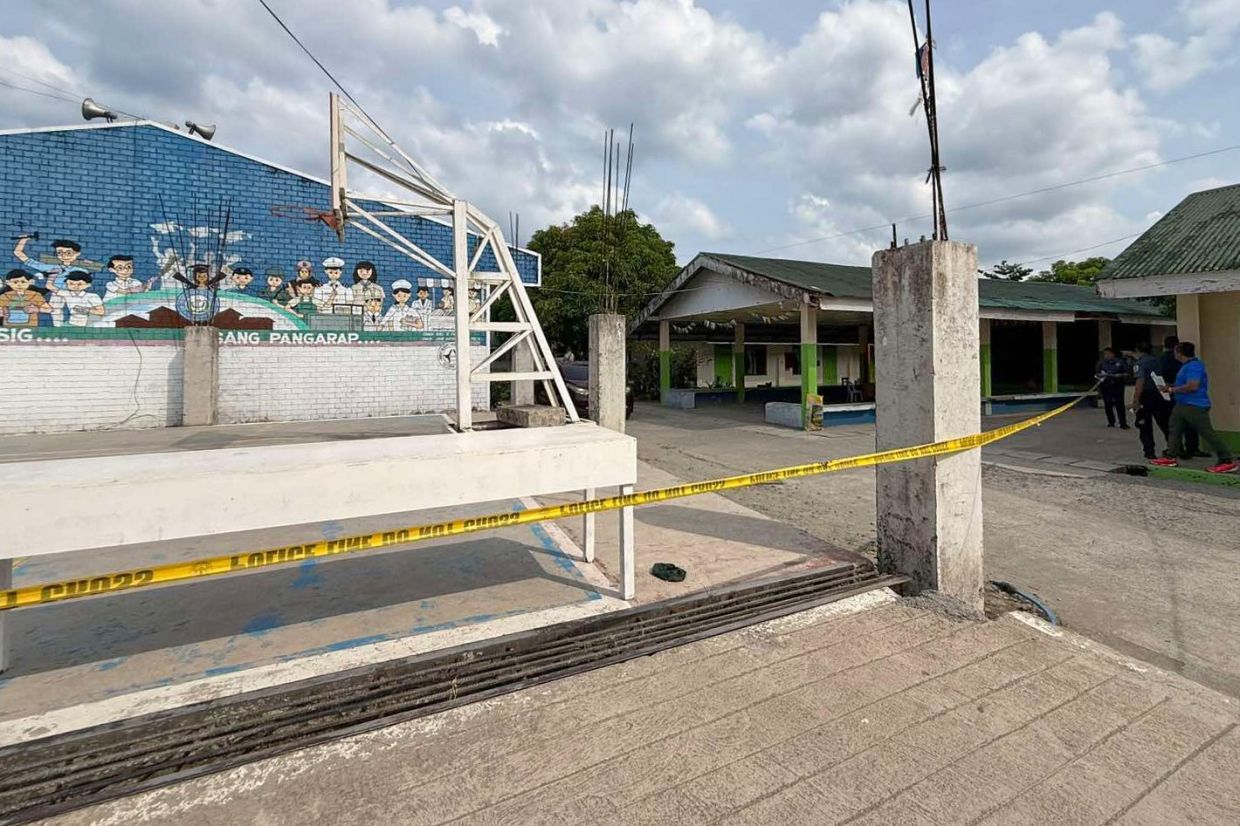
A 14-year-old Filipino student has been detained by Philippine National Police following allegations that she posted threats of violence targeting her school on social media platforms. The Grade 10 student from Tolosa National High School in Leyte was taken into custody after authorities received a tip from Senator Bam Aquino regarding the inflammatory social media messages she had published late Wednesday evening. Interior Secretary Jonvic Remulla disclosed the incident during a press conference at Camp Crame on Thursday, revealing that the PNP's Criminal Investigation and Detection Group had moved swiftly to apprehend the minor.
The threatening posts, recovered before they were deleted, contained explicit warnings of violence directed at the student's classmates and institution. According to Remulla's account of the messages, the perpetrator declared her intent to "disrupt the school" and warned fellow students to "get ready" as "whoever gets shot or stabbed" would be at risk. The posts maintained an anonymous tone, stating "you won't know me, but you will recognise me," and emphasised the unpredictability of any potential attack by declaring "there is no time nor day." The language and specificity of the threats prompted immediate police action, raising serious concerns among school administrators and parents in the region already on edge following a deadly shooting at another educational institution.
Investigators determined that the student had created multiple Facebook accounts to amplify the circulation of her threatening messages across the platform. Through digital forensics and social media analysis, combined with corroborating information provided by concerned individuals within the community, police successfully traced the posts back to the minor. The identity confirmation process underscored the growing challenge authorities face in tracking threats generated through multiple anonymous online accounts, a tactic increasingly common among perpetrators seeking to evade detection while maximising the reach of their messages.
However, the student's legal fate took an unexpected turn following her detention. The PNP transferred her to the Department of Social Welfare and Development, which subsequently released her without formal charges. Under Republic Act No. 9344, known as the Juvenile Justice and Welfare Act, minors below a certain age cannot be prosecuted through the standard criminal justice system, meaning authorities lacked the legal framework to file charges against the adolescent. This legislative protection, designed to prioritise rehabilitation over punishment for young offenders, created a situation where the student was released despite the seriousness of her alleged actions.
When authorities attempted to investigate the minor's motivations and obtain additional details from her family, they encountered resistance and lack of cooperation. Remulla noted that the student herself was hesitant and fearful of the consequences she might face, while her parents actively refused to engage with police investigators from the Tolosa Municipal Police Station. This family resistance complicated the investigation and limited authorities' ability to construct a comprehensive picture of the circumstances that prompted the threatening posts. The lack of parental cooperation also hindered efforts to assess whether the student required psychological support or intervention to address underlying issues.
Following family engagement efforts coordinated through official channels, police assessment shifted toward viewing the threat as effectively neutralised. Investigators found no evidence suggesting the student had developed an organised plan to carry out violence or that others were involved in orchestrating the threats. Critically, neither the minor nor her family members had access to firearms, a factor that substantially reduced the immediate risk profile of the situation. Remulla's statement that "the threat appears to be neutralised and inactive" suggested investigators had concluded the posts reflected emotional distress rather than genuine preparation for violence.
Authorities attributed the student's behaviour to personal and family difficulties rather than ideological motivation or organised intent. Remulla revealed that investigators suspected "personal and family issues" had driven the student to post the threatening messages, indicating that underlying emotional or relational problems within her home environment may have manifested through online aggression. This finding echoes patterns observed in other cases where adolescents resort to threatening behaviour as an outlet for unresolved conflict or psychological distress rather than as a precursor to actual violence.
A particularly significant element emerged during the investigation: the student, like the perpetrators of another recent school shooting, was identified as an avid fan of GoreBox, a violent video game featuring graphic content and gameplay centred around bloodshed and gore. The coincidence prompted authorities to scrutinise the potential influence of extremely violent gaming content on vulnerable adolescents. In response to the apparent connection between the game and multiple incidents of school violence, the Cybercrime Investigation and Coordinating Centre implemented a temporary ban on GoreBox following the Tacloban City shooting that occurred on Monday.
The Tacloban City incident that preceded the Tolosa case and influenced policy responses involved two student perpetrators aged 14 and 15 who opened fire at San Jose National High School. The attack claimed three lives and wounded at least twenty additional students, representing one of the deadliest school shooting incidents in recent Philippine history. The rapid succession of violent school-related incidents—from the deadly Tacloban shooting to the Tolosa student's threatening posts—has intensified public concern about school safety and the psychological factors driving adolescent violence in the country.
The connection between violent video games and school violence threats raises important questions for Malaysian and Southeast Asian policymakers, particularly regarding content regulation and access controls for minors. While video games alone do not cause violence, the case illustrates how vulnerable adolescents experiencing family difficulties or social isolation may be influenced by extremely graphic entertainment content. Schools and communities across the region may need to consider enhanced monitoring of both online behaviour and student wellbeing, particularly in the aftermath of high-profile violent incidents that may inspire copycat threats or actions among impressionable youth.
The Philippine authorities' handling of the case reflects broader challenges facing law enforcement agencies across Southeast Asia in addressing online threats while navigating juvenile justice protections and digital privacy concerns. The speed of detection and response demonstrated by Philippine National Police suggests that social media monitoring and community tip mechanisms can effectively identify credible threats before they escalate. However, the gaps in investigation—stemming from family non-cooperation and limitations imposed by juvenile protection laws—highlight areas where enhanced cross-sector coordination involving schools, families, mental health professionals, and law enforcement may be necessary to address root causes of adolescent violence and prevent future incidents.

