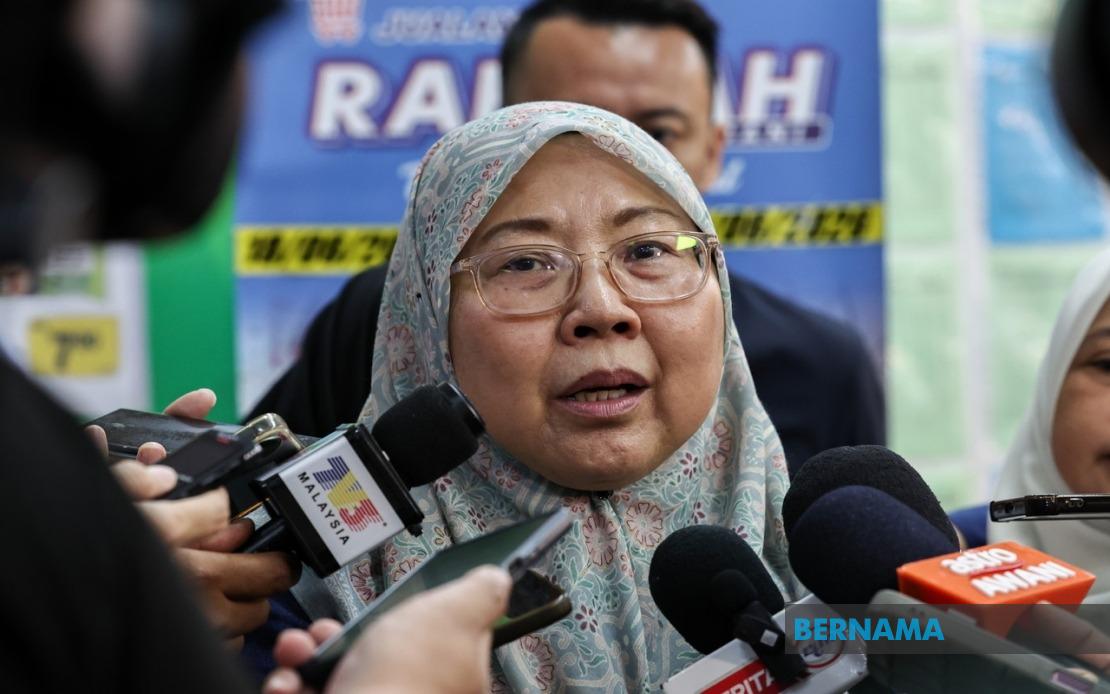
PKR's long process of vetting and selecting candidates for the forthcoming state elections in Johor and Negeri Sembilan has reached its final stages, with party secretary-general Datuk Dr Fuziah Salleh announcing the slate is now 99 per cent finalised. The formal unveiling of the party's chosen representatives is anticipated within days, marking a crucial moment in preparations for two significant electoral contests that will reshape the political landscape across two key Malaysian states.
The party will deploy 20 candidates across Johor's state assembly seats and 16 in Negeri Sembilan, representing a substantial commitment of resources and organisational effort. This distribution reflects the party's assessment of competitive battlegrounds and areas where it believes PKR can mount credible challenges to incumbent administrations. The timing of this announcement, coming ahead of the official nomination deadlines, allows the party machinery time to mobilise grassroots support and build momentum for the electoral campaigns ahead.
A central theme in PKR's candidate strategy centres on blending institutional experience with fresh perspectives. Fuziah emphasised that the party intends to present voters with a combination encompassing established party members alongside newcomers, while deliberately ensuring adequate representation of women and younger politicians. This deliberate composition reflects broader organisational shifts within opposition coalitions across Southeast Asia, where parties increasingly recognise the electoral appeal and policy value of demographic diversity within their parliamentary contingents. The specific proportion of debut candidates will be disclosed at the official announcement, though party insiders suggest this represents a meaningful generational transition rather than wholesale turnover.
The electoral landscape in Johor presents a formidable challenge for PKR and its Pakatan Harapan coalition partners. Prior to the dissolution of the Johor State Legislative Assembly on June 1, the Barisan Nasional dominated with 40 of 56 seats, while Pakatan Harapan controlled only 12 seats, with Perikatan Nasional holding three and independent MUDA member occupying the remainder. The mathematics facing the opposition alliance are daunting: a comprehensive swing in voter sentiment would be required to dislodge the incumbent coalition. Nomination day is scheduled for June 27, with polling set for July 11, compressing the campaign period into roughly two weeks of intensive political activity.
Complications within the opposition coalition structure have emerged around seat allocation disputes, most notably concerning the Puteri Wangsa constituency. Johor Amanah, the state branch of the Islamic social justice party aligned with Pakatan Harapan, has contested PKR's claim to the seat, arguing that the constituency belonged to Amanah historically. PKR contends that the seat was merely loaned to MUDA in the previous 2022 state election and should therefore revert to PKR's control. Rather than resolving this dispute through transparent public negotiation, the coalition leadership has pushed the matter to senior party officials for backroom resolution, a decision that risks creating lingering tensions within the alliance ahead of crucial polling.
Separately, PKR faces internal disciplinary proceedings against Subang Member of Parliament Wong Chen, whose public challenge to party leadership regarding his continued membership has created headlines. Wong Chen controversially invited PKR to expel him following an internal investigation, a confrontational stance that party officials view as insubordination. The party's Disciplinary Board has now assumed responsibility for determining appropriate sanctions, with outcomes potentially ranging from formal censure to suspension of membership privileges. This internal conflict, playing out in public view, carries reputational risks for a party attempting to project unity and purposefulness to voters.
The Negeri Sembilan electoral battleground presents a notably different configuration. That state assembly contains 36 seats, and prior to dissolution on June 5, Pakatan Harapan controlled a plurality with 17 seats, while Barisan Nasional held 14 and Perikatan Nasional five. This distribution suggests greater competitive balance, with potential for coalition gains if voter sentiment shifts sufficiently. The election timetable for Negeri Sembilan extends further into the future, with nominations scheduled for July 18, early voting on July 28, and polling day on August 1. The later date provides PKR and allied parties additional weeks to campaign and consolidate support, potentially advantageous given the compressed Johor schedule.
The strategic implications of these twin elections extend beyond state-level politics to national coalition dynamics. Both contests represent opportunities for Pakatan Harapan to demonstrate that the alliance commands sufficient voter appeal to challenge the long-dominant Barisan Nasional in its traditional strongholds. Conversely, these elections offer risks: disappointing results could accelerate internal coalition fragmentation and embolden critics who argue that the opposition has exhausted its electoral appeal following the 2022 general election. PKR's role as the coalition's largest party places particular pressure on its performance, with the candidate slate reflecting calculations about which representatives can convert this pressure into actual electoral success.
For Malaysian voters in these two states, PKR's candidate announcements warrant close scrutiny regarding not merely demographic composition but substantive policy credentials. Voters confronting issues ranging from housing affordability to industrial development and urban congestion will assess whether PKR's chosen representatives offer credible alternative visions for state governance. The party's balancing act between retaining proven performers and introducing newer voices must ultimately demonstrate that fresh candidates bring genuine policy expertise and local legitimacy rather than functioning as mere symbolic diversity. The formal announcement in coming days will provide voters their first detailed glimpse of these individuals and allow genuine evaluation of the coalition's seriousness regarding governance alternatives.