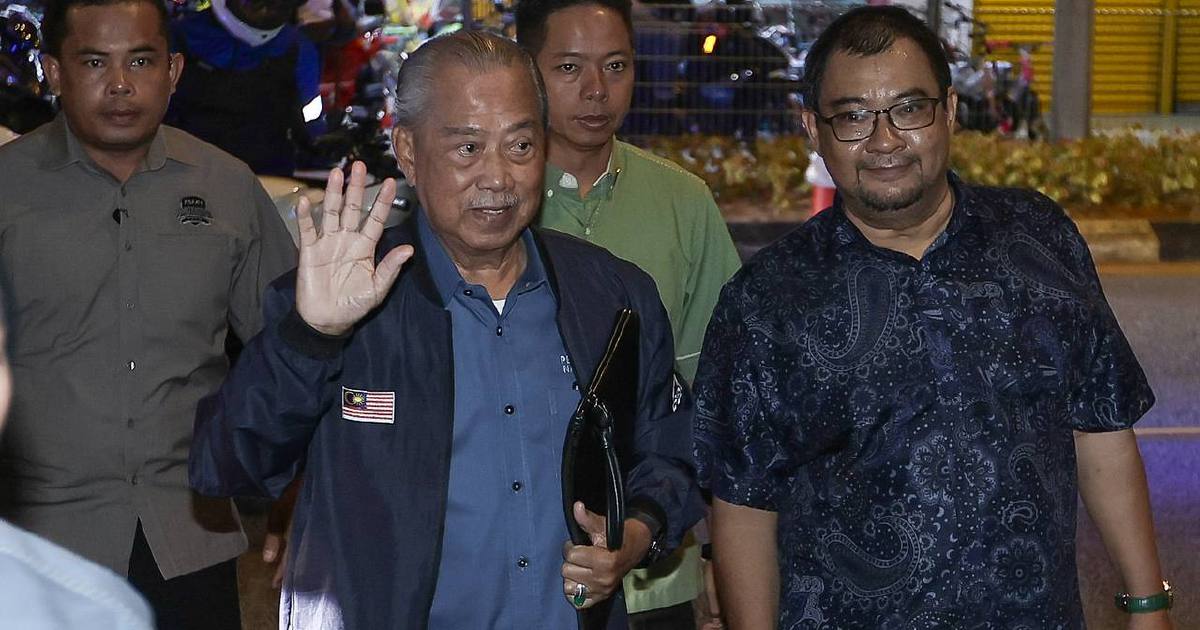
The Perikatan Nasional opposition coalition convened an unscheduled emergency session of its Supreme Council in Kuala Lumpur, with party chairman Muhyiddin Yassin indicating the gathering concentrated on broader coalition strategy rather than the contentious question of Bersatu's place within the bloc. The carefully worded statement reflects the delicate internal dynamics within PN, where questions about the Malay-Muslim oriented coalition's structure have become increasingly fraught.
Since Bersatu's repositioning within Malaysia's political landscape, the party's relationship with other PN components has grown more complicated. The emergency convocation suggests leadership is attempting to manage the coalition's direction and potential expansion without immediately resolving the status of its most prominent member. By focusing discussions on welcoming new entrants to the coalition rather than addressing existing member concerns, PN's top echelon appears to be pursuing a strategy of coalition consolidation over internal reckoning.
The decision to convene the emergency session indicates heightened concerns within the coalition about its relevance in current political circumstances. With Malaysia's political terrain constantly shifting, opposition blocs must continually assess their competitiveness and strategic positioning. PN's leadership evidently believes moving the coalition forward through fresh recruitment offers better optics than relitigating tensions between current partners.
The timing and scope of the emergency meeting carry significance for how regional politics observers view opposition coordination. Malaysia's opposition landscape remains fractured across multiple platforms, including Pakatan Harapan and other groupings. PN's attempt to expand membership while avoiding internal divisive debates suggests a calculation that growth and forward momentum matter more than resolving underlying structural questions about member commitment and alignment.
Muhyiddin's explicit statement that Bersatu's membership status did not come up during deliberations carries interpretive weight. It could signal deliberate agenda-setting by the chair to prevent contentious discussions, or it might indicate genuine consensus among attendees that such questions could wait. Either interpretation suggests PN leadership understands that reopening debates about any member's standing could destabilise the coalition at a moment when external expansion seems more strategically valuable.
For Malaysian observers tracking opposition strategies, the distinction between discussing potential new members versus existing ones reveals calculation about coalition priorities. New recruitment allows for positive messaging and expansion narratives, whereas membership status discussions inevitably involve recriminations and questions about commitment, creating potentially damaging internal publicity.
The coalition's expansion strategy reflects the reality that Malaysia's complex multi-party system rewards political coordination among disparate groups. Rather than viewing PN as a monolithic entity, understanding it requires recognising the various interest groups and personalities within its structure, each with different agendas regarding the opposition's direction and composition.
For regional observers, PN's approach to managing internal tensions while pursuing external growth mirrors broader patterns in Southeast Asian opposition politics. Many regional coalitions attempt to maintain forward momentum through expansion while deferring uncomfortable conversations about member relationships and commitments, betting that growth will eventually render such tensions less relevant.
The implications for Malaysian politics extend beyond PN's internal management. Should the coalition successfully expand membership, it could strengthen opposition representation in Parliament and state assemblies, potentially altering the competitive calculus in the next electoral cycle. Conversely, if unresolved tensions about member commitment eventually explode, such expansion could prove destabilising for the entire bloc.
Muhyiddin's statement ultimately reflects the tight-rope opposition leadership must walk in managing coalitions of convenience. Members join blocs pursuing varied objectives, and keeping such partnerships together requires strategic decisions about which disagreements to confront and which to sidestep. Choosing to discuss expansion rather than Bersatu's status suggests PN's leadership judges that focusing outward offers superior strategic returns compared to confronting internal challenges at this particular moment.

