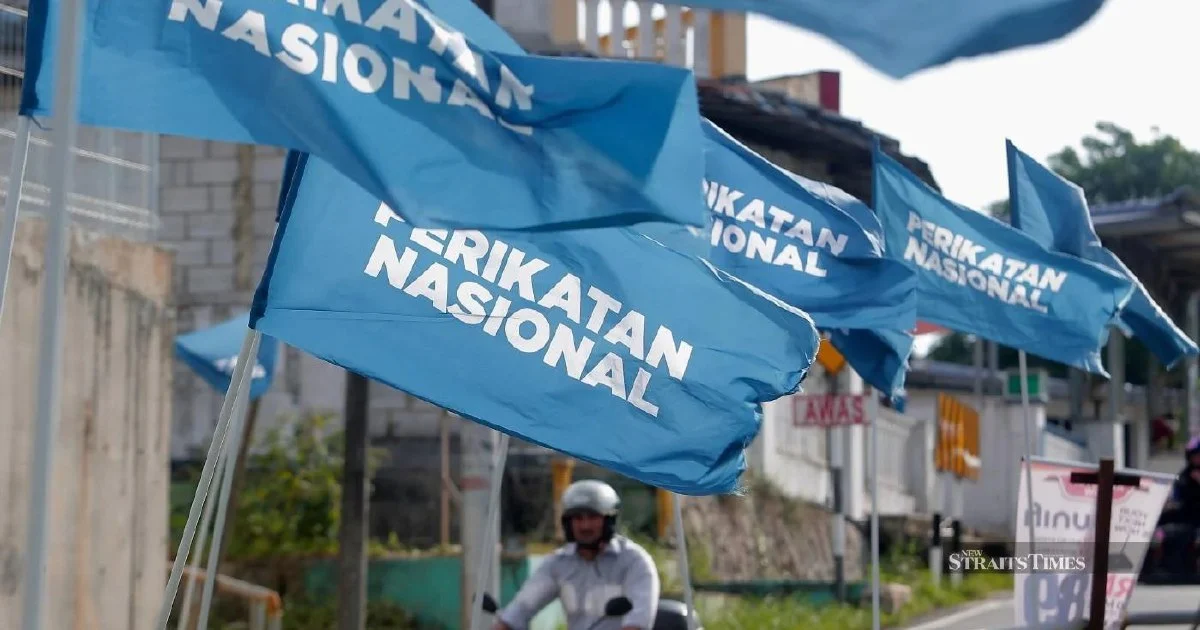
The opposition coalition Perikatan Nasional appears committed to keeping its alliance with Bersatu intact as both parties gear up for upcoming state elections in Johor and Negri Sembilan, according to political observers who track Malaysian electoral dynamics. Strategic considerations and electoral mathematics are driving this calculated approach to coalition management, even as underlying tensions within the grouping persist. Analysts view the maintenance of this partnership as essential to PN's prospects in contests that could significantly reshape the political landscape in two strategically important states.
Coalition stability becomes increasingly important when facing electoral challenges that demand unified messaging and coordinated campaign resources. The proximity of the Johor and Negri Sembilan elections means that any public displays of internal discord could undermine both parties' credibility with voters who are evaluating which coalition would govern most effectively. Deliberately managing these perceptions requires careful political choreography and a willingness to suppress disagreements that might otherwise surface. By maintaining outward cohesion, PN and Bersatu can focus their campaign narratives on competing with Pakatan Harapan rather than managing internal fractures that would distract from their electoral strategy.
The timing of these state contests places particular pressure on coalition discipline. Johor, as Malaysia's second-largest state by population and economic output, carries substantial weight in shaping national political momentum. Negri Sembilan, though smaller, holds symbolic importance as a traditionally competitive state where coalition strength and organizational capacity directly influence outcomes. Victory in either or both contests would signal to voters elsewhere that PN commands genuine grassroots support and electoral machinery. Conversely, losses would invite questions about the coalition's viability and potentially trigger the very internal recriminations that both Bersatu and other PN components are currently working to avoid.
Bersatu's role within this arrangement merits particular scrutiny. As the coalition partner that has faced mounting controversy and internal turbulence, the party benefits considerably from PN's apparent willingness to maintain the partnership. Preserving this relationship allows Bersatu breathing room to regroup organizationally and rehabilitate its public standing without simultaneously managing the additional burden of coalition negotiations or the uncertainty of standing alone. For PN's other components, keeping Bersatu within the fold means retaining access to constituencies where the party retains electoral appeal and volunteer networks that remain operational despite recent setbacks.
The electoral calculus extends beyond simple seat projections. Analysts emphasize that coalition composition influences how candidates are perceived by voters, how campaign messages resonate across different demographic groups, and ultimately which party receives credit for electoral victories. In states where Bersatu historically performed well or maintains organizational presence, the party's participation in the PN campaign could prove decisive in marginal constituencies. Withdrawal of Bersatu or open conflict between coalition partners would forfeit these advantages while potentially activating voter resentment toward instability and political gamesmanship.
Historical precedent informs current calculations about coalition behavior. Malaysian political parties have repeatedly demonstrated that maintaining formal alliances through election cycles often takes priority over resolving internal disputes, which are typically deferred until after ballots are counted. This pattern reflects both pragmatic recognition that divided coalitions rarely defeat unified opponents and the complex dynamics of managing coalition partners whose cooperation is essential but whose loyalty cannot be taken for granted. The approach requires accepting imperfect outcomes in favor of presenting unified candidacies and consolidated campaign machinery.
The regional implications of these elections extend beyond Johor and Negri Sembilan. Success in these contests would strengthen PN's overall positioning and potentially create momentum for future electoral challenges in other states. The coalition's performance also carries implications for how other opposition partners evaluate their allegiances and strategic calculations. States observing these elections will scrutinize both the electoral outcomes and the quality of PN's internal cohesion, drawing conclusions about whether the coalition represents a viable alternative government. This broader scrutiny intensifies the pressure on PN to maintain the appearance of unity and competent governance, making coalition management a crucial element of electoral strategy.
Analysts also note that maintaining coalition unity addresses practical campaign considerations that extend beyond symbolic politics. Shared campaign infrastructure, coordinated volunteer mobilization, and unified media messaging require coalition partners to operate in concert rather than at cross-purposes. When partners attempt to campaign independently or adopt conflicting narratives, the resulting confusion erodes campaign effectiveness and squanders resources that could otherwise be deployed strategically. The electoral window for Johor and Negri Sembilan makes this coordination particularly valuable, as both coalitions compete for the same pool of persuadable voters and undecided constituencies.
The durability of this strategic unity may face challenges if electoral results disappoint PN's expectations. Unsuccessful campaigns often trigger internal recriminations and renewed debates about coalition structure and leadership direction. However, for the immediate pre-election period, PN and Bersatu have apparently determined that presenting a united front serves their mutual interests more effectively than allowing disagreements to surface. This calculated restraint reflects political maturity born from recognizing that coalition partners succeed together or fail separately, making current forbearance an investment in future electoral viability.

