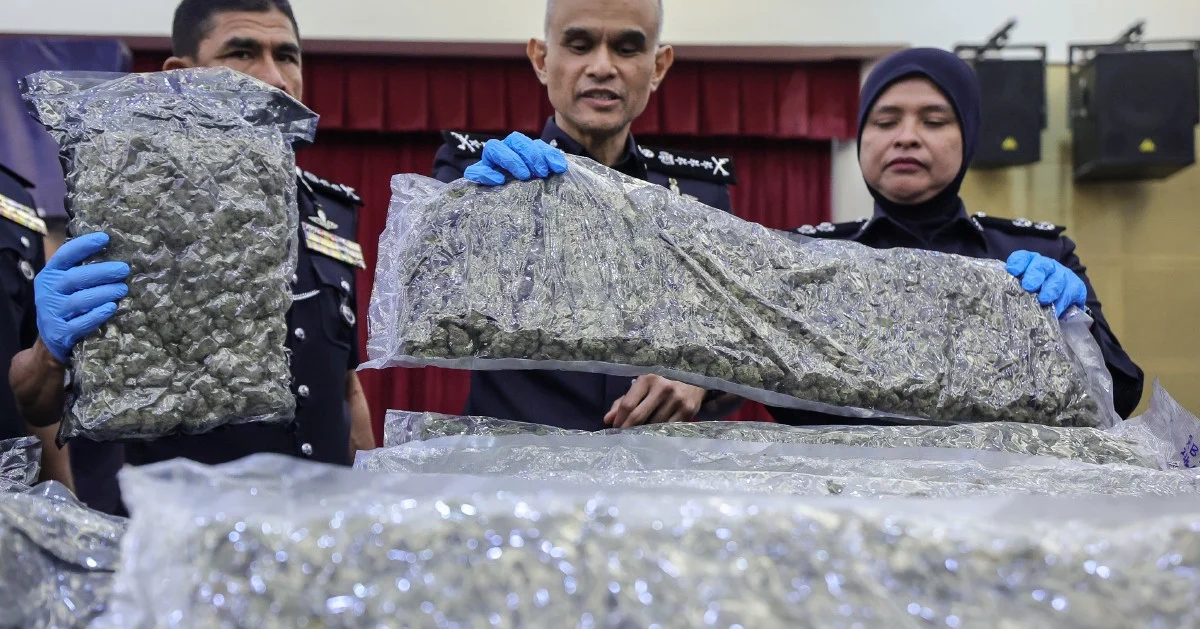
Malaysia's police force has dismantled a significant cannabis trafficking operation at Kuala Lumpur International Airport, uncovering what represents one of the country's largest drug seizures at the nation's primary aviation hub. The operation, which began in January, has resulted in the confiscation of more than 650 kilograms of cannabis buds and the detention of 38 suspects, a substantial number of whom are foreign nationals. The scale of the operation underscores the critical vulnerability of international transit points and highlights the sophisticated methods employed by organised crime networks attempting to move narcotics through Malaysia's borders.
The seizure at KLIA reflects a troubling pattern in Southeast Asia's drug trade, where airports serve as pivotal nodes in global trafficking networks. Cannabis, increasingly available and sought after across the region, has become a commodity of choice for international syndicates. The buds seized represent significant retail value and indicate a well-funded operation with established supply chains. The involvement of foreign nationals in the network suggests coordination across borders, a hallmark of professional trafficking enterprises that exploit Malaysia's position as a regional hub connecting markets in Asia, Europe, and beyond.
Investigators have determined that the 38 individuals arrested operate within a structured hierarchy typical of major drug trafficking organisations. These suspects are believed to have played various roles, from recruitment and logistics to actual courier work and distribution coordination. The inclusion of foreigners in the network is particularly significant, as it indicates the operation's transnational character. Such diversity in the suspect pool often complicates investigations and prosecution, requiring coordination with international law enforcement agencies and navigating complex extradition procedures.
The systematic nature of the bust demonstrates that Malaysian authorities have refined their intelligence-gathering capabilities at KLIA. Modern airport security combines conventional baggage screening with advanced scanning technology and intelligence work. Drug enforcement teams working at the airport maintain constant vigilance, studying patterns of suspicious travel, monitoring shipments flagged by international partners, and analysing behavioural indicators displayed by individuals transiting through the facility. The January start date suggests that police had been monitoring the network for some time before executing coordinated arrests.
For Malaysia, the implications of this seizure extend beyond the immediate criminal investigation. The country has faced increasing pressure from international drug control agencies to tighten border security and reduce its role as a transit point for narcotics destined for markets throughout Asia and beyond. Cannabis seizures have risen nationally in recent years as enforcement efforts intensify and traffickers become bolder in exploiting air freight and passenger luggage routes. This particular operation represents both a success for law enforcement and an indicator of the ongoing struggle against organised crime.
The criminal justice implications for the 38 arrested individuals will depend on their specific roles and the evidence gathered against them. Malaysian drug laws impose severe penalties for trafficking, including lengthy prison sentences and, in aggravated cases involving large quantities, capital punishment. Foreign nationals may face additional complications, including diplomatic considerations and potential complications if they claim to have acted under coercion or deception. The prosecution will need to establish culpability for each individual, which can be complex when dealing with transnational networks where some participants may have limited knowledge of the operation's full scope.
International cooperation remains essential in addressing the cannabis trafficking problem at KLIA. Intelligence sharing with neighbouring countries, particularly Thailand, Singapore, and Indonesia, helps identify courier networks and supply routes before they reach Malaysian territory. Regional law enforcement agencies have increasingly coordinated efforts under frameworks established by the Association of Southeast Asian Nations and bilateral agreements. The Operation at KLIA demonstrates how intelligence from multiple sources can converge to disrupt trafficking networks before substantial quantities enter the local market.
The seizure also highlights vulnerabilities in cargo handling and passenger screening procedures that traffickers actively exploit. While KLIA maintains relatively robust security infrastructure compared to smaller regional airports, determined criminal organisations invest heavily in circumventing controls. They employ sophisticated concealment techniques, recruit insiders, forge documentation, and structure shipments to avoid triggering automated alerts. The 650-kilogram quantity suggests that traffickers had successfully moved significant volumes through the airport previously, making this seizure potentially representative of larger ongoing operations.
For Malaysian society, the cannabis trafficking network represents a multi-dimensional threat. Beyond the direct harm from drug use and addiction, large-scale trafficking operations corrupt officials, fuel violence between rival gangs competing for territory and supply dominance, and generate proceeds that fund other criminal activities including money laundering and extortion. The arrest of 38 individuals disrupts supply chains, but sustained enforcement requires ongoing investigation into higher-level organisers and financial networks that orchestrate these operations from behind the scenes.
Looking forward, this operation underscores the necessity for continued investment in airport security, intelligence capacity, and inter-agency coordination. Malaysian police and customs authorities must remain adaptive as traffickers continually evolve their methods in response to enforcement pressures. Training programmes for airport staff, modernisation of detection equipment, and enhanced intelligence protocols will be critical. The KLIA bust represents a tactical victory, but sustained success against organised drug trafficking demands long-term strategic commitment and resources.

