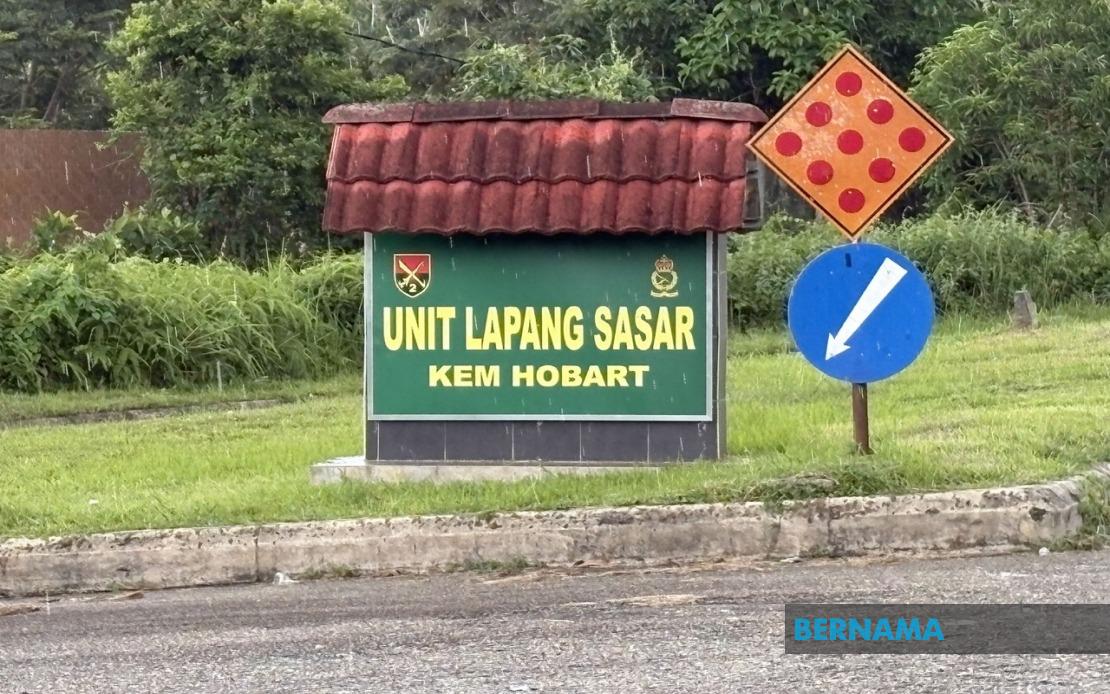
A tragic incident at Hobart Camp in Gurun claimed the lives of two Malaysian Army personnel on Sunday morning, prompting authorities to launch a comprehensive investigation into the circumstances surrounding the explosion. The fatalities occurred during a routine grenade-throwing exercise, raising questions about safety protocols during weapons training conducted by the First Squadron of the Royal Malaysian Engineers Regiment. The incident has drawn immediate scrutiny from law enforcement, with police establishing a formal investigation to determine what went wrong during the Combat Enhancement Training operation.
Kuala Muda police chief ACP Hanyan Ramlan disclosed that investigators would be methodically gathering evidence and testimonies from witnesses present when the blast occurred at approximately 10.57 am. The police department has classified the matter as a sudden death report investigation, a standard procedure when fatalities occur under circumstances requiring clarification. Officials emphasised the importance of securing cooperation from all relevant parties, including military personnel who witnessed the explosion firsthand, to establish a complete and accurate account of events leading up to the tragedy.
The two victims were identified as Corporal Norazmi Abu Bakar, attached to the Sixth Battalion of the Royal Malay Regiment, and Private Siti Khadijah Sungip, assigned to the First Squadron of the Royal Malaysian Engineers Regiment. Both soldiers sustained severe injuries from the blast while participating in the heavy weapons training exercise. They were quickly transported to the Sultan Abdul Halim Hospital in Sungai Petani, but despite medical intervention, neither soldier survived the journey to the facility. Their remains were subsequently transferred to the Sultanah Bahiyah Hospital in Alor Setar for post-mortem examination, a standard procedure in suspicious or unexpected deaths.
The incident reflects ongoing concerns within military training operations across Southeast Asia regarding the balance between rigorous combat preparation and comprehensive safety measures. Grenade-throwing exercises are fundamental components of infantry training worldwide, yet they carry inherent risks that demand strict adherence to established safety protocols. The tragic outcome at Hobart Camp underscores the need for continuous review of training procedures and the importance of maintaining vigilance during weapons instruction, particularly when involving live munitions and explosive devices.
For Malaysian military personnel and their families, incidents of this nature resonate deeply within the defence community and the broader public consciousness. The loss of two young soldiers during what should have been a controlled training environment raises legitimate questions about whether current safety measures are sufficiently robust. Private Siti Khadijah Sungip's death is particularly notable as female service members in the Malaysian Armed Forces continue to take on increasingly demanding roles, including combat-related training traditionally dominated by male personnel. Her participation in such rigorous programmes represents the modernisation of the military, yet also exposes the dangers that all combatants face regardless of gender.
The investigation process will necessarily examine multiple factors that may have contributed to the explosion. These include the condition and handling of the grenades used, whether safety distances between training participants were adequate, the experience level and qualifications of supervising officers, and whether proper pre-exercise safety briefings were conducted. Investigators will also scrutinise weather conditions at the time, the specific training methodology being employed, and whether all prescribed safety equipment was being worn by participants. Each of these elements could prove crucial in understanding how the incident occurred.
The involvement of the Royal Malaysian Engineers Regiment in heavy weapons training highlights the specialised nature of military instruction within Malaysia's defence force. Engineer regiments typically handle explosive devices, demolition work, and related operations requiring advanced technical knowledge and heightened safety awareness. When training within such specialised domains, the margins for error are minimal, and lapses in procedure can swiftly become catastrophic. The fact that this incident occurred within a units focused on engineering and explosive handling makes the investigation particularly significant for military leadership.
As police compile witness statements and forensic evidence, the investigation will gradually piece together the sequence of events that led to the explosion. Statements from fellow soldiers who were present during the exercise will prove invaluable, as they can describe the exact positioning of personnel, the actions taken immediately before the blast, and any unusual circumstances that might have preceded the tragedy. Military officers overseeing the exercise will also provide crucial testimony regarding adherence to established safety protocols and whether any deviations occurred.
The implications of this incident extend beyond the immediate tragedy affecting the two families involved. Military training establishments across Malaysia and the broader region will likely conduct their own safety audits in response, reviewing grenade-throwing procedures and explosive handling protocols at similar facilities. Defence ministries may implement additional safeguards or modify training methodologies to prevent comparable incidents. For soldiers undergoing combat training, the incident serves as a sobering reminder of the tangible dangers inherent in preparing for military operations, even when training occurs on home soil rather than in active conflict zones.
Authorities have indicated that the investigation will be thorough and impartial, with findings expected to provide clarity on whether the explosion resulted from equipment failure, procedural error, or other contributing factors. The outcomes of this investigation will likely influence training protocols across the Malaysian Armed Forces and may inform discussions within military organisations throughout Southeast Asia regarding best practices for safe weapons instruction. Ultimately, the goal of any such investigation extends beyond determining fault to preventing similar tragedies and ensuring that future generations of soldiers can train effectively while minimising unnecessary risks.

