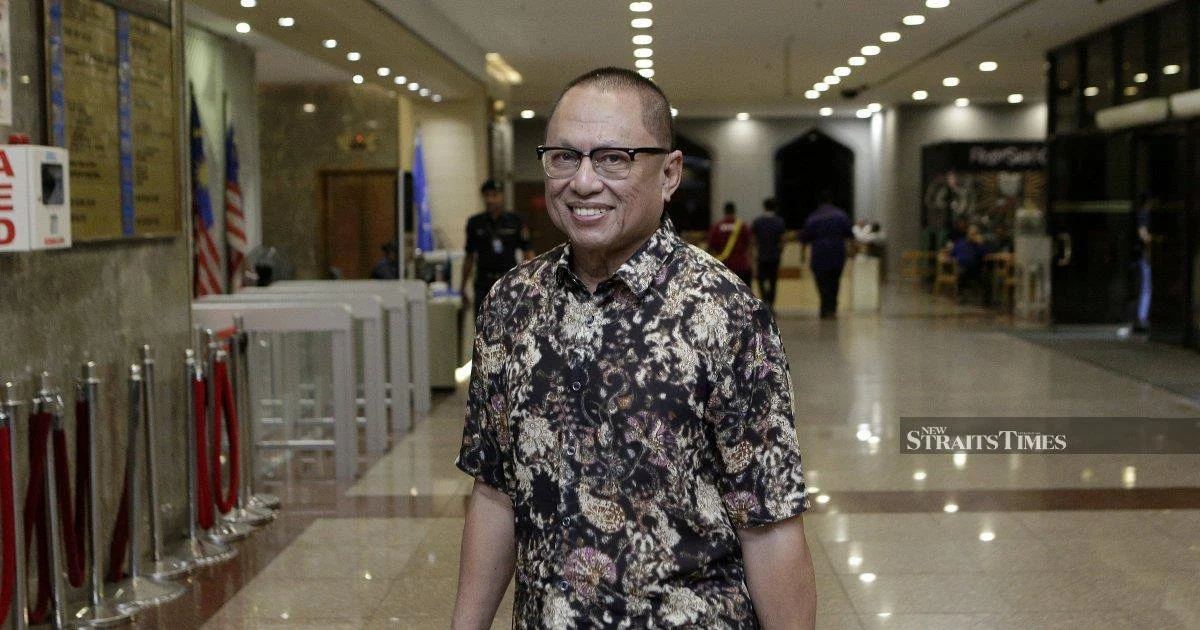
Police have formally launched an investigation into controversial social media comments attributed to former Umno veteran Datuk Dr Mohd Puad Zarkashi, following the filing of 153 police reports across Malaysia. The nationwide response underscores the sensitivity surrounding the politician's remarks and signals growing public concern over the nature of his statements, with law enforcement authorities now examining the matter in earnest.
The scale of police reports filed in a single day reflects the intensity of public reaction and the serious concerns raised regarding Zarkashi's alleged social media activity. The decision by multiple individuals and groups to lodge formal complaints suggests the comments in question touched on matters that resonate deeply with the Malaysian public. This volume of complaints typically triggers a formal investigative response from police, as witnessed in this instance where the Royal Malaysian Police moved swiftly to open a case.
Zarkashi, who has held prominent positions within Umno throughout his political career, commands significant attention given his standing within Malaysia's political establishment. His status as a seasoned party veteran means his public pronouncements carry considerable weight and influence among party members and sympathisers. The controversy surrounding his recent social media engagement therefore carries implications extending beyond mere online discourse into broader political conversations affecting the ruling coalition.
The decision to investigate comments made through social media platforms reflects the evolving nature of political communication in Malaysia and globally. Digital channels have become primary venues for politicians to engage directly with constituents, circumventing traditional media filters. However, this directness also creates potential for statements to spark rapid mobilisation among online communities, as evidenced by the quick compilation of 153 reports filed in response to Zarkashi's alleged remarks.
The investigation will likely examine whether the contested statements contravene existing laws governing political speech, sedition, or other relevant legislation. Authorities will need to determine the exact nature of the comments, their context, and whether they cross legal boundaries. This process typically involves examining the original social media posts, scrutinising the precise wording, and assessing whether they constitute violations under Malaysian law—a task that requires careful interpretation of complex provisions governing political expression in the country.
For Umno and the broader ruling coalition, the controversy presents a delicate situation. The party must navigate between defending one of its veteran members and responding to substantial public concern reflected in the 153 reports. Political parties in Malaysia frequently face scrutiny regarding statements made by their members, and the response from party leadership often sends signals about internal discipline and adherence to coalition protocols. This investigation may therefore influence how Umno calibrates its public positioning and internal management of senior party figures.
The incident highlights broader tensions within Malaysian political discourse concerning the acceptable boundaries of public speech. Different segments of Malaysian society hold differing views on where such boundaries should lie, and controversies like this often expose these divisions. The decision to lodge reports against Zarkashi suggests that substantial sections of the public believe his comments crossed lines they regard as important, though others may view the investigation as a restriction on legitimate political expression.
For Malaysian observers of political dynamics, the case illustrates how traditional notions of political hierarchy and institutional respect interact with modern social media environments where public figures can face rapid grassroots mobilisation against their statements. The 153 reports filed represent an organised or semi-organised response, suggesting coordinated concern rather than isolated complaints. Understanding such mobilisation patterns provides insight into emerging forms of political activism in Malaysia's digital age.
The investigation's trajectory and ultimate conclusions may carry implications for how Malaysian political figures approach social media engagement going forward. If the investigation results in charges or significant consequences for Zarkashi, it may influence whether other politicians exercise greater caution in their online communications. Conversely, if the investigation concludes without substantial findings, it may be interpreted as validation of broader political speech freedoms. Either outcome will likely inform future discussions about the appropriate scope of political expression within Malaysia's democratic framework.
As police proceed with their examination, the case serves as a reminder that political speech in Malaysia operates within legal parameters that differ from some democratic countries with more expansive free speech protections. The investigation into Zarkashi's alleged statements will unfold within this distinctive Malaysian context, where considerations of racial sensitivity, religious respect, sedition law, and internal security blend with democratic principles and political freedoms. The eventual resolution may offer clarity on where authorities draw contemporary boundaries around acceptable political discourse.

