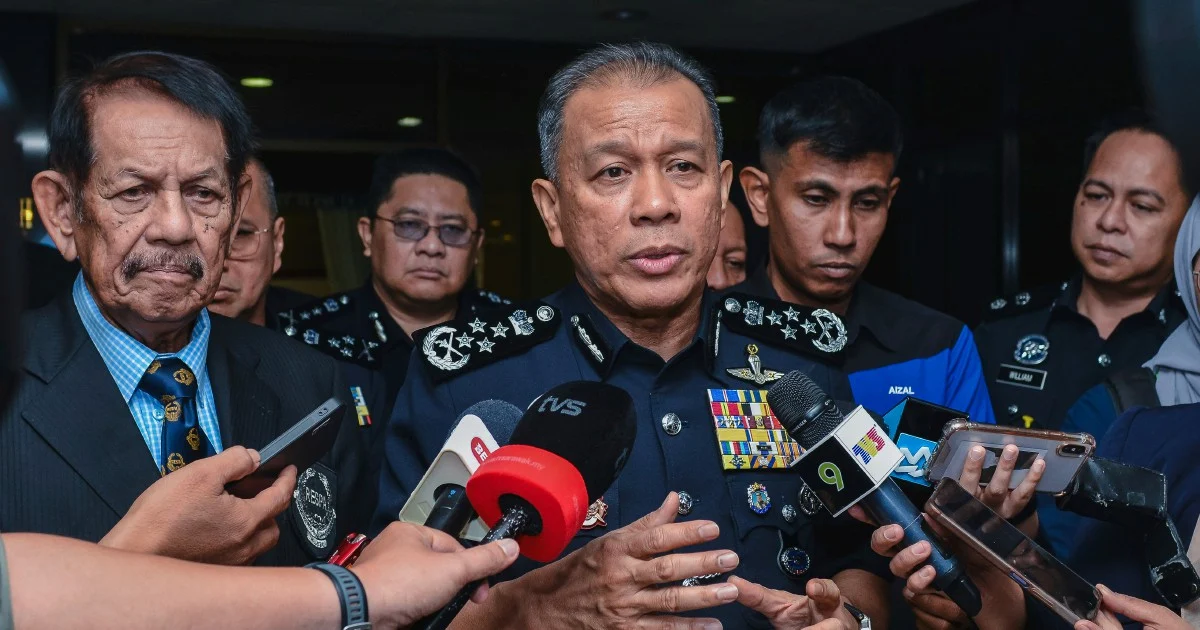
The Royal Malaysia Police has opened formal disciplinary proceedings against one of its members following allegations that emerged in a viral video showing conduct described as disrespectful toward local residents during an overseas trip to China. The investigation was confirmed by senior police leadership as the incident drew scrutiny from both the public and within law enforcement circles, highlighting concerns about the professional standards expected of uniformed personnel representing the nation abroad.
The circumstances surrounding the viral footage have prompted questions about what occurred during the officer's time in China and how such an incident might reflect on Malaysia's international reputation. Videos or images circulating online frequently attract rapid attention in Southeast Asia, particularly when they involve uniformed personnel or allegations of discourteous behaviour. The incident underscores the heightened visibility that public officials now face in an age where smartphones and social media platforms can instantly amplify moments of misconduct to millions of viewers.
Uniformed services across the region have increasingly grappled with managing their public image in digital spaces. The Royal Malaysia Police, as an institution responsible for upholding law and order domestically, also carries an implicit duty to maintain decorum when members operate internationally. Such incidents can potentially strain bilateral relationships or create unfavourable perceptions of Malaysia among foreign populations. The decision to commence disciplinary action signals the force's commitment to addressing breaches of conduct standards internally and demonstrating accountability to the public.
The investigation process within the police force typically involves examining evidence, gathering statements from relevant parties, and determining whether the alleged conduct violated departmental regulations or codes of professional ethics. These proceedings are designed to establish the facts of what transpired, assess the severity of any misconduct, and determine appropriate corrective measures. Depending on findings, outcomes might range from formal warnings or retraining to more serious sanctions, reflecting the gravity of substantiated violations.
For Malaysian personnel working or travelling abroad, whether on official duties or personal leave, there exists an expectation that they conduct themselves as ambassadors of their nation. This is particularly significant for uniformed members whose bearing and behaviour carry symbolic weight. Incidents that gain international visibility through social media can influence how Malaysia is perceived regionally and globally, affecting not only individual officers but potentially the institution's standing and operational relationships with international counterparts.
The viral nature of the video highlights how modern communication technologies have fundamentally altered accountability mechanisms in law enforcement. Prior to social media proliferation, such incidents might have remained localised or less visible. Today, any significant moment—whether or not it represents an isolated incident or systemic issue—can rapidly reach vast audiences, compelling organisations to respond publicly and investigate thoroughly to maintain credibility. This acceleration of accountability represents both a challenge and an opportunity for police forces to demonstrate their commitment to standards.
China remains an important partner for Malaysia across multiple dimensions including trade, investment, security cooperation, and people-to-people exchanges. Negative incidents involving Malaysian personnel in Chinese territory could potentially impact the broader relationship or create friction in bilateral ties, particularly if local residents lodge formal complaints or if the matter attracts media attention in Chinese outlets. Police forces are acutely aware of these diplomatic considerations when incidents abroad gain prominence.
The disciplinary investigation also serves an internal function within the force, reinforcing messaging to all personnel about acceptable standards of conduct. When officers understand that breaches will be investigated and addressed transparently, it reinforces institutional values and professional expectations. This is especially important in building public trust, as communities are more likely to respect law enforcement when they perceive that the institution actively polices its own members and maintains standards of accountability.
Contextually, Malaysia's security forces have regularly faced scrutiny regarding various operational and conduct matters, both domestically and internationally. The Royal Malaysia Police, as the primary law enforcement institution, invests considerable effort in professional development and standards compliance. Individual incidents involving officers abroad must be weighed against the broader institutional track record, though each case warrants its own thorough investigation regardless of past performance.
As the investigation proceeds, its outcome will likely be closely monitored by observers within the force, the public, and potentially international stakeholders. The manner in which the police handle the matter—demonstrating fairness, transparency, and proportionality—will contribute to perceptions of institutional integrity. Should disciplinary measures be implemented, they will send clear signals about the standards the force maintains for its personnel, both within Malaysia and when representing the nation abroad. This particular case illustrates the interconnected nature of individual conduct, institutional reputation, and Malaysia's standing in international contexts.

