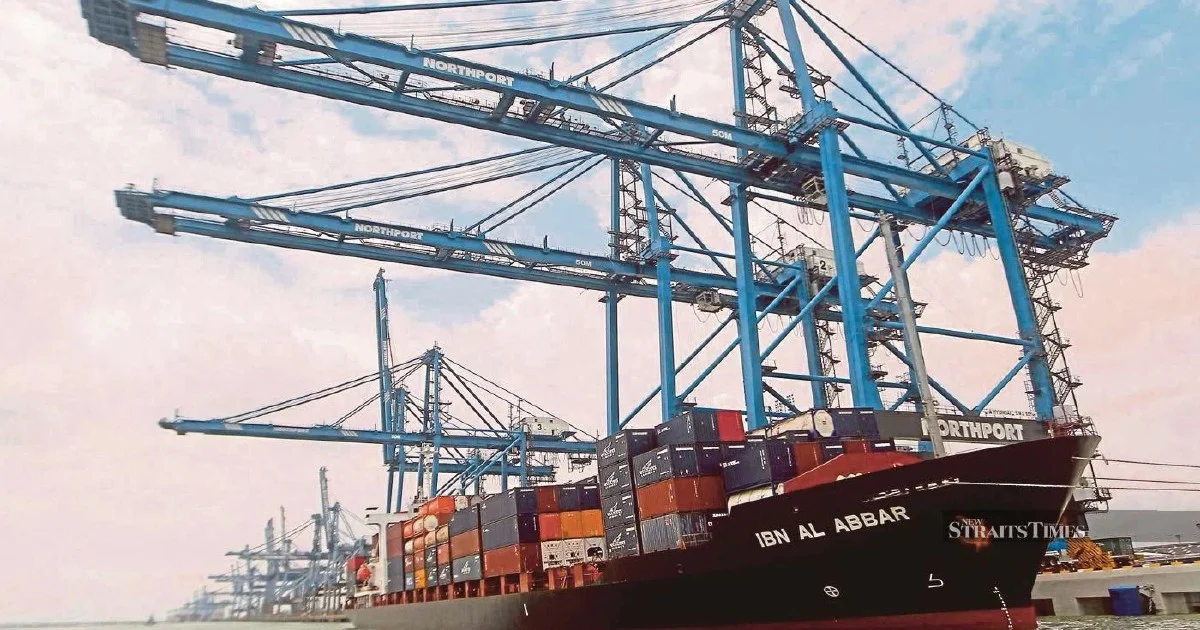
Malaysia's largest container port could enter a new development phase as early as this year, contingent on settling outstanding land disputes with Selangor state authorities. Transport Minister Anthony Loke has signalled that the long-anticipated Port Klang 3 undertaking remains aligned with its development schedule, though its commencement depends fundamentally on resolving territorial matters between federal port operators and regional stakeholders.
The Port Klang 3 initiative represents a significant expansion of the nation's busiest maritime facility, which already handles approximately 45% of Malaysia's container traffic. As regional shipping demands intensify and vessel sizes continue to grow, the additional capacity at Port Klang has become increasingly vital for maintaining Southeast Asia's competitiveness in global trade. The timing of this expansion reflects broader pressures on Malaysian port infrastructure, which faces mounting strain from rising regional and intercontinental commerce.
Land acquisition complications have historically plagued major infrastructure schemes across Malaysia, and Port Klang 3 is no exception. The negotiations between federal authorities overseeing the port and Selangor's state government underscore the ongoing jurisdictional complexities that characterise development projects in Malaysia's most economically productive region. These discussions involve determining precise boundary allocations, compensation frameworks, and regulatory oversight arrangements—technical matters that appear straightforward but often consume considerable bureaucratic resources.
The Port Klang Authority's plans for expansion have gained momentum in recent years as shipping companies increasingly route larger, more efficient vessels through Malaysian ports. Competitors including Singapore and Thailand have aggressively upgraded their terminal facilities, prompting Malaysian policymakers to accelerate domestic enhancements. Port Klang 3 would complement existing facilities and incorporate modern automation and digital systems designed to streamline cargo handling and reduce turnaround times for vessels.
Loke's cautiously optimistic assessment suggests confidence that land impediments can be overcome relatively swiftly. The transport ministry has framed Port Klang 3 as strategically essential for Malaysia's economic agenda, positioning port modernisation as foundational to attracting multinational logistics enterprises and consolidating the country's regional trade hub ambitions. International shipping lines monitoring port capacity constraints across Southeast Asia would likely welcome accelerated timeline confirmation.
The project's financial architecture remains largely undisclosed, though infrastructure experts anticipate substantial capital requirements exceeding several billion ringgit. Port authority expertise, potential government funding mechanisms, and private sector participation through concession agreements are likely components of the financing structure. The eventual contractual arrangements will substantially influence project execution speed and operational efficiency.
Regional supply chain vulnerabilities exposed during recent global disruptions have underscored the strategic importance of robust port infrastructure. Malaysia's geographic positioning along critical East-West shipping corridors makes port efficiency paramount for both domestic exporters and multinational corporations transiting goods through Southeast Asia. Any delays to Port Klang 3 could exacerbate existing capacity bottlenecks during peak trading periods.
The broader implications for Malaysia's maritime sector extend beyond Port Klang itself. Successful expansion of the nation's primary container facility would demonstrate governmental competence in executing complex infrastructure undertakings, potentially unlocking confidence for other major projects languishing in planning stages. Conversely, continued delays would reinforce perceptions of bureaucratic inefficiency that Malaysia's competitors actively exploit in their development narratives.
Port Klang's historical significance to Malaysian commerce cannot be overstated. The facility has evolved from a modest harbour into a world-class container terminal complex, reflecting decades of incremental investments and operational refinements. Port Klang 3 represents the next generation of this evolution, incorporating lessons learned from facilities in Rotterdam, Singapore, and Shanghai whilst maintaining operational synergies with existing infrastructure.
Loke's public commitment to 2024 commencement appears conditional rather than definitive, reflecting uncertainties that typically accompany large infrastructure initiatives. The transport ministry's role as intermediary between federal port authorities and state governments places Loke in a delicate diplomatic position, balancing national development objectives against legitimate provincial interests. His careful language suggests genuine progress in negotiations without guaranteeing definitive timelines.
For Malaysian importers and exporters dependent on efficient port operations, Port Klang 3's advancement carries tangible commercial significance. Improved terminal capacity translates directly into reduced shipping costs and faster cargo clearance, benefits that cascade throughout supply chains and ultimately impact consumer prices. Shipping companies operating services through Port Klang similarly anticipate operational efficiencies that justify vessel deployment decisions.
The resolution of land disputes with Selangor represents a necessary but potentially manageable obstacle. Regional cooperation frameworks have successfully navigated comparable challenges at other major infrastructure sites across Malaysia. If negotiations progress as Loke suggests, Port Klang 3 could meaningfully contribute to Malaysia's logistics competitiveness within the medium term, reinforcing the nation's position as Southeast Asia's premier maritime gateway.

