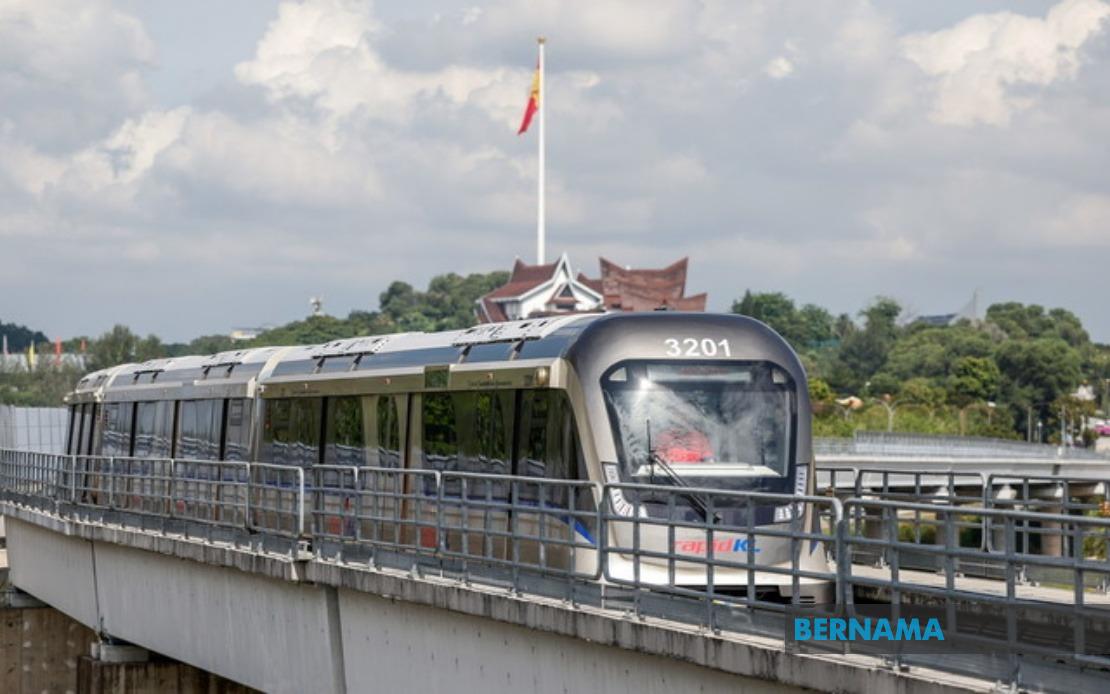
Prime Minister Datuk Seri Anwar Ibrahim will officiate the opening of the Light Rail Transit 3 Shah Alam Line this Sunday, June 28, marking the completion of a major infrastructure project designed to transform urban mobility in the Klang Valley region. The 37.8-kilometre route, stretching from Bandar Utama to Johan Setia, has finished construction and awaits its commercial debut following the ceremonial launch. During the event, the Prime Minister is expected to announce the precise date and time when the public can begin using the service, bringing an end to years of development and testing.
The Shah Alam Line represents a significant expansion of the Klang Valley's rail network, with its 20 stations designed to serve approximately two million residents living and working along the corridor. According to Mohd Ariffin Idris, the line's chief, the new stations include ten stops in the Shah Alam area—Bandar Utama, Kayu Ara, BU 11, Damansara Idaman, Subang, Glenmarie 2, Kerjaya, Stadium Shah Alam, Dato' Menteri, and UiTM Shah Alam—while the remaining ten stations extend through the Klang district. This geographic spread reflects careful planning to maximise accessibility across both established and emerging commercial and residential hubs in the western Klang Valley.
One of the project's most valuable features is its seamless integration with existing rapid transit infrastructure. Commuters will benefit from direct connections to the Kajang Line at Bandar Utama station and to the Kelana Jaya Line at Glenmarie 2, creating a more efficient network that reduces the need for complicated transfers and journey times. This interconnectivity is essential for a region where many workers commute across district boundaries, as it allows passengers to move fluidly between different parts of the metropolitan area without changing transport modes or enduring lengthy waiting periods between services.
Beyond the rail line itself, Prasarana Malaysia Berhad has constructed a comprehensive feeder network to extend the reach of the LRT system into surrounding neighbourhoods. Forty buses operate across thirteen routes with a combined 323 stops, offering a flat fare of RM1 per journey between 6 am and 11:30 pm. In addition, forty-four Rapid On-Demand vans service twenty zones at RM2 per trip during the same operating window. These complementary services address a persistent challenge in public transport systems—the so-called last-mile problem—by ensuring that residents without direct station access can still connect conveniently to the rail network. Prasarana has committed to refining both bus and van routes once the line opens, allowing operators to respond dynamically to actual travel patterns rather than relying solely on projections.
Parking remains a critical consideration for mixed-mode commuting, particularly in suburban areas where many residents still depend on private vehicles for at least part of their journey. The Shah Alam Line will provide 2,300 parking bays across six stations: Kayu Ara, Damansara Idaman, Pasar Besar Klang, Sri Andalas, Bandar Bukit Tinggi, and Johan Setia. This distributed approach allows commuters from across the wider region to drive to convenient parking locations before boarding the train, potentially reducing overall traffic congestion while supporting the financial viability of the rail service through higher passenger volumes.
Prasarana's revenue projections underscore confidence in the line's demand. The operator expects to attract 67,000 daily passengers during its first year of operation, with this figure rising to approximately 117,708 passengers per day within five years. These forecasts suggest that planners anticipate gradual uptake as commuters become familiar with the service and as land-use patterns adapt to the improved connectivity. Should these projections prove accurate, the Shah Alam Line would become a significant contributor to reducing traffic congestion in the already-stressed Klang Valley corridor, while generating revenue streams that support the long-term financial health of the broader rapid transit network.
Environmental sustainability has been woven throughout the project's design and operations. The light rail vehicles themselves are equipped with inverter-based air conditioning systems that consume less energy than conventional cooling technology, reducing both operational costs and greenhouse gas emissions. Station architecture has been similarly thoughtful, with natural airflow maximisation and abundant daylight utilisation cutting reliance on mechanical ventilation and artificial lighting during daytime hours. These design features reflect growing recognition within Malaysian transport planning that infrastructure projects must balance mobility improvements with resource efficiency and environmental stewardship.
Accessibility and inclusivity remain central to the project's implementation. Every station features wheelchair ramps, disability-compliant toilets, and accessible wayfinding, while all trains include reserved seating specifically designated for persons with disabilities. These provisions extend beyond mere compliance with regulations; they reflect a commitment to ensuring that public transport serves the entire community, including elderly residents and those with mobility challenges. By prioritising universal design principles, the Shah Alam Line sets a standard that should inform future transport developments across Malaysia.
The project's scope extends beyond the currently completed sections. Mohd Ariffin confirmed that reconstruction work on five additional stations—Tropicana, Raja Muda, Temasya, Bukit Raja, and Bandar Botanik—will commence by year's end. This phased approach allows the operator to bring the main line into revenue service while concurrently upgrading these locations, ensuring that improvements to the network continue to expand outward. Once these stations are rebuilt and operational, the overall system will offer even greater coverage and connectivity across the Klang Valley region.
For Malaysian commuters and urban planners, the Shah Alam Line represents a long-awaited expansion of rapid transit capacity in one of the country's most congested metropolitan areas. The service addresses a critical gap in the existing network, connecting communities that previously relied heavily on personal vehicles for mobility. The integration of feeder buses and on-demand vans demonstrates a systems-level approach to transport planning, recognising that rail lines function most effectively when embedded within comprehensive, multi-modal networks. As Southeast Asia grapples with urbanisation pressures and traffic congestion, the Shah Alam Line offers a template for how public investment in transit infrastructure can enhance livability while supporting sustainable economic growth.

