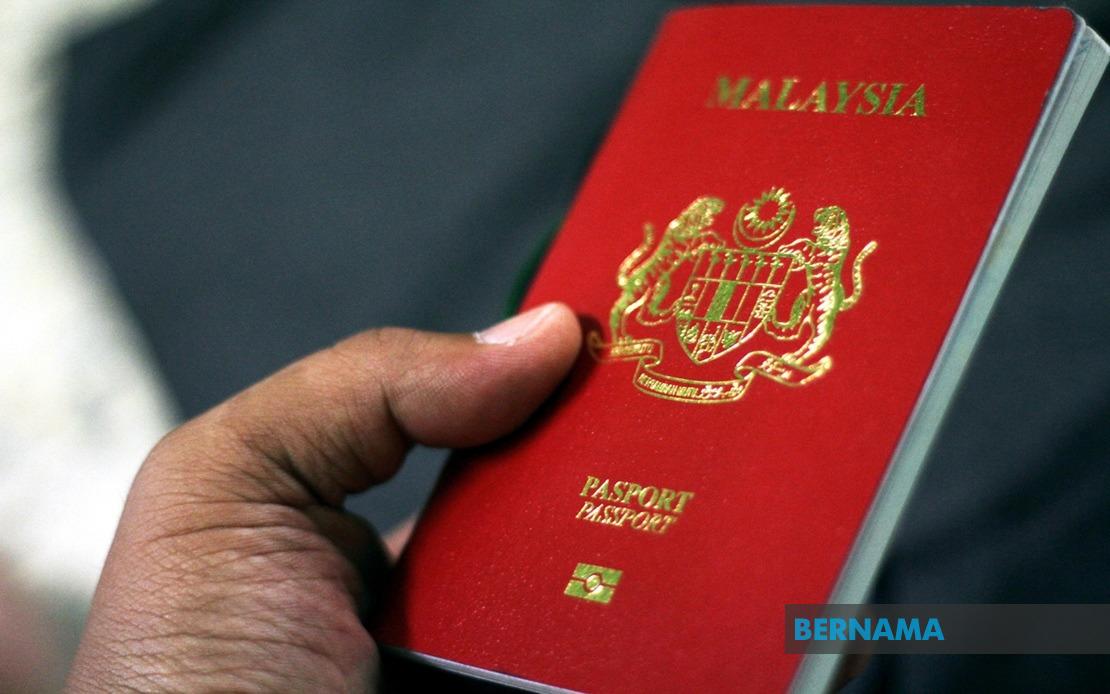
Prime Minister Datuk Seri Anwar Ibrahim will formally introduce Malaysia's enhanced International Passport at Parliament tomorrow, marking a significant advancement in the nation's efforts to safeguard identity documents against forgery and fraud. The new travel document incorporates 94 distinct security features, nearly double the 49 protective elements found in the current version, reflecting the government's commitment to maintaining rigorous document integrity standards.
The modernised passport represents more than routine administrative updating; it signals Malaysia's broader strategy to strengthen national security infrastructure while keeping pace with international standards for identity verification. As travel and border security concerns intensify globally, nations continuously innovate their document designs to stay ahead of sophisticated counterfeiting operations. Malaysia's approach aligns this modernisation effort with its standing as one of the world's most credible and secure travel credentials.
Among the technological upgrades incorporated into the new design are advanced holographic elements that shift appearance when viewed from different angles, making unauthorised replication substantially more difficult. Ultraviolet printing capabilities have been integrated throughout the document, allowing border officials and verification systems to quickly authenticate legitimacy through specialised scanning equipment. These additions work in concert to create multiple layers of verification that physical inspection alone cannot compromise.
The security enhancements extend beyond surface-level visual elements. Hidden visual features embedded within pages remain invisible under normal lighting conditions but reveal themselves under specific wavelengths, providing covert authentication mechanisms that require specialised knowledge to detect. Several forensic security features have been engineered into the design, enabling laboratory-level verification when documents face serious scrutiny or when fraud is suspected. These technical measures address sophisticated counterfeiting techniques that exploit weaknesses in older passport designs.
Structural improvements have been applied to traditionally overlooked elements. The binding thread that holds the passport booklet together has been redesigned with enhanced security properties, preventing simple deconstruction and reassembly of pages. Each page now features a unique layout pattern, eliminating the possibility of substituting authentic pages from older passports or mixing legitimate and forged pages within a single document. This approach makes the entire booklet a unified security object rather than a collection of potentially interchangeable components.
Home Minister Datuk Seri Saifuddin Nasution Ismail previously announced that comprehensive identity document redesigns would extend beyond passports to include the MyKad, Malaysia's multipurpose national identity card. This coordinated upgrade across identity documents reflects a systemic approach to data security, ensuring that Malaysia's entire identity infrastructure operates at equivalent security levels. The synchronised modernisation prevents vulnerabilities from emerging across different document types that criminals might exploit through comparative weaknesses.
Malaysia's International Passport currently ranks as the world's third most powerful travel document according to the Passport Index 2025 rankings, a distinction based on visa-free or visa-on-arrival access to numerous countries globally. This elevated standing reflects the international community's confidence in Malaysian identity documentation and the diplomatic relationships Malaysia has cultivated. The security enhancements announced tomorrow further reinforce this reputation, demonstrating that Malaysia continues investing in credential credibility at a time when document integrity carries significant geopolitical implications.
The timing of this launch carries practical implications for millions of Malaysian citizens and regular travellers. Existing passport holders will not face immediate mandatory replacement, though new applications and renewals will eventually incorporate the enhanced design. This gradual transition approach prevents administrative bottlenecks while allowing the national immigration system to phase in the new technology across its processing infrastructure. Citizens planning international travel should anticipate that within several years, the new design will become standard across the Malaysian population.
From a regional perspective, Malaysia's proactive approach to document security complements broader Southeast Asian efforts to strengthen border management and document verification standards. As member states of ASEAN navigate increasingly complex international security requirements and visa policy frameworks, robust identity credentials become essential infrastructure for facilitating legitimate cross-border movement while preventing fraudulent travel. Malaysia's upgrade contributes to elevating security standards across the region and demonstrates technological commitment to international travel security protocols.
The security features embedded in the new passport also reflect technological collaboration with international security specialists and document manufacturers who remain at the forefront of anti-counterfeiting innovation. Such partnerships ensure that Malaysian documents incorporate globally recognised best practices while addressing threats specific to regional travel patterns and document fraud trends. This collaborative approach validates Malaysia's passport design against international benchmarks while maintaining uniquely Malaysian security elements.
Beyond travel facilitation, the enhanced passport design carries symbolic importance as an expression of national sovereignty and technological capability. The investment in sophisticated security measures demonstrates Malaysia's commitment to protecting citizen identity and preventing the misuse of Malaysian credentials in international contexts. As digital identity verification systems become increasingly integrated with physical document authentication, maintaining trustworthy travel documents becomes essential to Malaysia's standing in the global community and its role as a secure international player.

