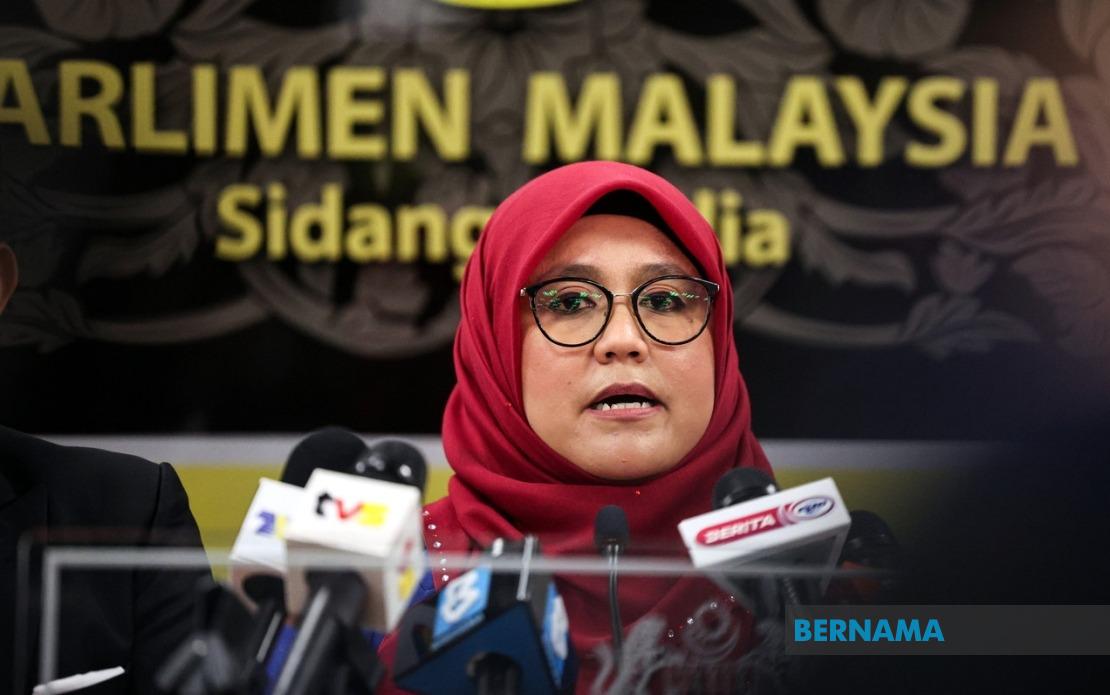
The Public Accounts Committee (PAC) has delivered a comprehensive investigation into Malaysia's rising health insurance costs, pinpointing an unexpected culprit: not the fees doctors charge for their services, but rather the multitude of ancillary charges imposed by private hospitals. According to PAC chairman Datuk Mas Ermieyati Samsudin, who presented the findings through Kapar MP Dr Halimah Ali in the Dewan Rakyat on June 25, the real pressure on insurance premiums comes from uncontrolled charges covering everything from medical supplies and pharmaceuticals to diagnostic testing and laboratory procedures.
The distinction revealed by the PAC investigation is significant for understanding Malaysia's healthcare cost inflation. Doctors' professional fees have been subject to regulatory oversight since 2013, creating a ceiling on what practitioners can charge for their expertise and services. This regulatory framework, however, does not extend to the broader ecosystem of healthcare delivery. Non-professional charges—encompassing medical supplies, equipment, medicines, and diagnostic tests—remain largely unregulated, allowing hospitals considerable latitude in setting their own pricing. This asymmetry has created an environment where hospitals can freely increase costs in areas where there is minimal oversight or scrutiny.
Beyond the absence of price controls, the PAC identified several structural factors contributing to inflated hospital charges. These include the rising costs of deploying advanced medical technology, increasing operational expenses at private facilities related to labour and utilities, and the growing expenses associated with litigation and defensive medicine practices. When hospitals face these mounting operating costs, they frequently absorb them into the charges for medicines and medical services rather than itemising them separately, making it difficult for patients and insurers to understand what drives the final bills they receive.
A critical finding concerns the lack of standardised billing practices across private hospitals nationwide. This absence of uniform billing structures has created an opaque landscape where identical procedures or items may be priced differently depending on the facility. The opacity extends to how costs are categorised and presented, making it nearly impossible for patients or insurance companies to benchmark prices or identify outliers. The PAC specifically noted that high medicine prices are frequently used as a vehicle to subsidise operating costs that hospitals prefer not to disclose separately, such as nursing services and utility expenses. This bundling obscures the true cost composition of healthcare delivery.
The committee uncovered disturbing instances of unbundling, where hospitals disaggregate basic items and charge for them separately despite convention. Clinical waste disposal, pillowcases, and alcohol swabs—items that would typically be absorbed into standard room charges or basic service fees—were found to be billed as separate line items at some facilities. This practice effectively multiplies the number of billable units and increases overall charges without necessarily improving the quality or scope of care provided. Beyond unbundling, the PAC documented systematic price discrimination, where patients utilising guarantee letters (GLs) from insurance companies were charged at substantially higher rates than those paying directly from their own pockets or using pay-and-claim mechanisms.
The pharmaceutical supply chain emerged from the investigation as another significant source of cost inflation. The PAC identified substantial mark-ups at various stages of medicine distribution and revealed an alarming anomaly: instances where generic medicines were priced higher than their branded, innovator-drug counterparts. This counterintuitive pricing distortion occurs partly because Malaysia has over 1,500 registered medicines with only a single manufacturer, eliminating competition and allowing monopolistic pricing practices. Without alternative suppliers to encourage price competition, pharmaceutical companies can maintain or increase prices without risk of market pressure, a structural deficiency that compounds healthcare costs throughout the system.
To address these multifaceted challenges, the PAC submitted 17 recommendations to the government, with several targeting the regulatory gaps identified in the investigation. Among the most significant recommendations is the expedited implementation of the Diagnosis-Related Group (DRG) payment system, a methodology designed to standardise hospital billing and make charges more transparent and comparable across institutions. The committee also proposed amending legislation to expand regulatory authority beyond doctors' professional fees to encompass the broader range of hospital charges. Additionally, the PAC called for joint action between the Ministry of Health (MOH) and the Ministry of Domestic Trade and Cost of Living (KPDN) to establish price regulation mechanisms for medicines and medical equipment, with particular emphasis on exploring direct procurement from manufacturers, especially local producers, to reduce dependencies on suppliers and cartels that may inflate prices.
Another key recommendation involved amending the Private Healthcare Facilities and Services Act 1998 (Act 586) to grant the MOH explicit powers to regulate private hospital service charges beyond the current scope limited to professional fees. This legislative change would provide the regulatory infrastructure necessary to address the structural problems the PAC identified, though it would represent a significant expansion of government oversight into private sector operations. The proposals reflect recognition that market forces alone have failed to constrain healthcare costs and that intervention is necessary to protect consumers from escalating burdens.
The PAC's findings generated substantial parliamentary discussion, with 12 members from both government and opposition benches contributing to the debate. These lawmakers called for tighter regulatory controls on private hospital charges and medicine prices, enhanced transparency requirements for insurance companies, and acceleration of the DRG payment system rollout. Several MPs advocated for strengthened cooperation between the MOH, Bank Negara Malaysia (BNM), and other stakeholders to coordinate responses to medical cost inflation, recognising that no single agency can effectively address the problem in isolation. The broad cross-party support for regulatory intervention suggests growing political consensus that the current laissez-faire approach to private healthcare pricing is unsustainable.
Parliamentarians also advanced proposals extending beyond the PAC's recommendations, including calls for increased public healthcare system investment to reduce reliance on private facilities, comprehensive review of insurance-sector legislation, and consideration of a temporary freeze on fee increases at university hospitals pending development of alternative capacity. Some MPs advocated for higher taxation on private hospitals generating substantial revenues from medical tourism, proposing that facilities profiting from international patients should contribute more substantially to addressing domestic healthcare accessibility challenges. These broader proposals reflect concerns that rising costs are creating a two-tiered healthcare system where only affluent Malaysians can afford comprehensive private coverage.
For Malaysian readers and insurers, the PAC's analysis carries immediate practical implications. Health insurance premium increases are likely to persist as long as the underlying cost drivers at private hospitals remain uncontrolled. The investigation demonstrates that simply managing doctors' fees, the one component already subject to regulation, cannot contain overall healthcare inflation. The regulatory void surrounding non-professional charges has allowed hospitals to shift and expand costs, offsetting any discipline imposed on professional fees. Without legislative and administrative action to implement the PAC's recommendations—particularly the DRG system and expansion of regulatory authority—Malaysian households should expect continued pressure on insurance affordability, potentially pricing more citizens out of private healthcare coverage and increasing demand on already-strained public health facilities.

