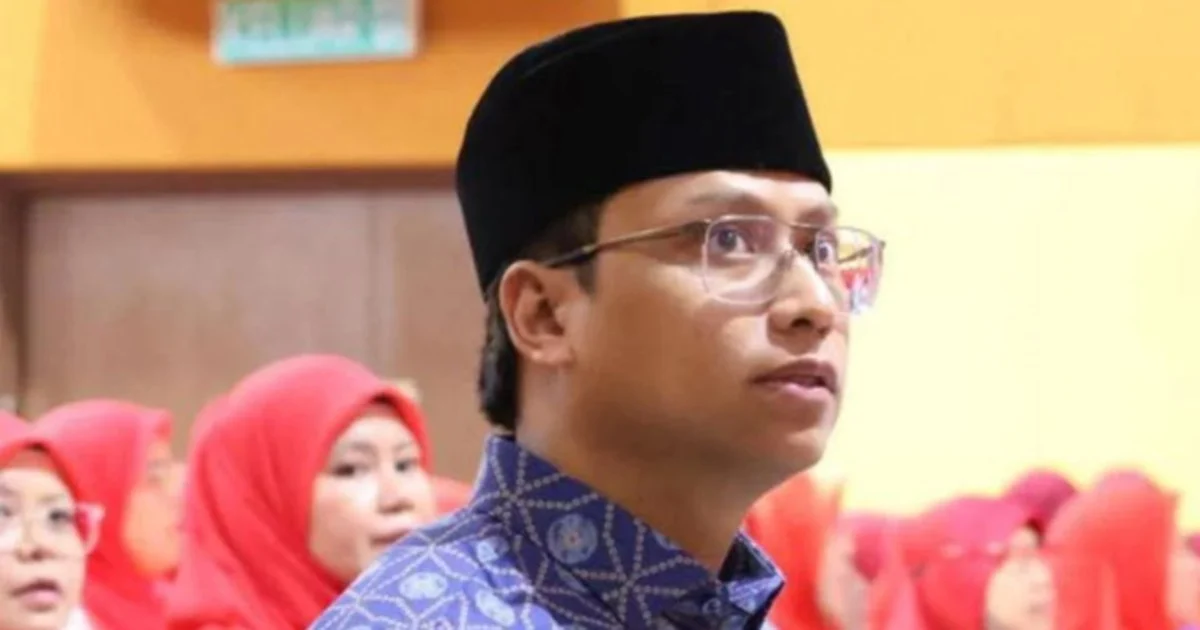
The family of a prominent former Umno figure has mounted a public defence of his recent commentary on the party's strategic direction, framing his statements as a sincere attempt to steer Malaysia's dominant Malay-Muslim political organisation back on course. Datuk Dr Mohd Puad Zarkashi's son articulated this position in Kuala Lumpur, emphasising that his father's observations, which apparently stirred internal party tensions, stem from genuine concern rather than malice or political opportunism.
The defence represents a notable intervention in what appears to be a broader conversation about Umno's institutional health and ideological positioning. In Malaysian politics, such family-level public endorsements carry particular weight, as they signal conviction beyond mere individual dissent and suggest deeper generational alignment on party matters. The son's willingness to speak publicly underscores the seriousness with which the family regards the criticisms, transforming what might otherwise be dismissed as internal grumbling into a more substantive commentary on party trajectory.
Umno's internal dynamics have long been subject to competing visions about its future, particularly following electoral setbacks and shifts in Malaysia's political landscape. The party has traditionally served as the backbone of Malay-Muslim political representation for decades, but recent years have seen it navigate complex challenges ranging from leadership succession disputes to evolving voter demographics and generational expectations. Such scrutiny from respected former office-holders like Datuk Dr Mohd Puad Zarkashi, who held a seat on the party's Supreme Council, carries particular resonance within party circles.
The invocation of historical judgment in the son's remarks suggests a longer-term perspective on the party's evolution. Rather than focusing on immediate political consequences or reputational damage from the criticism, this framing positions the remarks as part of an enduring narrative about what Umno ought to represent and how its leadership should conduct party affairs. This approach aligns with a broader Malaysian political tradition in which senior figures justify unpopular positions by appealing to future vindication and historical precedent.
Within Southeast Asia's context, Umno's fortunes hold implications beyond Malaysia's borders. As a party that has shaped regional politics for generations and maintains connections across Malay-Muslim networks throughout the region, its internal stability and directional clarity influence the broader political climate. Debates about party direction therefore resonate not only among Malaysia's electorate but also among observers across the region concerned with the stability and orientation of major political actors.
The generational angle introduces another layer of complexity. The son's public backing of his father's critiques may reflect a younger generation's assessment of Umno's contemporary relevance and adaptability. Malaysian politics has increasingly become a space where younger voters and emerging leaders question traditional party orthodoxy, and family-level disagreements on such matters can signal deeper fault lines about modernisation, institutional reform, and the party's social base.
Defences of such internal criticism often hinge on distinguishing between loyalty and accountability. By framing the father's remarks as undertaken in service to the party rather than in opposition to it, the son attempts to neutralise accusations of disloyalty or sabotage. This rhetorical move is consequential in Malaysian political culture, where questioning party direction can be construed as treachery, yet where senior figures occasionally argue that genuine commitment sometimes demands uncomfortable truths.
The timing of such public defences matters significantly. If the remarks emerged during a period of party uncertainty or leadership transition, the son's intervention may provide cover for other party members contemplating similar positions. Conversely, if the party remains firmly controlled by a particular faction, the defence might be seen as quixotic or even provocative, inviting retaliation against the family.
Umno's relationship with public criticism from within its ranks remains complex. The party has historically maintained strict hierarchical discipline, yet it has also occasionally benefited from strategic criticisms that prompted self-examination and course corrections. Whether Datuk Dr Mohd Puad Zarkashi's remarks fall into the latter category depends partly on the receptiveness of current party leadership and the broader membership to internal voices advocating change.
For Malaysian observers, the controversy highlights enduring questions about democratic practice within political parties themselves. How much internal dissent should be tolerated? When does criticism of party direction cross into disloyalty? These questions have shaped Malaysian politics for decades and continue to surface whenever senior figures challenge prevailing orthodoxy. The son's public support suggests the family believes these questions merit serious engagement rather than dismissal.
Looking forward, the defence may influence how party members calculate the costs and benefits of public criticism. If the family faces retaliation, others might conclude that speaking out carries unacceptable risks. If the remarks gain traction and shape internal conversations, the precedent encourages further candid discussion. The son's intervention thus becomes a small but significant moment in Umno's ongoing negotiation with its own institutional identity and the boundaries of acceptable internal discourse.

