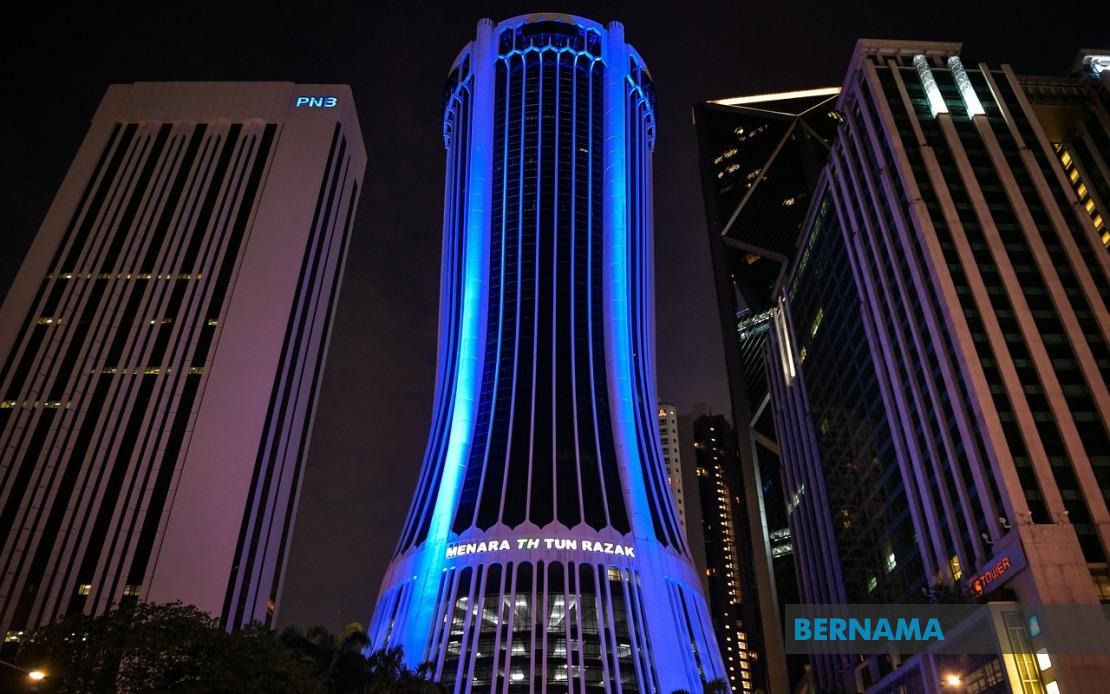
The Royal Commission of Inquiry investigating Tabung Haji's administration has singled out 14 investment transactions for detailed forensic examination, citing material asset write-downs that merit closer inspection. The commission's findings, presented to the Yang di-Pertuan Agong in August 2022, centre on decisions made between 2014 and 2020 that resulted in impairments at Malaysia's pilgrimage and savings institution. The flagged investments span plantation ventures, real estate developments, marine operations, and equity stakes in major corporations, painting a picture of a fund that expanded into diverse and complex asset classes with varying degrees of success. Chaired by Tun Md Raus Sharif, the inquiry panel expressed concern that several of these positions merit independent and rigorous re-examination to establish the reasoning, governance controls, and outcomes associated with each transaction.
The 14 entities identified include PT TH Indo Plantations, Emrail Sdn Bhd, Wellspring Worldwide Ltd, Deru Semangat Sdn Bhd, Trurich Resources Sdn Bhd, Abraj Sdn Bhd, Putrajaya Perdana Bhd, Al-Rawda Real Estates Development & Project Management Co Ltd, Alfareeda Residential Fund, TH Plantations Bhd, TH Properties Sdn Bhd, Alam Maritim Resources and its TH Marine subsidiary, TH Hotel & Residences Sdn Bhd, and FGV Bhd. The breadth of this roster reveals a fund that pursued aggressive diversification into property, agriculture, hospitality, and maritime sectors. For Malaysian depositors—predominantly lower and middle-income households saving specifically for the Islamic pilgrimage—these investment decisions directly influenced the returns credited to their accounts and the erosion of purchasing power over time. The commission's recommendation for forensic audits signals that standard financial reviews may be insufficient and that specialist investigators should examine whether proper due diligence, risk assessments, and valuation methodologies were applied.
Beyond identifying problem investments, the RCI has directed authorities to act decisively on misconduct allegations and to streamline Tabung Haji's internal disciplinary framework. The commission stressed that investigations into alleged wrongdoing must be pursued with urgency and transparency, recognising that organisational credibility depends on swift, visible accountability. The fund's suspension procedures for staff members have come under scrutiny for being protracted and opaque, potentially allowing junior employees to bear consequences while senior decision-makers escape scrutiny. The RCI has urged management to tighten and accelerate these processes to reinforce public confidence that breaches are treated seriously at all levels.
A critical structural recommendation concerns the separation of Tabung Haji's investment and pilgrimage management functions. The RCI argues that while both operations should remain within a single legal entity, investment activities should be housed in a distinct, independently managed department potentially branded as "Dana Haji." This unit would operate under Securities Commission Malaysia oversight and adhere to professional standards applicable to fund managers. The existing arrangement, whereby haj-related funds subsidise investment activities and vice versa, has muddied accountability and created conflicts of interest. By establishing a dedicated investment arm with transparent governance, the commission believes Tabung Haji can restore investor trust and prevent operational confusion that may have contributed to earlier losses.
The RCI further counselled Tabung Haji to steer clear of high-risk ventures, particularly those justified as "strategic investments" that may serve broader policy objectives at the expense of depositor returns. This guidance addresses a structural tension in Malaysian Islamic financial institutions, where government-linked funds are sometimes expected to support nation-building goals alongside their fiduciary duties to members. The commission's view is that Tabung Haji's primary obligation is to safeguard and grow the savings of millions of Malaysian Muslims, and that strategic priorities should not override prudent investment discipline.
Among the RCI's most alarming findings is the precarious situation surrounding Urusharta Jamaah Sdn Bhd, a vehicle created to absorb problematic Tabung Haji assets. In 2008, the government orchestrated the transfer of RM19.9 billion in Tabung Haji assets to UJSB, despite their market valuation at only RM9.7 billion—a RM10.2 billion premium that reflected neither intrinsic value nor market conditions. In return, UJSB issued three tranches of sukuk to Tabung Haji: RM10 billion in Series 1, RM9.6 billion in Series 2, and RM300 million in cash. This arrangement effectively converted underwater investments into debt obligations of a private entity with no underlying revenue stream, creating a ticking financial time bomb.
Income from UJSB sukuk now represents nearly 26 percent of Tabung Haji's annual revenue and more than one-third of distributions to depositors. This concentration of income dependency on a single, weakly capitalised counterparty poses extraordinary systemic risk. Should UJSB falter in servicing its sukuk obligations—which appear increasingly likely given the entity's inability to generate adequate returns on overvalued assets—Tabung Haji's capacity to meet depositor claims would be severely compromised. The ripple effects would extend beyond the fund itself: a Tabung Haji crisis could precipitate broader loss of confidence in Islamic financial instruments and endanger Malaysia's standing as a global Islamic finance hub.
The RCI has urged the government to allocate RM1.73 billion annually to retire UJSB sukuk ahead of schedule, thereby reducing Tabung Haji's exposure and improving the fund's long-term solvency. The Cabinet had previously agreed to this arrangement, yet implementation has been inconsistent. The commission's stark language about systemic financial risk reflects growing alarm that piecemeal measures may be insufficient. Meanwhile, UJSB is negotiating with the Ministry of Finance for a government guarantee on new sukuk issuance, a move that would formalise public sector responsibility for rescuing an entity created to shield Tabung Haji from loss. For Malaysian taxpayers and the broader financial sector, this scenario illustrates how poor asset management decisions at one institution can eventually impose costs across the entire economy.
The RCI's recommendations carry particular weight because they reflect an independent investigation into governance failures spanning a critical period of institutional mismanagement. The commission's findings validate concerns long raised by critics and depositors who questioned how Tabung Haji's reserves were depleted despite strong deposit inflows. By naming specific investments and entities, the RCI has created a blueprint for accountability and reform. Implementation of these recommendations—particularly the forensic audits, the structural reorganisation of investment functions, and accelerated UJSB sukuk redemption—will serve as a test of the government's commitment to protecting the savings of Malaysia's Muslim majority and preventing future institutional failures that could destabilise the broader financial system.

