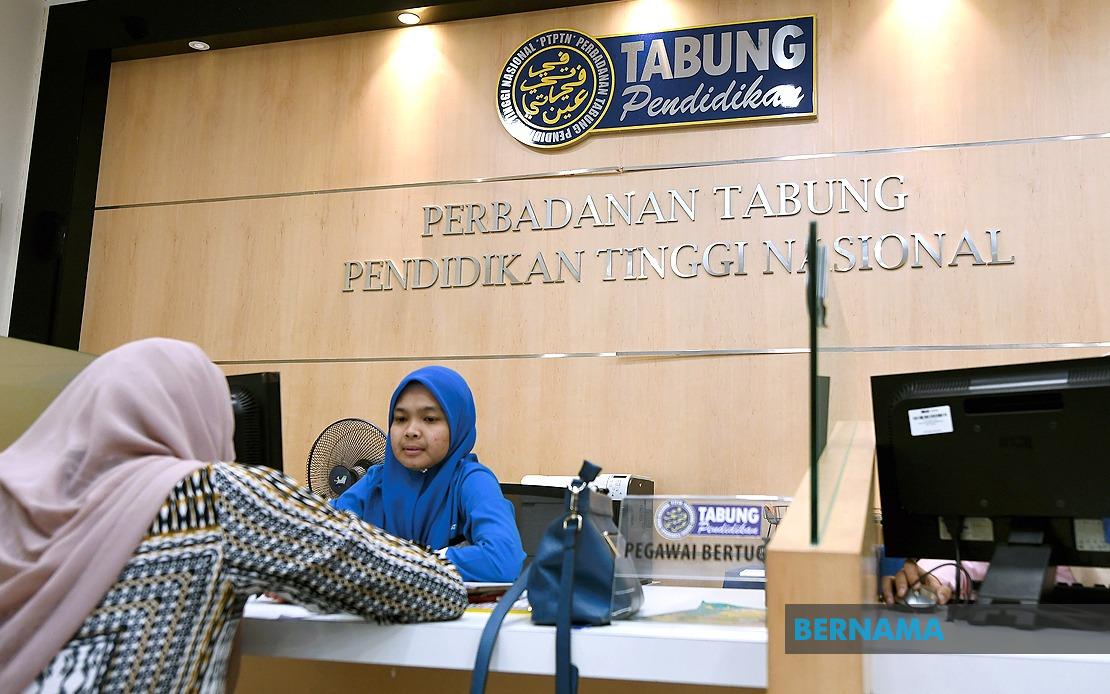
A comprehensive Royal Commission of Inquiry into Lembaga Tabung Haji (Tabung Haji or TH) has recommended granting the Haj Affairs Committee formal statutory status under the Tabung Haji Act 1995 (Act 535), a move intended to strengthen governance over Malaysia's annual pilgrimage operations. The RCI report, which was declassified by the Cabinet and released publicly in late July, represents a significant restructuring of how the nation manages its hajj administrative framework following years of institutional upheaval within the fund.
The background to this recommendation reflects recent institutional turbulence. The Haj Affairs Committee was initially created as an interim mechanism to oversee pilgrimage operations after the Haj Advisory Council was formally dissolved in 2018. That dissolution followed the repeal of the Tabung Haji Board Act 1969 (Act 8), which fundamentally restructured how the organisation was regulated. Since then, the Haj Affairs Committee has operated without explicit legal grounding, functioning instead as an administrative body lacking the formal authority that statutory status would provide. The RCI's proposal directly addresses this gap, recognising that given the centrality of hajj administration to Tabung Haji's mission, the committee requires solid legislative foundations.
Central to the Commission's reasoning is the argument that hajj management forms the bedrock of Tabung Haji's operational mandate. Without a statutory framework, the committee lacks enforceable powers and formal accountability mechanisms. By codifying the committee within Act 535, the RCI contends that Malaysia would establish clear lines of authority while creating explicit expectations for committee performance and conduct. This approach aligns with international best practices in fund governance, where bodies handling citizen savings and pilgrimage arrangements require transparent legal standing.
The proposed mandate extends considerably beyond current informal practice. The RCI envisioned the Haj Affairs Committee serving as a formal advisor to the Minister in the Prime Minister's Department (Religious Affairs) on all policies and strategic planning related to hajj matters. Beyond advisory functions, the committee would deliberate substantive issues affecting pilgrim welfare and safety, provide critical feedback to Tabung Haji's senior management on operational matters, and recommend concrete improvements to hajj service delivery. This expanded scope transforms the committee from a passive administrative convenience into an active governance body with meaningful responsibilities for quality assurance and continuous improvement.
The Commission also specified a particular organizational structure designed to ensure balanced representation and relevant expertise. The Chairman of the Tabung Haji Board would head the committee, providing direct linkage between the fund's strategic leadership and hajj operations. Membership would include the Director-General of the Department of Islamic Development Malaysia (JAKIM), the Director-General of the Department of Waqf, Zakat and Haj (JAWHAR), officials from both the Ministry of Foreign Affairs and Ministry of Health, and three additional members appointed by the Religious Affairs Minister. This composition reflects the multi-dimensional nature of hajj administration, which involves religious oversight, fiscal management, international coordination, and public health considerations.
The RCI recognised that effective governance requires proper procedural guardrails. The Commission therefore recommended that Act 535 be amended to incorporate standard provisions governing the committee's operations. These provisions would address quorum requirements, meeting procedures, voting protocols, chairmanship succession, the handling of vacancies, disqualification criteria, and conflict-of-interest disclosure protocols. By embedding these details in legislation rather than leaving them to administrative discretion, the RCI sought to ensure consistency, transparency, and protection against arbitrary decision-making.
Compensation for committee members also featured in the recommendations. The RCI proposed that members receive honoraria, travelling allowances, and subsistence allowances calibrated according to standards set by the Tabung Haji Board itself. This provision addresses a practical challenge facing voluntary oversight bodies in Malaysia: attracting qualified professionals to serve on committees handling matters of national religious and financial importance. Appropriate compensation reflects the time commitment and expertise expected from members, particularly those drawn from government agencies who may otherwise prioritise their primary departmental duties.
The RCI's 211-page report examined Tabung Haji's management and operations across the critical 2014 to 2020 period, a span encompassing years of significant institutional stress and reform. Communications Minister and MADANI Government spokesperson Datuk Seri Fahmi Fadzil announced that the Cabinet had approved declassifying the report to allow public scrutiny. This transparency decision signals government confidence in the RCI's findings and willingness to engage Malaysian citizens in discussion about how pilgrimage administration should be structured going forward.
For Malaysian pilgrims, these recommendations carry tangible implications. A statutory Haj Affairs Committee with enhanced powers would theoretically translate into more rigorous oversight of Tabung Haji's pilgrim services, from pre-departure arrangements through on-ground support in Makkah and Madinah. The committee's explicit responsibility to deliberate on pilgrim welfare issues and recommend operational improvements could result in faster response times to problems, more systematic collection of feedback, and more accountable service standards. The involvement of the Health Ministry representative addresses growing international concerns about disease management and medical preparedness for large-scale pilgrimages.
Regionally, Malaysia's approach may influence how other Southeast Asian nations with significant Muslim populations structure their hajj governance. Singapore, Indonesia, and Brunei all manage comparable pilgrim flows to Saudi Arabia, and the RCI's emphasis on statutory frameworks and multi-agency coordination reflects evolving international standards for pilgrim welfare and fund transparency. Malaysia's willingness to examine and reform its own institutions publicly may encourage similar institutional review elsewhere in the region.
The path forward requires legislative action. The recommendations remain proposals until the government drafts amendments to the Tabung Haji Act 1995 and guides them through parliamentary approval. While the Cabinet has endorsed declassification of the report, formal endorsement of the specific recommendations would typically follow a consultation period. Religious affairs stakeholders, the finance sector, and pilgrimage-focused civil society organisations will likely provide input during legislative drafting, potentially refining the detailed structure that ultimately emerges.

