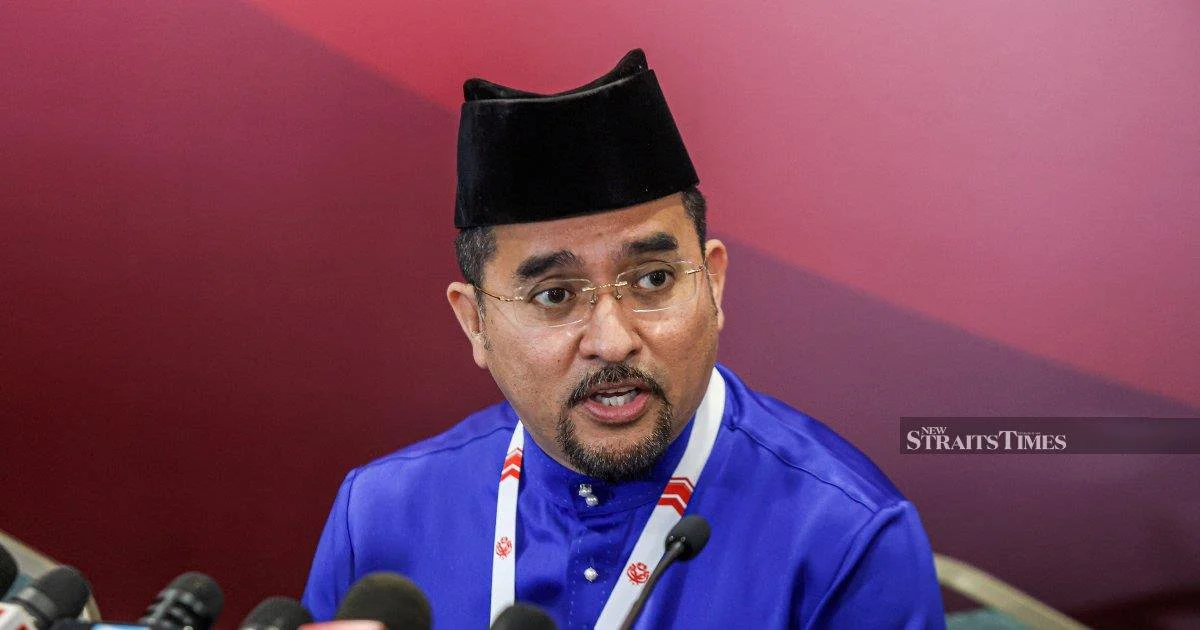
The Barisan Nasional coalition's postponement in unveiling its slate of candidates for Johor's state election was driven by an exhaustive verification procedure designed to ensure the calibre of those selected to represent the coalition, Umno secretary-general Datuk Dr Asyraf Wajdi Dusuki disclosed in Kuala Lumpur. The extended timeline for finalising the candidate list reflected the coalition's determination to apply rigorous scrutiny across all prospective nominees rather than rush through the selection process.
The vetting mechanism employed by Barisan Nasional operates as a multi-layered assessment framework that evaluates candidates across numerous dimensions beyond their political standing. This approach involves examining candidates' professional credentials, financial transparency, personal conduct records, and their capacity to serve constituent interests effectively. By subjecting hopefuls to this stringent evaluation, the coalition aims to minimise reputational risks and establish a cohort of representatives capable of delivering tangible benefits to voters.
For Malaysian political observers, this explanation underscores a broader tension within electoral politics: the pressure to announce candidates swiftly to demonstrate momentum and maintain media narrative control, weighed against the institutional responsibility to prevent unqualified or problematic figures from receiving party endorsement. The Johor election represents a crucial battleground for Barisan Nasional, which has worked to rebuild its standing following electoral setbacks in previous cycles. A candidate list marred by controversy or perceived weaknesses could undermine the coalition's electoral prospects before campaigning even commences.
Johor holds particular strategic significance within Malaysian politics as a longtime Umno-Barisan Nasional stronghold and a state with considerable economic and demographic weight. The outcome of this election carries implications extending beyond the state legislature, affecting the coalition's overall momentum heading into potential federal political developments. Consequently, the coalition's leadership evidently concluded that investing additional time in thorough candidate evaluation served the broader political objective.
The decision to prioritise comprehensive vetting also reflects lessons learned from previous electoral cycles when hastily selected candidates became liabilities during campaigns. Media investigations into personal scandals, financial improprieties, or inconsistent policy positions have historically damaged coalition campaigns. By implementing rigorous screening beforehand, Barisan Nasional leadership seeks to preempt such complications and present candidates who can withstand public scrutiny.
Umno, as the coalition's dominant component, bears particular responsibility for candidate quality given its historical role as the primary governing party in Malaysia. The party's leadership has increasingly emphasised the importance of integrity and merit-based selection, partly in response to public expectations for improved standards of governance following recent electoral experiences. Asyraf Wajdi's public articulation of this vetting rationale serves to communicate that the coalition takes candidate selection seriously and will not compromise standards for expediency.
From a strategic communications perspective, framing the delay as evidence of diligent process rather than organisational difficulty represents a deliberate effort to transform a potential narrative vulnerability into a positive attribute. This messaging strategy attempts to position Barisan Nasional as an institution capable of self-correction and serious governance, qualities voters increasingly demand regardless of party affiliation.
The extended vetting process also provides opportunity for intra-coalition negotiations, particularly between Umno and its partner parties within Barisan Nasional. Coalition politics frequently involve distributing candidacies across multiple parties, balancing factional interests within parties, and negotiating seat allocations. The additional time enables these complex negotiations to reach acceptable conclusions without apparent haste or public disagreement.
For opposition parties, a delayed announcement presents both challenge and opportunity. The extended period generates speculation and media coverage that opposition parties can potentially exploit by promoting alternative candidates or messaging. Conversely, once candidates are finally announced, opposition researchers have less preparation time to develop comprehensive campaigns against specific opponents.
The Malaysian electorate's increasingly critical evaluation of candidate credentials has transformed candidate selection from a purely internal party exercise into a factor affecting electoral calculations. Voters now routinely investigate candidates' backgrounds, professional experience, and public statements before making voting decisions. This elevated scrutiny has pushed all major coalitions and parties toward more defensive vetting processes as a form of risk management.
Regionally, the Barisan Nasional experience with candidate selection reflects broader patterns observed across Southeast Asia where established coalitions face pressure to demonstrate institutional resilience and improved governance standards. The rigor applied to evaluating prospective representatives signals to voters that the coalition takes its governing responsibility seriously.
As the Johor campaign eventually commences with its complete slate unveiled, observers will assess whether the extended vetting process produces demonstrably stronger candidates capable of resonating with voters. The coalition's implicit argument—that patience in selection produces superior electoral outcomes—will ultimately be tested at the ballot box.

