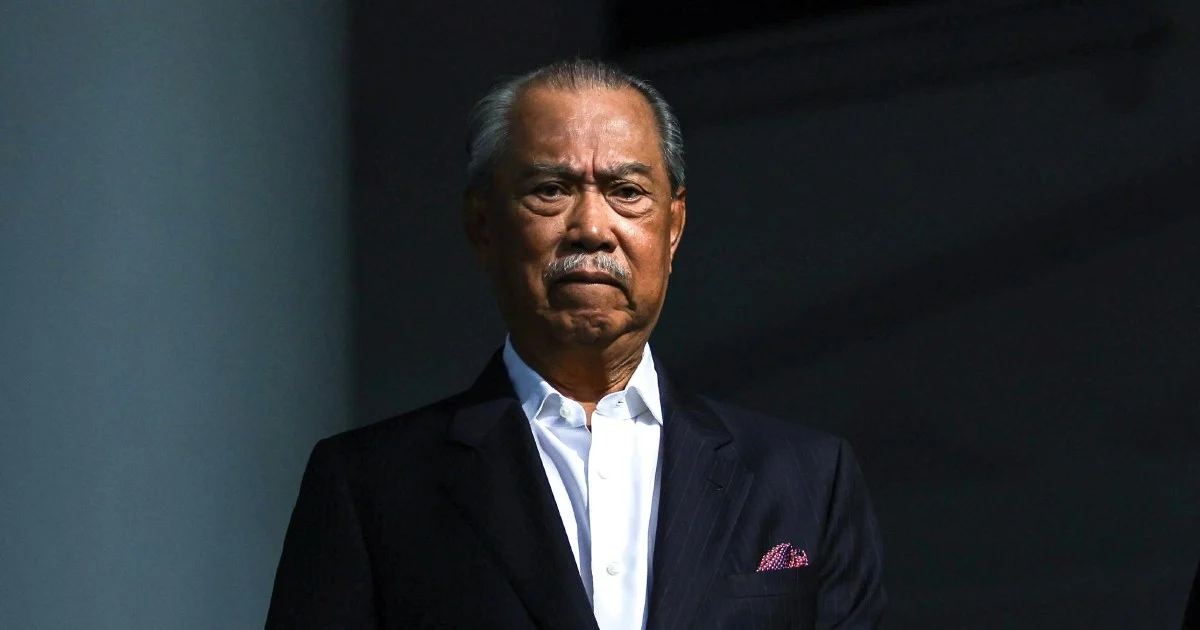
A Malaysian court has determined that RM195 million sitting in accounts controlled by Bersatu will remain frozen, following a judicial ruling that extends the financial restrictions on the political party. The decision represents a significant constraint on the party's operational capabilities and raises questions about the party's ability to fund its political activities and administrative functions in the coming months.
The frozen funds constitute a substantial portion of Bersatu's financial resources, and their continued inaccessibility threatens to disrupt the party's day-to-day operations. The party, which plays an important role in Malaysia's current political landscape, now faces serious challenges in meeting its financial obligations and executing planned initiatives. For Malaysian political observers, the freeze underscores the vulnerability of political organisations to legal challenges and financial disputes.
Bersatu, led by former Prime Minister Muhyiddin Yassin, has been navigating a complicated political environment following various coalition shifts and electoral developments. The party's financial difficulties add another layer of complexity to its strategic positioning within the broader Malaysian political ecosystem. Party leadership will need to develop contingency strategies to maintain organisational coherence while the court-ordered freeze remains in effect.
The underlying legal dispute that triggered the initial freeze and subsequent court ruling reflects deeper tensions that have characterised Malaysian politics in recent years. Financial disputes involving political parties are not uncommon in Malaysia's competitive political environment, yet the scale of the frozen amount makes this case particularly consequential. The ruling demonstrates that Malaysian courts are willing to enforce financial restrictions on political entities when appropriate legal grounds exist.
For Bersatu's members and supporters, the freeze creates uncertainty about the party's financial health and future trajectory. Political parties depend on reliable access to capital for candidate recruitment, campaign activities, grassroots mobilisation, and administrative staffing. When such funds become inaccessible, a party's competitive capacity inevitably diminishes, potentially affecting its electoral prospects and political influence.
The implications extend beyond Bersatu itself. The case serves as a cautionary reminder to other Malaysian political organisations about the importance of transparent financial management and prudent resource allocation. Legal vulnerabilities in financial affairs can prove costly, and disputes that wind through the court system can tie up significant capital for extended periods. Political parties across Malaysia would be wise to scrutinise their own financial structures and governance practices in light of this decision.
From a governance perspective, the freeze raises important questions about regulatory oversight of political party finances in Malaysia. While the court has authority to enforce financial restrictions, the broader question of how Malaysia ensures transparency and accountability in political funding remains relevant. This case illustrates that legal mechanisms exist to challenge problematic financial arrangements, yet comprehensive frameworks for preventing disputes from arising in the first place remain important.
Bersatu's situation also has implications for Malaysian coalition politics. The party's financial constraints may influence its negotiating position within existing political alliances and could affect its ability to field competitive candidates in future elections. Other political parties and potential coalition partners will be monitoring how Bersatu manages this challenge and whether the frozen funds might eventually be released or permanently lost.
The court's decision to maintain the freeze suggests that the judicial review process has been completed and that no immediate reconsideration of the restriction appears likely. However, political parties can explore other avenues, including appeals or settlement negotiations, to resolve underlying disputes and unlock frozen assets. Bersatu's leadership will need to weigh the costs and benefits of pursuing such options against the expenses involved.
For Malaysian voters and political observers, cases like this one highlight the importance of understanding that political parties are subject to legal constraints and financial scrutiny just like any other organisation. The freeze serves as a visible reminder that political institutions operate within a framework of rules and regulations, and violations or disputes can carry meaningful consequences. This transparency, while challenging for Bersatu in the short term, ultimately strengthens Malaysia's democratic institutions by ensuring accountability.
Looking forward, the situation will likely influence how Bersatu conducts its political activities and allocates its limited resources. The party may need to prioritise certain initiatives over others and potentially reduce the scope of its operations until financial resources become accessible again. Understanding how Bersatu navigates these constraints will provide insights into the party's organisational resilience and strategic flexibility.
The broader lesson from this court ruling is that Malaysian political parties cannot operate with impunity regarding financial matters. Legal proceedings involving party finances can significantly disrupt political operations and alter the competitive landscape. As Malaysia's political environment continues to evolve, cases involving financial disputes and frozen assets will likely remain part of the country's political discourse, serving as cautionary tales for other organisations.

