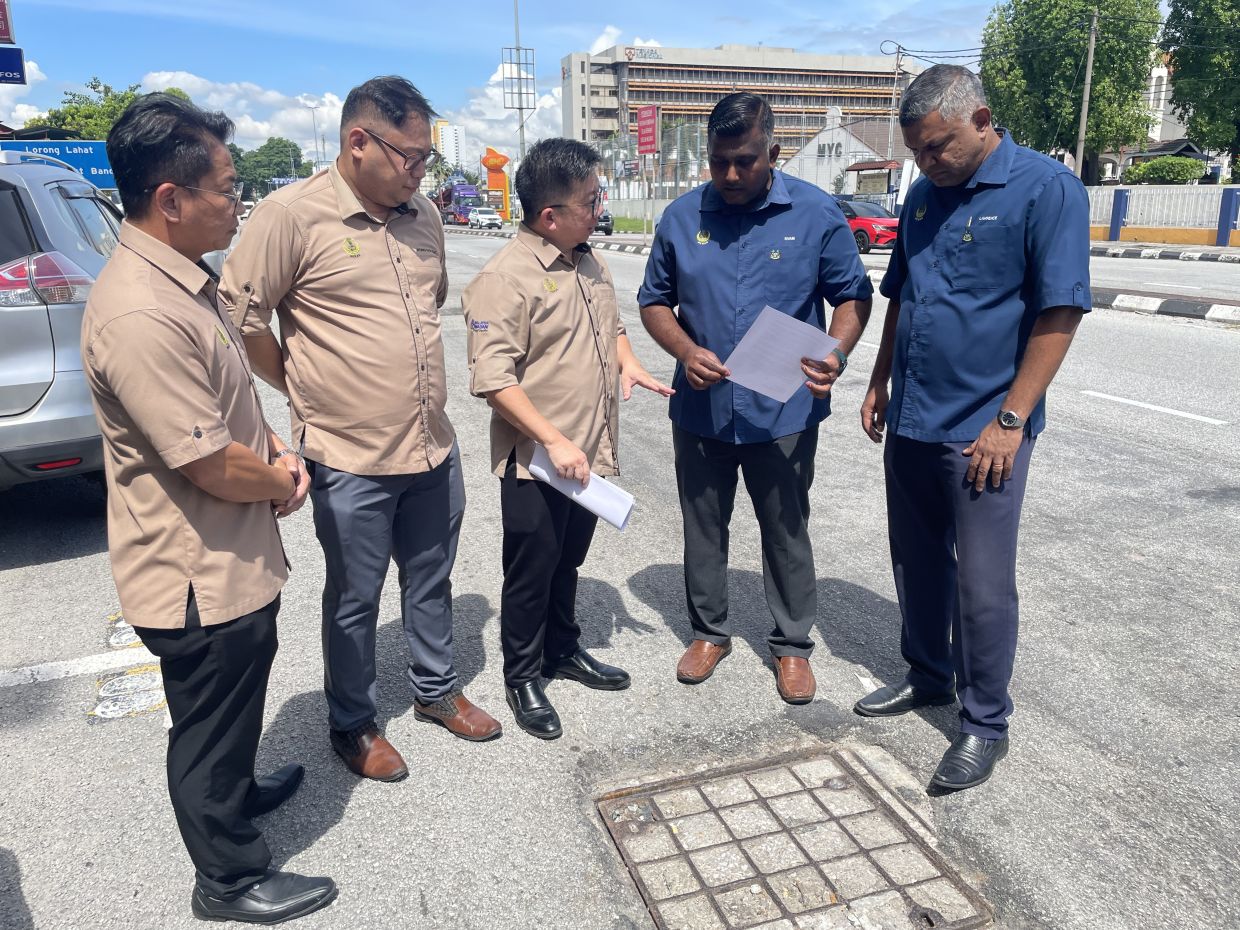
Motorists navigating Ipoh's Jalan Lahat will finally see relief from years of road degradation as a RM2.6mil resurfacing project prepares to commence in July. The ambitious undertaking will rehabilitate nearly 4km of the heavily trafficked thoroughfare, which spans across the state constituencies of Buntong, Tebing Tinggi and Menglembu. The initiative represents a significant intervention addressing mounting frustration among residents and daily commuters who have endured deteriorating conditions on this crucial route.
Menglembu assemblyman Chaw Kam Foon announced the project details, explaining that work will be funded through the Malaysian Road Records Information System (Marris). The scope encompasses resurfacing both directions of Jalan Lahat, extending from the Falim traffic lights through to the Jalan Leong Boon Swee junction near Little India. This targeted approach concentrates resources on the most severely affected section rather than attempting to overhaul the entire 10km to 11km length of the road, a pragmatic allocation strategy given budget constraints.
The road's notoriety for potholes and surface irregularities has become increasingly difficult to ignore, particularly after social media amplified concerns about safety hazards. A viral video documenting a substantial pothole on the flyover section galvanised swift preliminary action, with the defect receiving temporary repairs shortly after public outcry. However, such patch-work solutions have proven insufficient given the scale and nature of the underlying deterioration affecting this vital transport artery.
The human cost of the road's poor condition has become quantifiable and alarming. Throughout June alone, approximately 20 vehicles suffered tyre punctures after striking potholes along the affected stretch, imposing unexpected financial burdens on motorists and creating potential safety risks. Councillor K. Sivam emphasised that the resurfacing project addresses demands that have persisted since 2024, with approval finally materialising this year following sustained advocacy and mounting evidence of the problem's severity.
The tender process is currently underway, with construction anticipated to commence in July and reach completion within approximately three weeks. Sivam outlined the comprehensive nature of the planned work, which extends beyond simple surface patching to include levelling of manholes, eliminating road undulations, and repainting lane markings. This holistic approach acknowledges that previous temporary interventions failed to deliver lasting solutions, largely due to environmental pressures and the exceptionally high volume of traffic traversing the corridor.
Jalan Lahat's strategic importance cannot be overstated. The road serves as a crucial conduit for residential communities, educational institutions and commercial establishments, shouldering particularly heavy loads from large vehicles and lorries that generate substantial wear and tear. The cumulative impact of intense traffic pressures on an ageing surface has rendered band-aid fixes obsolete, necessitating the complete reconstruction of the compromised pavement structure.
Beyond traffic volume, the road's deterioration has been compounded by inadequate restoration practices following utility infrastructure work. Sivam identified past sewerage pipeline installations and related excavation activities as contributing factors to road damage, noting that reinstatement works following these interventions fell short of acceptable standards. This pattern of poor post-excavation restoration represents a systemic issue affecting road quality across Malaysia, where coordination between utility companies and local authorities often breaks down.
Moving forward, the Corridor Utiliti Darul Ridzuan (KUDR) will assume an enhanced supervisory role to prevent recurrence of such problems. The authority possesses mandate to enforce compliance with approved road restoration specifications, wielding enforcement mechanisms including fines, compounds and mandatory remedial work orders against delinquent utility companies. This enforcement framework aims to fundamentally alter the behaviour of contractors and utility providers who have historically prioritised expedition over quality in restoration work.
The project's timing and scope reflect broader municipal priorities in addressing infrastructure deficits accumulated over extended periods of underfunding and deferred maintenance. For Malaysian drivers and residents, Jalan Lahat represents emblematic of a wider challenge facing urban roads nationally, where deteriorating conditions become normalised until crises force intervention. Success in completing this Ipoh project to acceptable standards within the allocated budget and timeframe could establish a replicable model for addressing similar road infrastructure crises affecting other Malaysian urban centres facing comparable combination of heavy traffic loads and inadequate maintenance regimes.