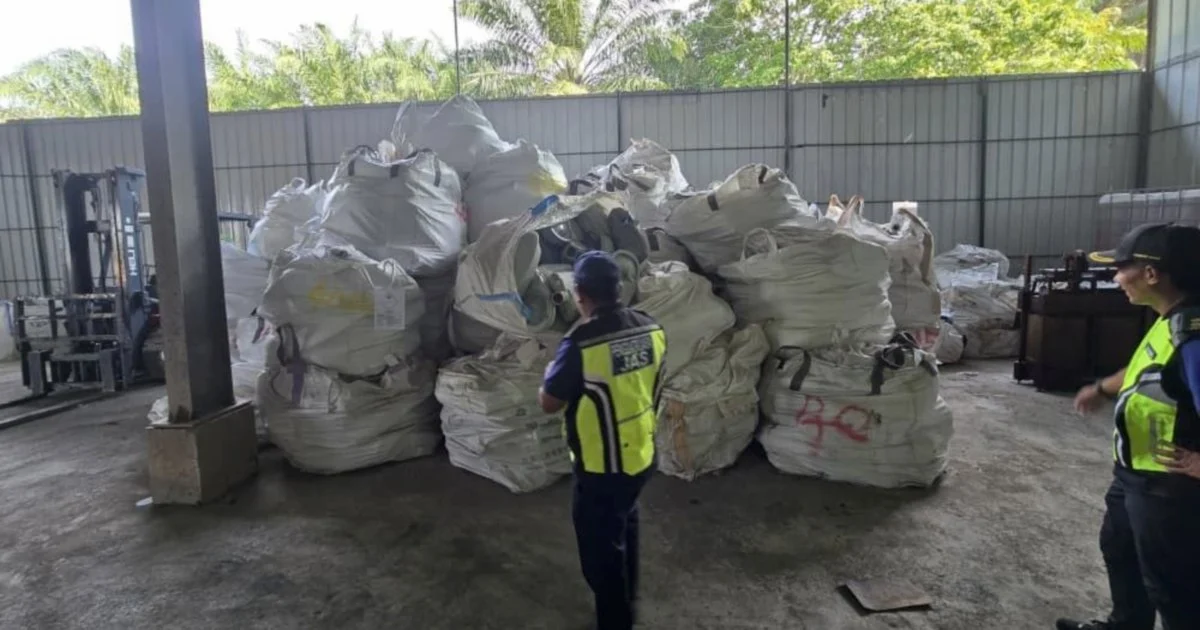
A coordinated raid by the General Operations Force has uncovered a significant illegal e-waste recycling operation in Gambang, Kuantan, resulting in the seizure of materials valued at RM6.4 million. The enforcement action, conducted yesterday, has exposed yet another clandestine facility processing electronic refuse in ways that circumvent Malaysia's environmental regulations and waste management protocols.
The operation targeted what authorities determined to be an unlicensed factory engaged in the collection and processing of various categories of electronic waste. The scale of materials discovered during the raid suggests the facility had been operating substantially for some time, accumulating considerable quantities of discarded electrical equipment and components. Factory management had evidently been processing these materials without the required permits or oversight from environmental authorities.
The factory manager was apprehended during the operation and held for questioning. Investigators are examining the extent of the operation's activities, the sources of the e-waste materials, and the intended destinations for processed components or materials. Such intelligence gathering is crucial to dismantling broader supply chains that feed illegal recycling networks across Malaysia and the region.
This seizure highlights the persistent challenge authorities face in combating illegal e-waste processing, which represents both an environmental hazard and an economic crime. Malaysia, as a middle-income country with growing electronic consumption, generates substantial quantities of e-waste annually. The proliferation of illegal recycling operations indicates that illicit channels remain more economically attractive to operators than complying with formal waste management systems, particularly when international recycling standards impose significant operational costs.
E-waste contains hazardous materials including heavy metals, toxic chemicals, and persistent organic pollutants. Uncontrolled processing—typically involving crude dismantling, burning, or acid leaching to extract valuable metals—releases these substances into soil and water systems, causing severe environmental degradation and public health risks. Communities near illegal recycling sites face elevated exposure to toxins, with long-term health consequences that burden healthcare systems and reduce productivity.
The Gambang discovery underscores Malaysia's vulnerability as a transit and processing hub for regional e-waste. Despite efforts to strengthen enforcement and establish legitimate recycling infrastructure, financial incentives continue to drive informal operations. The RM6.4 million valuation suggests the facility was extracting or stockpiling materials with resale value, positioning itself within a profitable but criminalized supply chain that extends to buyers in both domestic and international markets.
Effective responses require coordinated action across multiple enforcement agencies, including customs, environmental authorities, and police. The General Operations Force's involvement indicates recognition of the scale and seriousness of this particular operation. However, tackling the root causes—the demand for cheap e-waste materials, gaps in formal recycling capacity, and inadequate penalties for violators—demands broader policy coordination and investment in legitimate alternatives.
For Malaysian businesses and consumers, the presence of such operations carries implications. Formal e-waste management services remain underdeveloped and often costlier than informal disposal, creating perverse incentives. Strengthening legitimate recycling infrastructure, offering competitive pricing for formal services, and increasing penalties for illegal operations are essential components of any comprehensive strategy. The involvement of factory management in deliberate violations suggests awareness of legal requirements, making prosecution particularly important as a deterrent.
Regionally, this operation reflects patterns visible across Southeast Asia, where rapid industrialization and consumer electronics adoption have outpaced waste management infrastructure. Malaysia's strategic geographic position makes it vulnerable to becoming a dumping ground for e-waste from wealthier neighbors. Transnational cooperation, information sharing about smuggling networks, and harmonized enforcement protocols represent long-term solutions that individual enforcement actions, while valuable, cannot fully address.
The detention of the factory manager and seizure of materials will likely lead to criminal charges under Malaysia's environmental and waste management legislation. Prosecution outcomes establish important precedents and signal the government's commitment to enforcement. However, authorities acknowledge that individual raids, however significant, represent incremental progress against deep-rooted informal economy dynamics that continue to undermine Malaysia's environmental integrity and regulatory frameworks for hazardous waste management.

