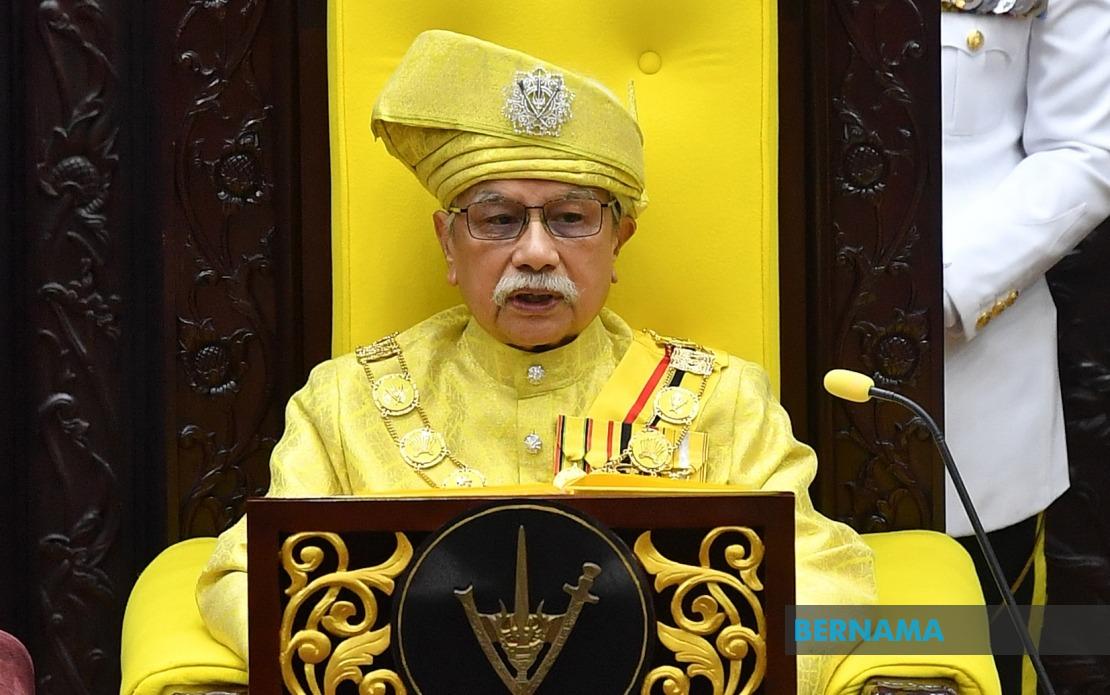
The Yang Dipertuan Besar of Negeri Sembilan, Tuanku Muhriz Tuanku Munawir, has granted his formal consent for a royal audience ceremony scheduled for Saturday at Istana Besar Seri Menanti to recognise the installation of the Undang of Luak Rembau. The decision was announced by Tunku Besar Seri Menanti, Tunku Ali Redhauddin Tuanku Muhriz, during a meeting with the customary leaders of Rembau at the palace in Kuala Pilah, signalling the imminent completion of succession procedures that have occupied the region's adat community since the previous Undang's passing.
Hassan Ab Hamid, aged 67, has been selected as the 22nd Undang of Rembau following formal customary procedures conducted by the Kerapatan Buapak Delapan ceremony, a traditional selection mechanism integral to Negeri Sembilan's distinctive governance framework. The selection process adhered to longstanding adat protocols unique to the Rembau luak, demonstrating the continued relevance of indigenous administrative systems in modern Malaysia. The ceremony the adat leaders are preparing, formally known as the Istiadat Menghadap Menjunjung Duli Bagi Menyempurnakan Kejadian Undang Luak Rembau, represents the customary acknowledgement that formalises the new Undang's authority within his jurisdiction.
A critical distinction emerged during the announcement regarding the nature of the Yang Dipertuan Besar's constitutional role in the installation process. Datuk Zulkipli Shamsudin, chairman of the Kerapatan Buapak Delapan ceremony committee and a senior figure in Rembau's customary hierarchy, clarified that under the Adat Perpatih system governing Negeri Sembilan, the ruler does not appoint the Undang unilaterally. Rather, the selection emerges from community consensus and customary procedures conducted entirely within the luak, with the sovereign's participation limited to receiving representatives and granting formal recognition once the adat community has reached its decision. This distinction carries constitutional significance, as it underscores the autonomy preserved for indigenous governance structures despite the ruler's paramount position in the state hierarchy.
Zulkipli emphasised that misunderstandings about the Undang selection process have occasionally clouded public discourse. He stressed that the Yang Dipertuan Besar neither summons candidates nor exercises personal discretion in choosing an Undang, contrary to assumptions that might arise from his central constitutional role. Instead, the ruler's involvement is ceremonial and confirmatory, acknowledging decisions made through centuries-old customary mechanisms that predate modern state structures. This clarification carries particular importance for Malaysian readers unfamiliar with Negeri Sembilan's unique governance arrangements, which represent a rare instance where traditional authority systems retain substantive autonomy within the federal structure.
The succession follows the death of the previous Undang of Rembau, Datuk Lela Maharaja Datuk Muhamad Sharip Othman, who passed away on May 15, 2024, at the age of 83. The extended interval between his passing and the formal installation ceremony reflects the deliberate pace of customary selection processes, which prioritise community consultation and consensus-building over administrative expediency. The upcoming Saturday ceremony will therefore mark the completion of months of careful procedural work conducted according to protocols that have governed leadership transitions in Rembau for generations.
Negeri Sembilan occupies a distinctive position within Malaysia's federal structure due to its historical preservation of adat perpatih traditions and the continued vitality of its luak system. The state comprises four major luak—Rembau, Jelebu, Johol, and Tampin—each with an Undang who functions as a customary leader with genuine authority over local affairs and disputes. This layered governance arrangement, where the Yang Dipertuan Besar exercises sovereignty at the state level while Undangs retain authority within their respective luak, represents a successful negotiation of indigenous and modern governance frameworks. The installation of a new Undang therefore carries implications beyond ceremonial significance, affecting how justice, land matters, and customary affairs are administered in Rembau.
The Adat Perpatih system itself deserves contextualisation for readers less familiar with Negeri Sembilan's historical development. Unlike the patrilineal Adat Temenggong practised in other Malay states, Adat Perpatih incorporates matrilineal elements and distinctive protocols for leadership selection that have survived colonialism and federation. The system emphasises collective decision-making and customary legitimacy, with Undangs wielding authority derived from adat consensus rather than unilateral appointment. This structural difference reflects the region's unique historical trajectory and demonstrates how traditional governance can adapt and persist within contemporary Malaysian federalism.
The formal recognition of Hassan Ab Hamid through Saturday's royal audience will reinforce the legitimacy that underpins his authority as the 22nd Undang. Residents of Rembau encountering customary disputes or requiring adjudication in matters governed by adat will henceforth approach Undang Hassan with confidence that his position has received both community ratification and sovereign recognition. The ceremony thus bridges traditional and modern legitimacy sources, satisfying the requirements of both customary and constitutional law.
For Malaysian governance observers, the Rembau succession illuminates how indigenous institutions continue functioning within the contemporary state. Rather than viewing adat systems as historical curiosities, the formal installation procedures demonstrate their continued operational significance. The Yang Dipertuan Besar's involvement, precisely calibrated to recognition rather than appointment, exemplifies how federal structures can accommodate traditional authority without eroding either modern constitutional frameworks or indigenous autonomy. As Malaysia navigates questions about cultural preservation and indigenous rights, Negeri Sembilan's functional maintenance of adat perpatih institutions offers a tested model for coexistence between traditional and modern governance.
The ceremonial proceedings on Saturday will draw leaders and representatives from Rembau's various customary institutions and likely garner significant attention from adat practitioners across Negeri Sembilan and neighbouring regions where similar systems persist. Observers from other Malay states, where adat structures have atrophied or been substantially subordinated to state administration, may witness in Rembau's procedures an alternative pathway for indigenous governance in contemporary Malaysia. The installation ceremony therefore transcends local significance, serving as a public affirmation of how traditional institutions maintain relevance and authority in modern times.

