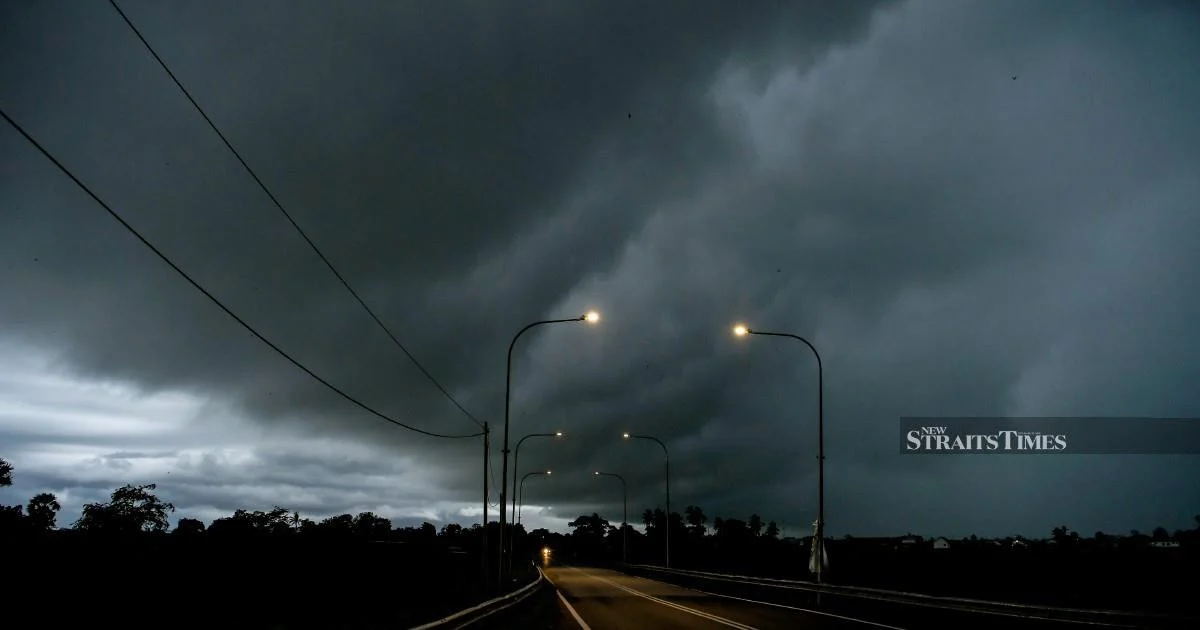
The Malaysian Meteorological Department has activated severe weather warnings across 12 regions, including the Federal Territories of Putrajaya and Labuan plus a dozen additional states, as unpredictable atmospheric conditions threaten the country with intense thunderstorms, powerful gusts and torrential downpours. The alert remains in effect until 9am, prompting residents and commuters across the affected areas to exercise heightened caution during the early hours of the day.
Thunderstorm systems can develop with remarkable speed across the Malaysian peninsula and island territories, particularly during the transition periods between seasons when atmospheric instability peaks. The combination of warm surface temperatures, sufficient moisture, and wind shear creates conditions conducive to sudden convective outbursts that generate towering cumulonimbus clouds. Such systems often produce not only lightning and thunder but accompanying hazards including violent downdraughts, hail in some cases, and localised flooding within minutes of onset.
The Meteorological Department's decision to issue warnings across such a broad geographic area reflects the potentially widespread nature of the expected weather disturbance. Strong wind gusts associated with thunderstorm development can damage structures, topple trees, and disrupt power supply to large populations. In urban centres like Kuala Lumpur and surrounding areas, such disruptions cascade through transportation networks, commercial operations, and essential services. For residents of Labuan, an island federal territory situated off the coast of Sabah, maritime conditions can deteriorate rapidly, affecting ferry services and small vessel operations.
Heavy rainfall occurring within short timeframes presents particular risks given Malaysia's urban infrastructure and drainage systems. Flash flooding can occur in low-lying areas, underpasses, and regions with poor water management infrastructure. Motorists are particularly vulnerable during thunderstorms when visibility diminishes sharply and road conditions become treacherous. The combination of standing water, reduced visibility, and possible debris accumulation creates hazardous driving circumstances that have historically contributed to accidents and fatalities during severe weather events.
The 10 states included in the warning, alongside the two Federal Territories, represent a significant portion of Malaysia's population and economic activity. Residents should take precautions including securing loose outdoor items, avoiding unnecessary travel during peak storm hours, and staying informed through official weather updates. Those in flood-prone areas should consider moving valuables to higher ground and preparing emergency supplies. The early morning timing of the alert allows residents and businesses to prepare before conditions potentially deteriorate further.
Lightning remains one of the most dangerous aspects of thunderstorm activity, capable of striking objects and people with minimal warning. Malaysia experiences high lightning frequency due to its tropical location and geographic characteristics, with considerable numbers of recorded strikes annually. The Meteorological Department's early alert provides crucial time for individuals to seek shelter in sturdy buildings or vehicles—the safest locations during electrical storms. Avoiding exposed areas, open water, and metallic objects during thunderstorm activity significantly reduces personal risk.
For the aviation sector, thunderstorm warnings trigger operational protocols at Malaysian airports including Kuala Lumpur International Airport and regional facilities. Airlines may experience delays or diversions as weather systems move through controlled airspace. Airport ground operations become more cautious during thunderstorm activity, with restrictions on runway usage and ground movements to enhance safety. Passengers should anticipate possible schedule disruptions and remain flexible with travel plans during periods of severe weather coverage.
Seasonal weather patterns influence thunderstorm frequency across Malaysia throughout the year. The inter-monsoon periods, occurring between the major monsoon regimes, typically feature more unstable atmospheric conditions and increased thunderstorm activity. Understanding these patterns helps residents and businesses prepare appropriately and take warnings seriously. Dismissing such alerts can lead to dangerous situations when conditions rapidly deteriorate, particularly for those caught outdoors or in vehicles.
The Meteorological Department continues monitoring atmospheric conditions throughout the alert period, with the capacity to extend warnings should conditions warrant extension. Citizens should maintain awareness by consulting official weather services, particularly those with responsibility for vulnerable populations including children and elderly persons. The 9am deadline provides a reasonable window for conditions to stabilise as solar heating stabilises and atmospheric energy dissipates, though localised effects may persist beyond the official warning period in some areas.
%22%2F%3E%3C%2Fpattern%3E%3C%2Fdefs%3E%3Crect%20width%3D%22100%25%22%20height%3D%22100%25%22%20fill%3D%22url(%23ph243big)%22%2F%3E%3Crect%20width%3D%22100%25%22%20height%3D%22100%25%22%20fill%3D%22url(%23ph243bip)%22%2F%3E%3Ctext%20x%3D%2250%25%22%20y%3D%2250%25%22%20text-anchor%3D%22middle%22%20dominant-baseline%3D%22central%22%20fill%3D%22rgba(255%2C255%2C255%2C0.95)%22%20font-family%3D%22Georgia%2C%20'Times%20New%20Roman'%2C%20serif%22%20font-weight%3D%22700%22%20font-size%3D%22272%22%20letter-spacing%3D%22-0.02em%22%3EAnwar%3C%2Ftext%3E%3C%2Fsvg%3E)
%22%2F%3E%3C%2Fpattern%3E%3C%2Fdefs%3E%3Crect%20width%3D%22100%25%22%20height%3D%22100%25%22%20fill%3D%22url(%23ph50glvg)%22%2F%3E%3Crect%20width%3D%22100%25%22%20height%3D%22100%25%22%20fill%3D%22url(%23ph50glvp)%22%2F%3E%3Ctext%20x%3D%2250%25%22%20y%3D%2250%25%22%20text-anchor%3D%22middle%22%20dominant-baseline%3D%22central%22%20fill%3D%22rgba(255%2C255%2C255%2C0.95)%22%20font-family%3D%22Georgia%2C%20'Times%20New%20Roman'%2C%20serif%22%20font-weight%3D%22700%22%20font-size%3D%22136%22%20letter-spacing%3D%22-0.02em%22%3EDemocratic%3C%2Ftext%3E%3C%2Fsvg%3E)