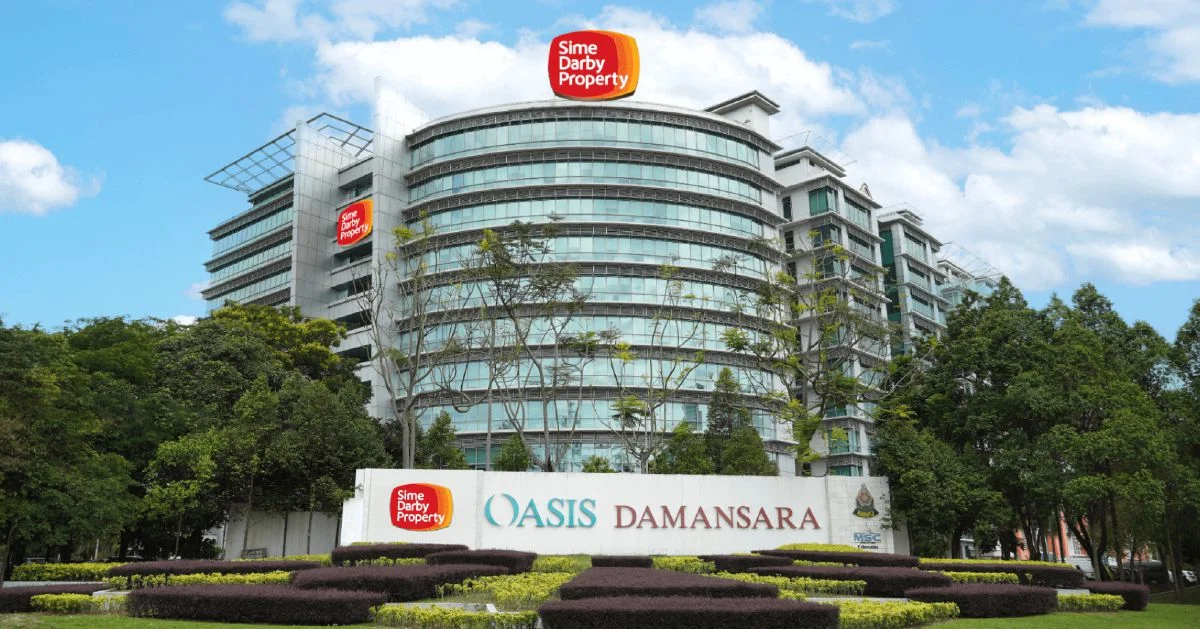
Sime Darby Property Bhd has taken a significant step in financing its new economy expansion by launching a RM2.6 billion sukuk wakalah programme, a move that underscores the property developer's commitment to mobilising capital for strategic real estate ventures. The initiative comes through the New Economy Venture (NEV), the company's second dedicated real estate development fund, with the sukuk issuance structured via subsidiary Sime Darby Property NEV Holdings Sdn Bhd. This capital-raising strategy reflects growing confidence in Malaysia's property market and the demand for Shariah-compliant financing instruments among both institutional and retail investors.
The sukuk wakalah structure represents a more sophisticated approach to Islamic financing, operating on the principle of a contractual agreement where funds are managed on behalf of investors. This mechanism differs from traditional debt instruments, as it positions investors as beneficial owners of assets or projects rather than creditors, offering greater alignment with Islamic finance principles. For Sime Darby Property, the choice of this particular sukuk variant demonstrates sophisticated financial engineering tailored to attract a broad base of Islamic investors across Southeast Asia and the Middle East.
New Economy Venture itself represents Sime Darby Property's strategic positioning within Malaysia's broader economic transformation narrative. The fund's focus on new economy projects suggests an orientation towards developments in high-growth sectors such as technology hubs, digital infrastructure, green buildings, and knowledge-intensive commercial spaces. This aligns with Malaysia's aspirations under various national development frameworks that prioritise emerging industries and innovation-driven growth. By establishing a dedicated fund for these ventures, Sime Darby Property positions itself as a key facilitator in channelling capital towards sectors that drive long-term economic competitiveness.
The RM2.6 billion quantum of financing carries substantial weight in Malaysia's property development landscape. For context, this amount is comparable to several major mixed-use development projects undertaken by leading Malaysian developers. The scale of the sukuk programme suggests Sime Darby Property anticipates significant pipeline of projects, or intends to establish financial flexibility for acquisitions and development opportunities that emerge within the new economy space over the coming years. Such appetite for capital is typically a precursor to aggressive expansion within targeted sectors.
The utilisation of a subsidiary specifically designated for this sukuk issuance provides important structural benefits. By separating the New Economy Venture fund assets and liabilities from the parent company's balance sheet, Sime Darby Property creates what amounts to a special purpose vehicle for sukuk investors. This structure enhances transparency, allows for ring-fenced asset management, and provides sukuk holders with a more direct claim on NEV-specific revenues and assets. From an investor perspective, this arrangement reduces perceived credit risk and ensures that sukuk proceeds are deployed exclusively for the fund's stated objectives.
Market timing for this sukuk launch merits consideration. Malaysia's Islamic capital markets have demonstrated resilience and growth despite global economic headwinds. The sukuk market in Malaysia remains one of the deepest in the world, with regular participation from domestic institutional investors such as pension funds, insurance companies, and asset managers, alongside international Islamic finance participants. Sime Darby Property's issuance enters a market characterised by reasonable appetite for property-backed instruments, particularly those connected to development projects with clear economic rationale.
The new economy focus carries implications beyond Sime Darby Property's own portfolio. By channelling substantial capital towards emerging sectors, the company contributes to ecosystem development that benefits the broader Malaysian economy. Real estate development in technology parks, innovation precincts, and digital infrastructure creates physical spaces where high-value activities cluster. This has multiplier effects on employment, particularly for skilled workers, and enhances Malaysia's competitive positioning within regional and global value chains. Sime Darby Property essentially becomes a private-sector partner in Malaysia's economic diversification journey.
Competitively, this move signals Sime Darby Property's intent to differentiate itself within a crowded development landscape. While traditional commercial and residential real estate remain important, the focus on new economy projects addresses a market gap where demand from technology companies, research institutions, and innovation-driven firms often exceeds supply of appropriately designed and positioned space. Developers who can successfully deliver such projects gain pricing power and build longer-term tenant relationships with growing, high-margin businesses.
Investor appeal extends to the risk-return proposition embedded within new economy projects. Properties serving emerging industries typically command premium rental rates compared to conventional commercial space, driven by tenant willingness to pay for location advantages near innovation ecosystems and talent clusters. Sukuk investors participating in the RM2.6 billion programme therefore access revenue streams potentially more resilient to economic downturns, as knowledge-intensive industries demonstrate greater cyclical stability than traditional sectors.
The sukuk programme's success will ultimately depend on execution—how effectively Sime Darby Property deploys capital into genuinely productive new economy projects that generate sustainable returns. Malaysian investors and international sukuk participants will monitor whether the company delivers projects that address genuine market demand or whether capital becomes trapped in speculative developments. The credibility of the NEV initiative and Sime Darby Property's track record with strategic fund management will significantly influence demand for this sukuk issuance.
Looking forward, this financing initiative may establish a template for other Malaysian property developers seeking to mobilise capital for emerging-sector projects. As Malaysia continues repositioning itself within global supply chains and economy value chains, property developers increasingly function as infrastructure partners in national development strategies, with sukuk financing emerging as an increasingly popular mechanism to align investor capital with developmental objectives.