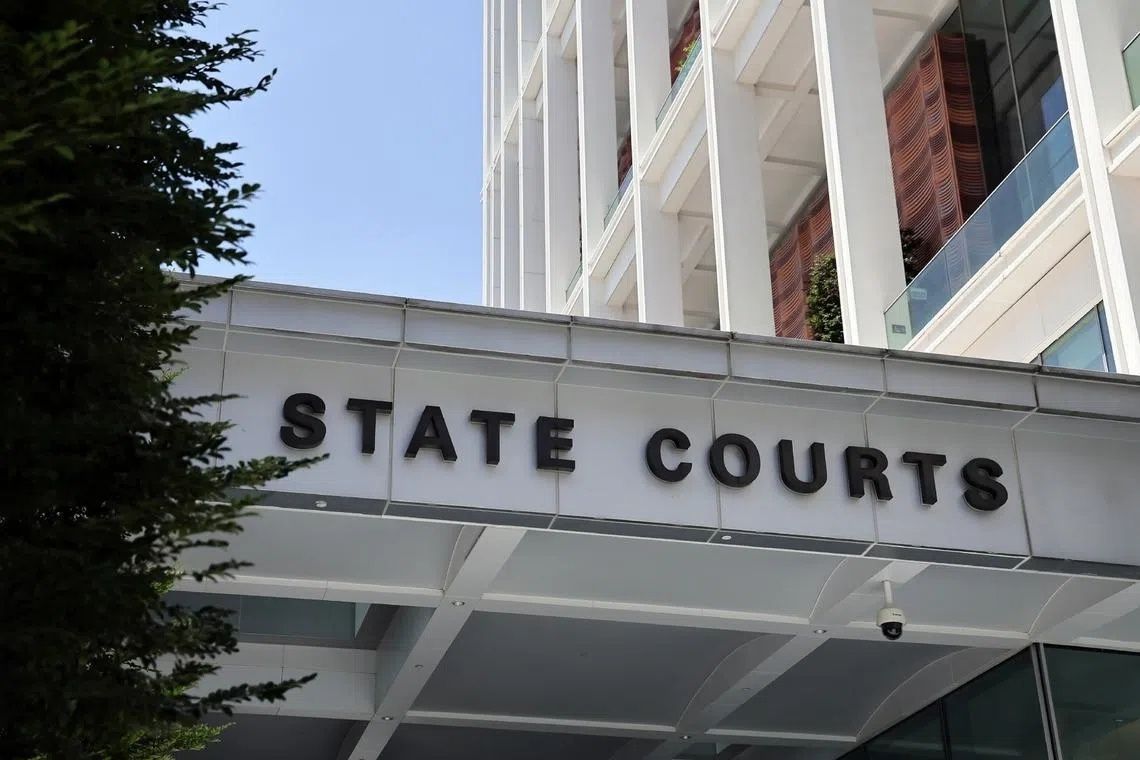
Singapore's courts processed an unusually large batch of drink-driving cases on a single day this week, with 41 motorists facing charges related to driving under the influence of alcohol. Three of those defendants stand out for the particular hazard they posed: they allegedly fell asleep while operating their vehicles after consuming alcohol, creating dangerous situations on roads across the city-state.
Tho Yu Wei Ronald, a 34-year-old driver, left his car blocking the entrance to a multi-storey carpark at Block 176 Hougang Street 13 late one evening in April. According to court records, Tho's blood alcohol level reached at least 51 micrograms per 100 millilitres of breath—substantially above Singapore's legal threshold of 35 micrograms per 100 millilitres. The positioning of his abandoned vehicle constituted not merely a safety concern but also an obstruction that inconvenienced other users of the facility. Similarly, Zhong Pengzhi, 38 years old, abandoned his vehicle in the second lane of a two-lane section of Clementi Avenue 5 in the early hours of a May morning, also with elevated blood alcohol levels measured at 48 micrograms per 100 millilitres.
The third case proved particularly alarming given the nature of the vehicle involved. Dharuman Killivalavan, a 29-year-old Indian national, was operating a heavy lorry along Loyang Avenue when he fell asleep and left the vehicle parked in the extreme right lane. His breath analysis revealed a blood alcohol concentration of 87 micrograms per 100 millilitres—substantially exceeding the legal limit and the most severe among the three cases. The risks posed by an unattended lorry in an active traffic lane are considerably greater than those from a passenger car. Dharuman entered a guilty plea on Thursday, June 25, and received a $7,100 fine alongside a 36-month driving disqualification.
The large cohort of 41 drivers charged on that single day ranged in age from 25 to 68 years, illustrating that drink-driving is not confined to any particular demographic. However, the presence of repeat offenders within this group raises particular concern about the effectiveness of existing deterrent measures. Two of the 41 defendants had prior convictions for the same offence, indicating that previous legal consequences had failed to prevent recidivism.
Cheng Woon Siong, a 44-year-old repeat offender, exemplifies the severity of consequences for persistent violators. Police intercepted him during a routine checkpoint and recorded a blood alcohol reading of 52 micrograms per 100 millilitres. Because Cheng had been convicted of drink driving in December 2019, the court imposed markedly harsher penalties: one month's imprisonment, a $5,500 fine, and a 60-month driving disqualification extending from the date of his release. This escalated response reflects Singapore's approach to habitual traffic offenders—enhanced punishment designed to discourage repeat violations. The other repeat offender, Koh Choon Lye, 48, had been convicted in 2018 and was stopped on Tyrwhitt Road in April with a breath alcohol level of 51 micrograms per 100 millilitres.
The volume of cases processed in a single court session underscores an ongoing enforcement challenge facing Singapore's traffic authorities. The Traffic Police disclosed broader statistics revealing that 1,716 individuals were arrested for drink driving during 2025, demonstrating that enforcement operations continue to identify significant numbers of impaired motorists. More sobering still are the fatality figures: drink-driving-related accidents claimed lives in 12 separate incidents throughout the year, representing a persistent and preventable cause of road trauma.
The police statement accompanying the prosecutions emphasised the grave dangers inherent in operating vehicles while intoxicated, characterising such conduct as "extremely dangerous and irresponsible." This official messaging reflects a broader regional concern shared across Southeast Asia, where drink-driving remains a persistent public health and road safety issue. Singapore's authorities have consistently advocated for behavioural change, encouraging the public to abstain from driving when consuming alcohol and instead utilise alternative transportation modes including taxis and private-hire vehicles.
For Malaysian road users and policymakers, Singapore's enforcement approach and statistics offer instructive lessons. The city-state's consistent prosecution of offenders, including repeat violators, demonstrates that sustained legal consequences form part of a comprehensive strategy to reduce impaired driving. The cases of drivers falling asleep at the wheel underscore how alcohol impairs not merely reaction time and judgment but also fundamental physiological functions like alertness—making the combination of drowsiness and intoxication particularly lethal. The presence of two repeat offenders among 41 prosecuted on a single day suggests that rehabilitation and deterrence remain ongoing challenges even in well-resourced enforcement environments.
These developments also highlight the importance of community compliance. While Singapore's Traffic Police conduct regular enforcement operations and checkpoint activities, the ultimate responsibility for preventing drink-driving rests with individual drivers. The transport options available in developed urban centres like Singapore—comprehensive taxi services, ride-hailing platforms, and public transit—provide viable alternatives that reduce the perceived inconvenience of not driving after alcohol consumption. Similar infrastructure investments in Malaysia's major urban areas could support comparable behavioural shifts, potentially reducing the incidence of impaired driving incidents and related casualties.

