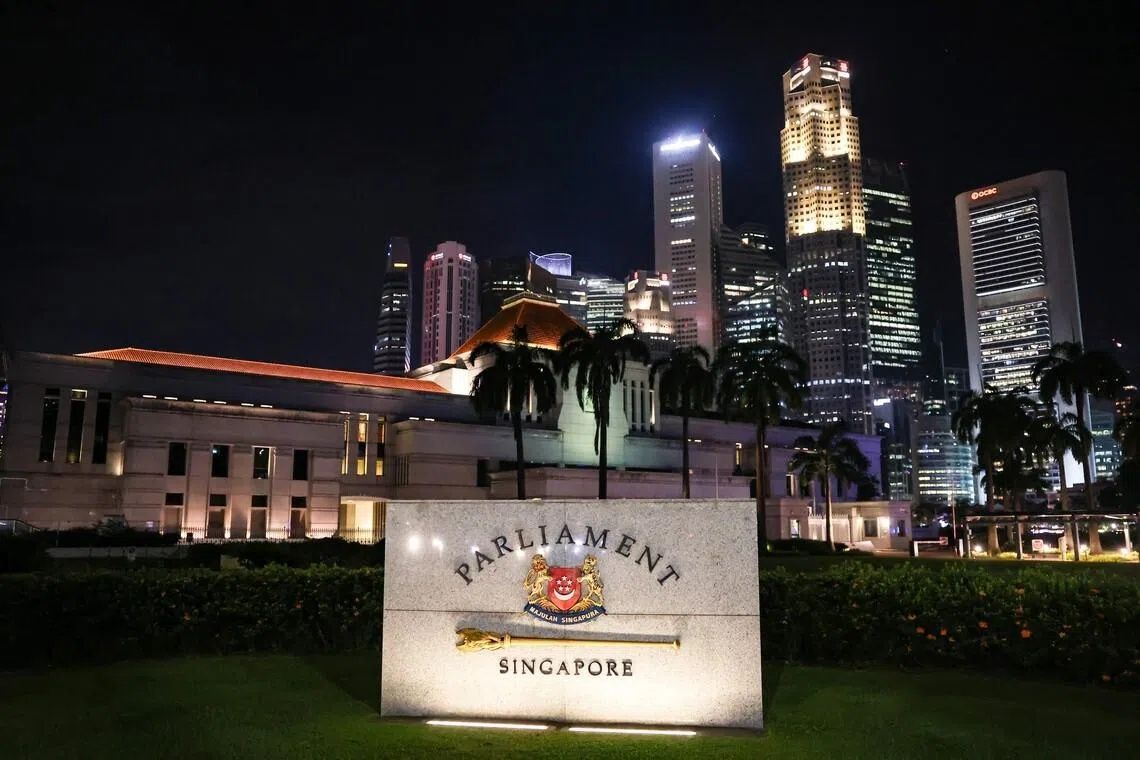
Singapore's police force has brought charges against a 40-year-old resident for orchestrating a pair of hoax bomb threats directed at Parliament House and a key government scientific agency during the first week of July. The suspect was arrested on July 7, the same day a second threat materialised, and appeared in court on July 9 to face charges relating to the deliberate transmission of false information about dangerous devices.
The incident began when the Home Team Science and Technology Agency (HTX), located at the One North complex, received an alarming submission through an online form on July 3. The message falsely claimed that an explosive device had been planted within the agency's building. Authorities responded immediately by conducting exhaustive searches of the facility and its surrounding areas, yet discovered nothing of concern. The swift and thorough response exemplified the seriousness with which Singapore treats any such notification, despite the eventual confirmation of its baseless nature.
Four days later, a second threat emerged when the police received notification of an anonymous electronic mail sent to the Prime Minister's Office. This message, arriving on July 7, similarly alleged that a bomb had been placed at the Parliament House, the nation's legislative centre. Once again, security personnel and law enforcement officers undertook comprehensive systematic sweeps of the building and its environs, ultimately finding no credible evidence of any explosive device. The coordinated response across multiple agencies demonstrated the infrastructure Singapore has developed to manage such potential security crises.
Investigative work by officers from the Criminal Investigation Department and Central Police Division proved instrumental in connecting the two incidents. Through methodical analysis of the communication methods, submission timelines, and digital footprints, detectives established that both threats originated from the same individual. This breakthrough significantly accelerated the investigation and enabled authorities to focus resources on identifying and apprehending the perpetrator. The technological sophistication of the threats—spanning both online forms and email communications—underscored how digital channels can be exploited to generate public alarm.
The arrest came swiftly following this determination. When police took the suspect into custody on July 7, they recovered several electronic devices that investigators believe were used to formulate and transmit the false threats. These devices have become central to the prosecution's case, potentially containing digital evidence that corroborates the suspect's involvement. The seizure of such materials is standard practice in contemporary criminal investigations involving online communications.
Under Singapore's legal framework, the man faces prosecution for communicating false information concerning a harmful thing—a charge that reflects the jurisdiction's approach to protecting public security and institutional integrity. The potential penalties are substantial: conviction could result in imprisonment of up to seven years, a monetary fine reaching S$50,000, or a combination of both sanctions. These severe consequences reflect legislative intent to deter individuals from weaponising false security claims.
For Malaysian readers familiar with similar jurisdictions in Southeast Asia, the case illustrates how rapidly developed economies with advanced law enforcement capabilities can investigate and prosecute cybercrime. Singapore's integrated approach—combining physical security responses, digital forensics, and inter-agency coordination—represents a model that regional authorities increasingly seek to replicate. The speed from threat to arrest to court appearance demonstrates institutional efficiency that contrasts markedly with challenges faced in less developed legal systems.
The broader context of such hoaxes reveals a pattern of growing concern across developed democracies. False bomb threats consume enormous resources while creating genuine public anxiety. In this instance, multiple buildings were locked down, surrounding areas were cordoned, and emergency personnel were diverted from other duties. The ripple effects extend beyond immediate security measures: commuters experience disruptions, businesses lose productivity, and public confidence in institutional safety can be temporarily shaken.
Police statements accompanying the charge emphasised this resource diversion problem explicitly. Officials noted that frivolous threats impose unnecessary psychological burden on the public while draining valuable emergency services. This messaging serves a dual purpose—justifying the severe legal response while warning potential offenders about consequences. Singapore, like other developed nations, has witnessed occasional waves of copycat threats, making clear and firm deterrence messaging essential to prevention strategies.
The case also raises questions about digital security and accountability. How the suspect gained access to official submission systems, whether vulnerabilities existed in those channels, and what enhanced protections might prevent future incidents remain areas of legitimate institutional scrutiny. While police statements focus on the criminal prosecution, cyber hygiene improvements invariably follow such breaches, though such operational enhancements typically occur outside public view.
For regional security analysts, the incident reinforces that even politically stable, technologically advanced city-states must remain vigilant against individuals seeking to exploit emergency systems. The threat landscape in Southeast Asia extends beyond conventional security concerns to encompass digital hoaxes, misinformation campaigns, and coordinated false alarms. Singapore's response—swift, comprehensive, and legally robust—illustrates preparedness levels that authorities elsewhere in the region continue developing.
The prosecution will now proceed through the courts, with evidence examination, potential defence challenges, and judicial determination lying ahead. Beyond the individual case, however, the broader implications touch on how societies balance security imperatives with civil liberties, how technological capabilities enable both legitimate communication and malicious hoaxes, and what deterrent effects legal frameworks can achieve. The outcome will likely inform future prosecutions involving similar offences across the jurisdiction.

