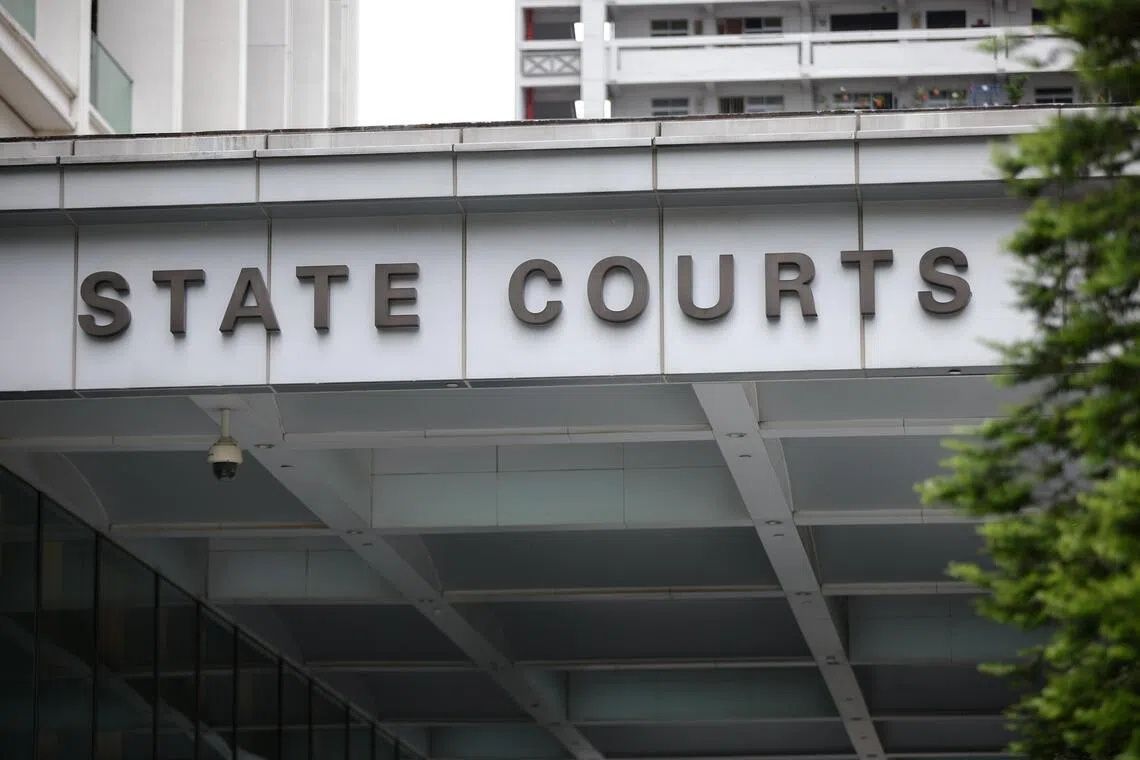
A Singapore man has been handed a substantial custodial sentence for orchestrating a calculated campaign of sexual humiliation against his ex-girlfriend through the non-consensual distribution of intimate content online. The 27-year-old was sentenced to two years and eight months' jail alongside two strokes of the cane, with an order to pay $4,000 in compensation to his victim. The case, decided by Principal District Judge Toh Han Li and published on June 25, underscores the gravity with which Singapore's legal system treats digital sexual abuse and revenge pornography offences.
The relationship between the offender and victim began in 2016 while both attended a religious school. She was 15 years old and he was 17 when they entered into a romantic relationship. During their time together, he persuaded her to create sexually explicit photographs and at least two videos of herself performing sex acts, which she subsequently sent to him. The victim, now significantly older, later ended the relationship because she found his behaviour controlling and toxic. When she attempted to move forward, she asked him to delete all intimate material he possessed and deleted her own copies of any intimate content involving him from her devices.
The offender publicly stated he had complied with her request but secretly retained the videos for personal gratification. His compliance was feigned, a deception that would set the stage for years of harassment and distress. In April 2021, more than a year after their breakup, he contacted the victim again seeking reconciliation despite being in another relationship at the time. She declined his overtures and blocked him across her social media platforms. This rejection proved to be the catalyst for his subsequent crime.
Determined to exact revenge on the victim for spurning him, the offender created a fraudulent account impersonating her and uploaded her intimate videos to a social media group with approximately 80,000 members operating within a platform that served millions of users globally. The group, he discovered, contained a disturbing collection of explicit content featuring numerous women depicted in religious clothing. Her videos were added to this repository of sexual exploitation. The act appeared calculated and deliberate, designed specifically to humiliate her and damage her reputation within religious communities.
The consequences for the victim manifested quickly. A month after the videos were posted, she received a message on Instagram from a stranger who had viewed her intimate content and propositioned her sexually. When she demanded to know where he had obtained the material, he sent her the link to the group containing her videos. Suspecting the offender's involvement, she adopted a false identity and infiltrated the group to investigate. What she discovered horrified her: the group functioned as a repository for sexual abuse material, containing numerous explicit videos and images of women in religious dress, with her own content prominently featured among the exploitative posts.
The victim made a formal police report, triggering an investigation that led to the offender's arrest. The Deputy Public Prosecutor, Chong Kee En, characterised the case as an egregious instance of revenge pornography, arguing before the court that the repercussions of the crime continued to devastate the victim's life nearly five years after the initial offence occurred. The prosecution submitted that the digital distribution had fractured her family relationships, strained friendships, and fundamentally altered her life trajectory. She had previously aspired to become a religious teacher but abandoned this career goal, fearing that the resurfacing of her intimate images would subject her to community shame and professional ostracism.
The psychological and social damage extended beyond career implications. The victim had become estranged from her mother as a consequence of the leaked content and continued to receive unwanted contact from acquaintances who had encountered her intimate material online. The videos persisted in circulation across digital platforms, meaning she remained vulnerable to ongoing propositions and harassment years after the initial upload. These cascading harms formed a central component of the prosecution's case, illustrating how digital sexual abuse creates prolonged victimisation that extends far beyond the initial violation.
The prosecution sought a sentence of 30 to 36 months' imprisonment combined with three strokes of the cane, positioning the case as one warranting substantial punishment. The defence counsel, Sean Marican, advocated for leniency, characterising the offence as a spontaneous act undertaken in anger following the victim's rejection. He argued for a jail sentence of one year with no caning and only $500 in compensation. The defence narrative portrayed the crime as an impulsive response rather than premeditated revenge, a distinction that Judge Toh ultimately rejected.
In his judgment, Judge Toh explicitly rejected the defence portrayal, finding instead that the offender's motivation was fundamentally retaliatory. The judge concluded that the accused had deliberately attempted to harm and humiliate the victim by presenting her as a sexually promiscuous individual while depicted in religious garb, thereby weaponising both her sexuality and her religious identity against her within communities that might hold conservative views on such matters. The choice to upload her content specifically to a group containing similarly exploitative material and the creation of a false identity to circumvent detection demonstrated premeditation and calculated malice rather than spontaneous anger.
The sentence handed down represented a middle ground between the prosecution's submission and the defence's request, reflecting the judge's assessment of the severity of the offence tempered against the offender's age at the time of commission and the time elapsed since the crime. Under Singapore's laws governing the distribution of intimate recordings without consent, offenders face a maximum penalty of five years imprisonment, a fine, caning, or any combination thereof. The two-year-eight-month sentence, whilst substantial, remained below the prosecution's upper request, suggesting the court gave weight to mitigating factors despite finding the offence fundamentally serious.
The case carries significant implications for Southeast Asian jurisdictions grappling with digital sexual abuse legislation. Singapore's framework treats revenge pornography as a serious criminal matter rather than a regulatory or civil issue, reflecting the recognition that non-consensual distribution of intimate content inflicts substantial harm. The judgment provides clarity that offenders cannot escape accountability by claiming impulsiveness or anger, and that the ongoing circulation of intimate material years after the initial upload constitutes an aggravating factor warranting substantial punishment. The compensation order, whilst modest at $4,000, establishes that perpetrators bear financial responsibility to their victims alongside criminal liability.
The victim's experience reveals how digital sexual abuse disproportionately impacts women and girls, particularly those from religious communities where reputational consequences carry heightened social and economic stakes. The leverage gained by possessing intimate content creates an avenue for control and coercion that persists across relationship breakdowns. Her inability to pursue her chosen career path due to fear of image resurfacing exemplifies how revenge pornography extends its reach into victims' fundamental life decisions and opportunities. The case underscores that effective legal responses require courts to acknowledge these cascading harms and impose sentences that reflect the severe and prolonged nature of the victim's suffering.

