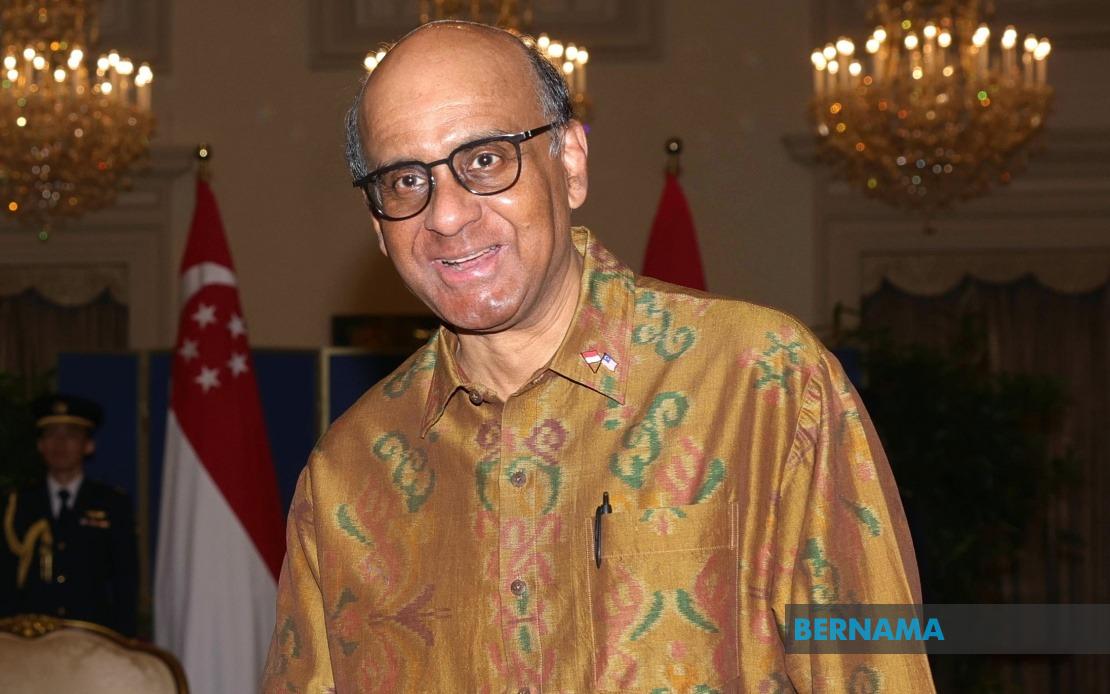
Singapore President Tharman Shanmugaratnam is set to undertake a three-day state visit to Malaysia beginning July 13, arriving at the formal invitation of His Majesty Sultan Ibrahim, King of Malaysia. The high-profile diplomatic engagement, scheduled to conclude on July 15, represents a significant moment in bilateral relations and reflects the two nations' commitment to strengthening their strategic partnership across multiple sectors.
This inaugural state visit by Tharman since his assumption of office as Singapore's ninth President in September 2023 carries particular diplomatic weight. The timing of the visit serves as a reciprocal gesture to His Majesty's state visit to Singapore in early May 2024, demonstrating the cyclical nature of high-level engagement between the two nations. Malaysia's Foreign Ministry emphasised in its announcement that such reciprocal visits underscore the robust and enduring nature of the relationship, reflecting deepening cooperation across areas deemed mutually beneficial to both countries.
The presidential delegation will be notably comprehensive, with Tharman accompanied by his spouse, Jane Ittogi Shanmugaratnam, alongside several cabinet ministers and senior government officials. This composition signals the multifaceted nature of the visit, which extends beyond ceremonial protocols to encompass substantive discussions on bilateral cooperation and regional affairs. The breadth of the delegation suggests that Singapore views this visit as an opportunity to advance collaborative initiatives across economic, security, and diplomatic domains.
During his time in Malaysia, Tharman will experience the full pageantry of a state visit, commencing with a formal State Welcoming Ceremony upon arrival. He will subsequently receive an audience with His Majesty at Istana Negara, the official royal palace, followed by attendance at a State Banquet honouring the distinguished visitor. Additionally, Prime Minister Datuk Seri Anwar Ibrahim is scheduled to extend a courtesy call to the President, providing an opportunity for substantive discussions between the two leaders on matters of bilateral and regional significance.
Economic dimensions underpin much of the strategic importance of this visit. Singapore and Malaysia maintain one of Southeast Asia's most integrated and consequential bilateral trade relationships. According to Malaysia's Foreign Ministry, Singapore currently ranks as Malaysia's second-largest trading partner globally, whilst simultaneously serving as Malaysia's largest trading partner among the ten ASEAN member states. This dual distinction underscores the depth of commercial interdependence and the significant economic stakes involved in maintaining robust diplomatic relations.
The scale of bilateral commerce has demonstrated consistent growth momentum. During 2025, total bilateral trade reached RM402.35 billion, equivalent to approximately US$93.97 billion, representing a modest increase of 1.5 per cent compared to the previous year. More encouragingly, data from the first five months of 2026 reveals substantially accelerated growth, with bilateral trade totalling RM189.90 billion (US$47.87 billion), a notable 14.5 per cent increase relative to the corresponding January-May period in 2025, which had registered RM165.93 billion (US$37.65 billion).
This acceleration in trade growth carries implications extending beyond commerce. For Malaysian observers, the strengthening economic relationship signals confidence in the bilateral framework and suggests that both governments view their partnership as resilient and forward-looking despite the complex regional environment. The doubling of growth rates year-over-year indicates that sectoral collaborations are expanding and that businesses in both nations increasingly perceive attractive opportunities within each other's markets.
From a Malaysian perspective, maintaining robust ties with Singapore addresses several strategic imperatives. Singapore's sophisticated financial services, technology sectors, and business infrastructure complement Malaysia's strengths in natural resources, manufacturing, and regional logistics networks. The state visit provides a platform for discussing trade facilitation measures, investment promotion, and regulatory harmonisation that could further unlock bilateral economic potential.
Regionally, the visit carries broader ASEAN significance. As the bloc grapples with geopolitical tensions, supply chain vulnerabilities, and developmental disparities among member states, the Singapore-Malaysia partnership represents a model of intensive cooperation and institutional maturity. Both nations are key drivers of ASEAN's economic and political influence, and the strengthening of their relationship reinforces ASEAN's cohesion and relevance in navigating regional challenges.

