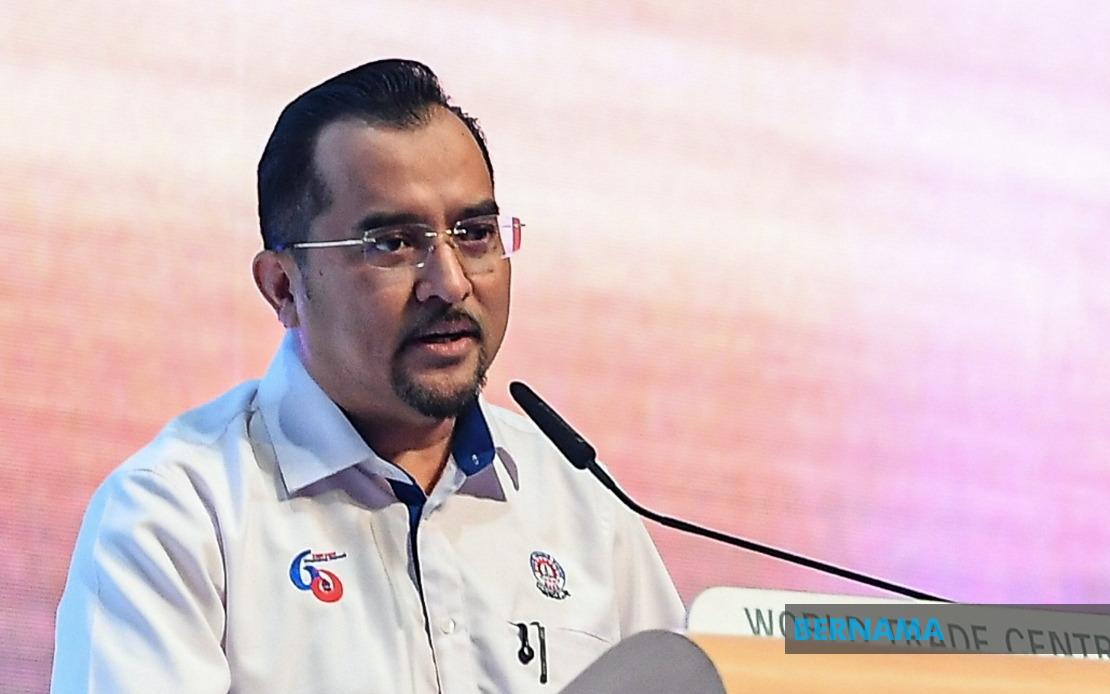
MARA's top leadership has taken a hardline stance on a bullying case involving six Form Five students at a Johor MRSM campus, with MARA Chairman Datuk Asyraf Wajdi Dusuki confirming that expulsion will follow any guilty finding. The announcement comes after the incident gained public attention through social media, where the victim's parents detailed their distress over their 14-year-old son's request to withdraw from the prestigious boarding institution due to persistent harassment from peers.
The gravity of the situation prompted Datuk Asyraf to personally intervene, issuing immediate directives to MARA's Secondary Education Division and campus administrators to convene a formal disciplinary hearing without delay. His explicit instruction that proceedings commence within 24 hours reflects institutional urgency in addressing what he termed "deeply saddening and regrettable" conduct. The six suspects, all upper secondary students, have been detained by police for two days as authorities gather evidence and interview involved parties.
The Malaysian education system has increasingly grappled with bullying in boarding schools, where the residential environment can amplify peer dynamics and create isolation for vulnerable students. MRSM institutions, which select high-achieving students through competitive entrance examinations, are viewed as elite pathways to university and professional success. Yet the pressure cooker environment of residential campuses, combined with adolescent hierarchies, has occasionally bred serious misconduct cases that damage institutional reputation and student welfare.
Datuk Asyraf's public articulation of the "YOU TOUCH, YOU GO" policy represents an attempt to signal that MARA values physical and psychological safety above academic standing. By declaring expulsion as the mandatory penalty, he aims to deter future incidents and reassure parents that serious violations warrant terminal consequences rather than suspension or lesser sanctions. This messaging addresses legitimate parental anxieties about whether residential colleges adequately protect younger and more vulnerable enrollees from senior student abuse.
The case highlights a critical gap between institutional aspirations and lived experiences on campus. While MRSM promotes itself as a centre for academic excellence and character development, the alleged behaviour contradicts those values. The victim's parents felt compelled to publicise their grievance through social platforms, suggesting they had exhausted or lacked confidence in internal reporting mechanisms. This escalation pattern—from private suffering to public exposure to police involvement—underscores how institutional failures to address early warning signs can spiral into serious crises affecting multiple stakeholders.
Mara's swift public response, while necessary, also raises questions about procedural integrity. The chairman's pre-judgment statements, however rhetorically justified, could complicate the disciplinary committee's ability to conduct neutral investigations. Malaysian administrative law and natural justice principles require decision-makers to approach cases with open minds. Announcing expulsion as a foregone conclusion before hearings conclude may invite legal challenges from affected families, potentially undermining the institutional reforms Datuk Asyraf seeks to implement.
The announcement also carries implications for peer culture within MRSM networks. By explicitly warning that concealing or protecting bullies will trigger institutional action, leadership signals to the student body that solidarity with wrongdoers carries serious risks. This approach attempts to shift the moral calculus for bystanders, many of whom may sympathize with friends or dormitory mates despite acknowledging misconduct. The emphasis on encouraging victims and witnesses to report immediately to teachers and wardens seeks to establish transparent information flows that can catch incidents before escalation.
Regional context matters significantly here. Southeast Asian boarding schools frequently operate within traditional hierarchical systems that valorise senior students and emphasise respect for hierarchy, sometimes at the expense of vulnerability reporting. Breaking these cultural patterns requires consistent leadership messaging, institutional restructuring of reporting lines, and training for staff on trauma-informed responses. MARA's explicit stance aligns with contemporary global standards on school safety but may encounter resistance from stakeholders accustomed to in-house problem-solving and informal resolution mechanisms.
The timing of this case arrives as Malaysian civil society increasingly scrutinizes child welfare in educational settings. High-profile cases in international schools and public institutions have prompted parliamentary discussions and ministerial reviews of duty-of-care standards. MARA's decisive posture may partly reflect awareness that reputational damage to elite institutions can drive regulatory intervention and parental exodus. By appearing to prioritize victim protection over institutional prestige, Datuk Asyraf attempts to demonstrate that MARA operates by principles transcending the selective admissions and academic rankings that traditionally define its brand.
The investigation itself will test whether institutional processes can deliver on stated commitments. Police involvement introduces judicial scrutiny beyond MARA's administrative authority, meaning criminal charges, civil suits, or alternative resolutions may overshadow or complicate disciplinary expulsions. Families of the accused students will likely engage lawyers to contest proceedings, particularly if evidence appears circumstantial or if they contend due process was compromised. The 24-hour timeline for initial hearings, while demonstrating urgency, may prove legally insufficient if proper investigation requires more time.
Longer-term institutional reform appears necessary beyond this case. MRSM campuses should implement comprehensive anti-bullying frameworks including peer mentorship, counselling services, and anonymous reporting systems that protect whistleblowers from retaliation. Staff training on recognizing early warning signs, particularly subtle forms of harassment and exclusion, can prevent incidents from festering into serious trauma. Creating culture where students view reporting as courageous rather than disloyal demands sustained messaging and visible institutional response to disclosures.
For Malaysian parents considering MRSM admission for their children, this incident presents mixed signals. MARA's willingness to publicly acknowledge problems and impose serious consequences offers some assurance of institutional accountability. Simultaneously, the incident reveals that existing safeguards proved insufficient to protect a 14-year-old from sustained suffering. Prospective families may seek detailed information about reporting mechanisms, counselling availability, and staff supervision ratios before committing their children to residential placement.

