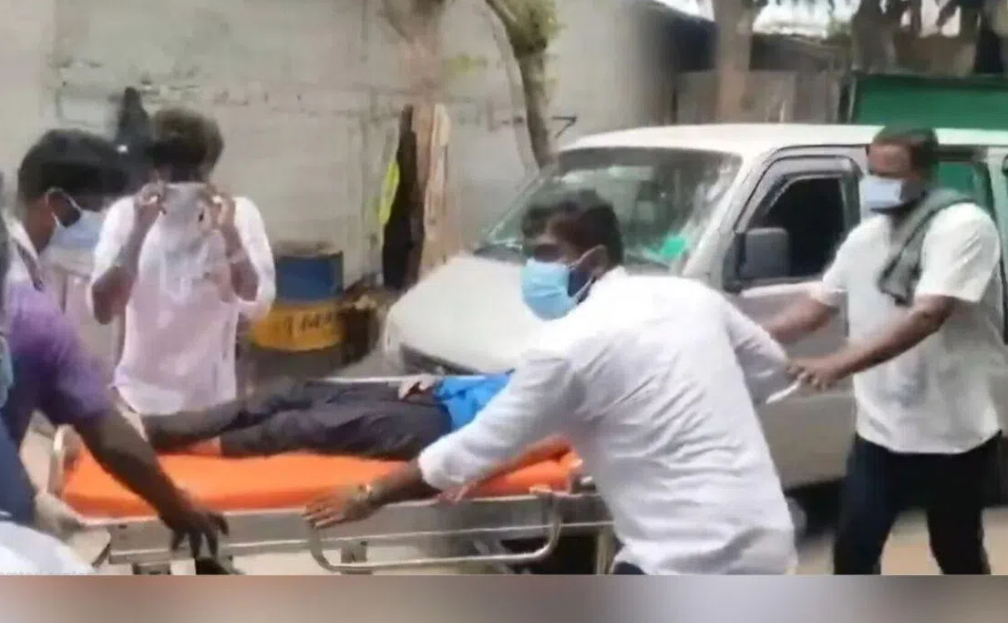
An industrial disaster unfolded at a seafood export processing facility near Periyapalayam village in Tamil Nadu's Thiruvallur district on Sunday when a suspected ammonia gas leak claimed at least six lives and left many others battling severe respiratory complications. The incident, which struck without warning at the operational unit, has reignited concerns about workplace safety standards in India's seafood processing sector, an industry that employs thousands of migrant workers across the country.
The tragedy occurred at a moment when approximately 120 migrant workers were present at the facility, a significant portion of whom had travelled from distant states including Assam, Odisha and Jharkhand in search of employment. These workers, many of them women from underprivileged backgrounds, found themselves suddenly exposed to a toxic gas that authorities have linked to either the unit's refrigeration system or its processing equipment. The speed at which the ammonia dispersed through the facility left little time for workers to seek shelter or protective measures.
The physical toll on those exposed proved immediately apparent and distressing. Workers inhaled the gas and experienced acute symptoms including severe breathing difficulties, dizziness and pronounced irritation of their respiratory systems. Among the most alarming signs were reports of bleeding from the mouths and noses of several workers, a development that underscored the potency of the exposure and the severity of their injuries. Some workers collapsed on the premises as the gas continued to spread, requiring immediate assistance from colleagues and eventual rescue personnel.
The sequence of events that followed the initial leak exposure descended into chaos as panicked workers attempted to flee the contaminated area. Many rushed towards exits in desperate search of fresh air and safety, while others who had inhaled significant quantities of the toxic gas became incapacitated. The confusion that gripped the facility during these critical moments emphasised the lack of coordinated emergency protocols that workers could rely upon.
Response teams mobilised rapidly once the emergency was reported. Police personnel, local administrative officials and emergency response services converged on the site to initiate rescue operations. The affected workers were transported to nearby hospitals where medical teams began treating them for acute inhalation injuries and related complications. Medical staff noted that several patients were admitted to intensive care units, their conditions deemed critical enough to warrant continuous monitoring and advanced life support measures where necessary.
Chief Minister C. Joseph Vijay issued directives immediately following the incident, instructing government agencies to ensure that all hospitalised workers received comprehensive medical care without delay. His response included orders to establish accountability mechanisms, leading to the creation of a three-member inquiry committee tasked with examining what had gone wrong at the facility. The chief minister stipulated that this committee complete its investigation and submit detailed findings within a 24-hour window, signalling the urgency with which state authorities were treating the matter.
The inquiry committee has been directed to scrutinise multiple aspects of the facility's operations, particularly its safety protocols and maintenance procedures. Investigators will need to determine whether proper safety standards had been implemented, whether workers had received adequate training in emergency response procedures, and whether maintenance of the refrigeration or processing systems had been conducted according to regulatory requirements. The investigation will also assess whether the facility held all necessary certifications and permissions to operate, and whether regular safety inspections had been carried out.
Police have registered a formal case in connection with the incident, indicating that potential criminal liability is being explored alongside the administrative inquiry. Further investigations are advancing on multiple fronts, with officials working to establish a clear timeline of events and identify those responsible for any lapses in safety management. Particular focus is being placed on whether the facility violated industrial safety regulations that are meant to protect workers in hazardous environments.
For Malaysian readers, this tragedy carries particular resonance given the significant presence of Indian migrant workers in Malaysia's own manufacturing and processing sectors. The incident raises uncomfortable questions about the vulnerability of migrant workers across South Asia, many of whom lack adequate knowledge of their rights, access to proper safety training, or the ability to refuse dangerous working conditions for fear of losing employment. The case demonstrates how industrial accidents disproportionately affect workers from economically disadvantaged backgrounds who migrate across borders seeking income opportunities.
The seafood processing industry, a major economic contributor to Tamil Nadu and other parts of India, has historically faced scrutiny over workplace safety standards. Many facilities in this sector operate with minimal investment in worker protection infrastructure, and enforcement of safety regulations remains inconsistent across different states and facilities. This incident will likely prompt renewed calls for stricter oversight and standardised safety protocols across the Indian seafood export industry.
For Southeast Asian countries, including Malaysia, which host large numbers of Indian migrant workers and import seafood products from Indian suppliers, the incident underscores the importance of supply chain transparency and corporate responsibility. Consumers and businesses increasingly demand assurance that products are manufactured under safe and ethical conditions. This tragedy may influence discussions about international labour standards and the obligations that governments and businesses bear towards migrant workers employed in their jurisdictions or supply chains.

