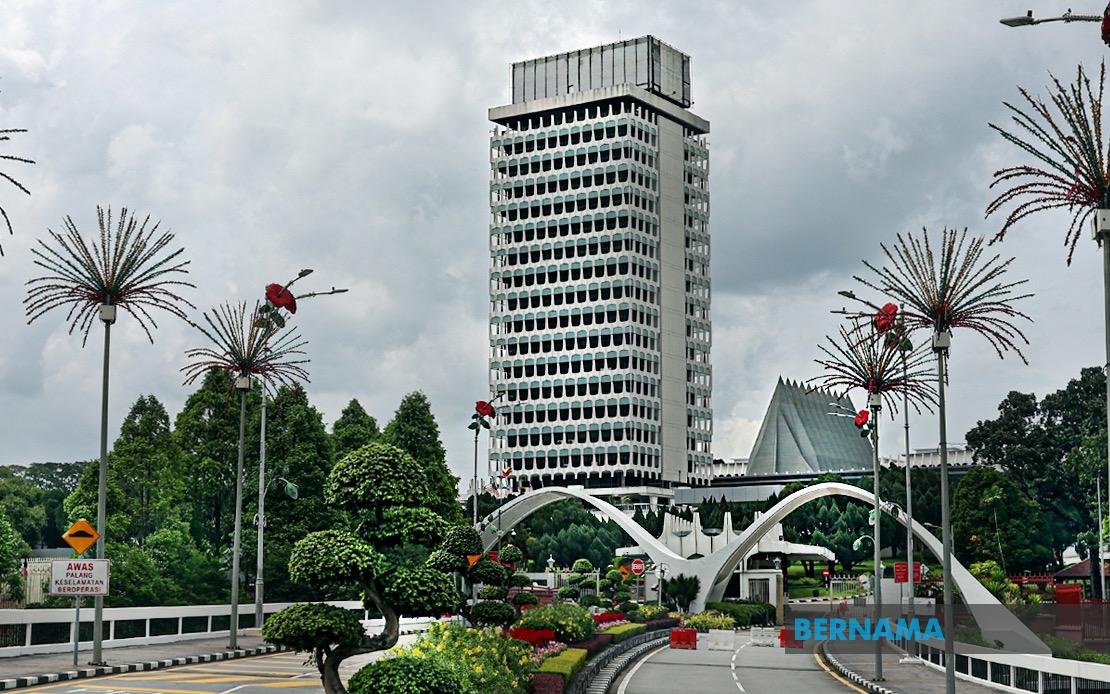
Lawmakers achieved modest progress in their first week of parliamentary sitting, passing only the Road Transport (Amendment) Bill 2026 as debate and deliberation extended across the lower house. The solitary piece of legislation cleared represents a cautious opening to the Second Meeting of the Fifth Session of the 15th Parliament, which began on June 22 and will run until July 16.
Transport Minister Anthony Loke framed the road transport measure as a significant step forward in public safety enforcement. The Bill introduces Section 42A, a legal provision designed to enable authorities to take action against illegal street racing activities before an accident, injury, or fatality occurs. This addresses a long-standing enforcement challenge that required officials to document actual harm or prove imminent danger—a high evidentiary bar that frequently allowed dangerous drivers to evade serious consequences until lives were lost.
The amendment effectively eliminates a legal grey area that frustrated enforcement officers across Malaysia's traffic divisions. Previously, the absence of documented injury or death made prosecution difficult, meaning dangerous racing activities could continue unchecked unless authorities could establish specific elements of risk. Loke's ministry views the new provision as a preventative tool, one that shifts the burden of proof away from demonstrating harm after the fact.
Looking forward, Loke signalled his ministry's intention to introduce further amendments to the Road Transport Act (Act 333) by year's end. These measures would establish a compensation scheme for victims of accidents caused by alcohol or drug-impaired drivers, or for the families of those killed. This addition would sit alongside existing penalties of fines and imprisonment, creating a more comprehensive deterrent framework and providing financial recourse to victims—an approach increasingly adopted in neighbouring jurisdictions facing similar road safety challenges.
While lawmakers cleared one bill, several pieces of legislation faced obstacles to passage. The Prison (Amendment) Bill 2026, which addresses electronic monitoring systems for inmates and volunteers in rehabilitation initiatives, was postponed and remitted to the Parliamentary Select Committee for additional scrutiny. This decision reflects the committee system's increasingly assertive role in vetting complex criminal justice legislation before it reaches the full chamber.
Four additional bills received their initial reading but advanced no further this week. The Sexual Offences Against Children (Amendment) Act 2026, Competition (Amendment) Bill 2026, Competition Commission (Amendment) Bill 2026, and the Cybercrime Act 2026—which would repeal the Computer Crimes Act 1997—now await further parliamentary consideration. The Cybercrime legislation is particularly significant for Malaysia's digital ecosystem, as it seeks to modernise two-decade-old criminal law governing computer-related offences.
Parliamentary leadership confirmed administrative changes affecting the opposition benches. Speaker Tan Sri Johari Abdul announced that Larut MP Datuk Seri Hamzah Zainudin has been reinstated as opposition leader effective June 18. Additionally, the casual vacancies created by the May 18 resignations of Datuk Seri Rafizi Ramli (Pandan) and Nik Nazmi Nik Ahmad (Setiawangsa) have been formally notified to the Election Commission, triggering the machinery for by-elections under Article 54(1) of the Federal Constitution.
Minister's Question Time, ordinarily chaired by Prime Minister Datuk Seri Anwar Ibrahim, instead proceeded with responses from portfolio ministers as the premier managed competing governmental obligations elsewhere. This arrangement underscores the demands on the prime minister's schedule and represents a routine parliamentary flexibility. The chamber devoted additional time to presentations and debates from Parliamentary Select Committees, reinforcing Parliament's gradual empowerment of these investigative and deliberative bodies.
Employment remained contentious throughout parliamentary exchanges. Human Resources Minister Datuk Seri R. Ramanan disclosed that 42,807 workers faced retrenchment between January and June 12, with corporate closures and workforce reductions cited as primary causes. The figure, while significant, requires contextualisation within Malaysia's broader labour market dynamics. Economy Minister Akmal Nasrullah Mohd Nasir offered reassurance, noting that job losses during June fell 20 per cent compared to May, and that labour force participation remained steady at 70.9 per cent, suggesting underlying economic resilience despite sectoral disruptions.
Home Minister Datuk Seri Saifuddin Nasution Ismail outlined investments in border security capacity, announcing government approval for RM22 million to furnish the Malaysia Border Control and Protection Agency with firearms and necessary operational equipment. This allocation reflects heightened attention to Malaysia's terrestrial and maritime boundaries amid regional security concerns and transnational trafficking challenges.
Energy transition and commodities policy dominated discussions on supply-chain resilience. The Ministry of Plantation and Commodities indicated it would assess whether rolling out B50 biodiesel remains economically viable, given that existing blending infrastructure would require substantial capital expenditure to accommodate the higher-blend specification. This signals continued caution surrounding renewable fuel targets amid cost pressures.
Communications Minister Datuk Fahmi Fadzil drew parliamentary focus to digital child protection, noting that the Child Protection Code and Risk Mitigation Code, effective June 1, mandate age-verification mechanisms for social media platforms. Non-compliant platforms face penalties reaching RM10 million under the Online Safety Act 2025, positioning Malaysia at the forefront of regulatory enforcement among Southeast Asian nations. This legislation reflects global anxiety about children's exposure to harmful digital content and the enforcement challenges platforms face in implementing technological safeguards at scale.

