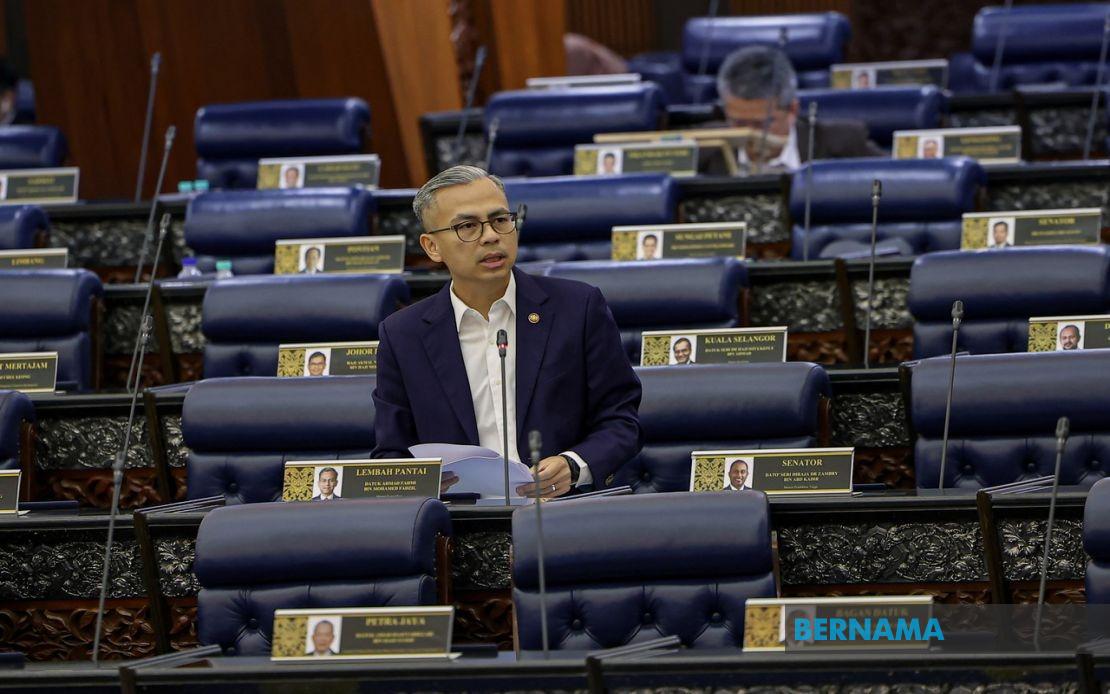
Malaysia is tightening enforcement mechanisms to ensure social media platforms comply with mandatory age-verification requirements, with Communications Minister Datuk Fahmi Fadzil warning of substantial financial consequences for non-compliant services. Speaking in the Dewan Rakyat on June 24, Fahmi outlined the penalty structure established under the Online Safety Act 2025 (Act 866), making clear that the government intends to move beyond engagement into active regulation of digital platforms operating within Malaysian jurisdiction.
Under Part III of Act 866, the Malaysian Communications and Multimedia Commission (MCMC) possesses enforcement authority to compel compliance from licensed service providers. Platforms that receive notices of non-compliance face two options: either pay the prescribed penalty or lodge formal representations with MCMC for reconsideration. This framework creates a structured compliance pathway while maintaining regulatory discretion to consider platform-specific circumstances. The financial stakes are substantial—violations of age-verification requirements can result in penalties reaching RM10 million, a significant amount designed to create genuine commercial incentive for compliance among major technology companies.
Beyond the RM10 million civil penalty structure, the legislation provides additional punitive measures through criminal sanctions. Section 30 of Act 866 empowers MCMC to issue written directives to licensed providers concerning compliance with any legislative provision. Failure to adhere to such directives constitutes a criminal offence, with convicted platforms facing fines up to RM1 million plus daily penalties of RM100,000 for each day the violation persists following conviction. This escalation from administrative penalties to criminal liability creates a multi-layered deterrent system and reflects the government's determination to enforce age-verification standards with teeth.
The Malaysian initiative reflects international momentum toward protecting minors on social platforms. More than 25 countries have already implemented or are implementing comparable age-verification requirements, positioning Malaysia within a growing global consensus regarding digital child safety. Fahmi emphasised this international context to underscore that Malaysia's approach aligns with established regulatory practice elsewhere, potentially heading off arguments that local requirements are unusual or burdensome. The government has signalled it is not acting alone or requiring standards that lack international precedent.
Implementation discussions between government and platforms have been underway since January 2025, conducted through a regulatory sandbox framework designed to facilitate dialogue rather than impose unilateral mandates. Over 30 engagement sessions have taken place either collectively among platform representatives or individually with specific companies. This extended consultation period suggests the government recognises that age verification presents genuine technical and operational challenges that cannot be resolved through regulation alone. Different platforms operate distinct business models and face varying technical constraints, and the regulatory sandbox approach attempts to account for this heterogeneity.
Yet the shift from engagement to enforcement signals that the negotiation phase has concluded. By announcing specific penalty amounts and enforcement timelines in Parliament, the government has effectively set a deadline for voluntary compliance. Platforms that have participated in sandbox discussions now face explicit consequences for non-compliance, transforming the engagement framework from a collaborative exploration into a structured compliance requirement. This transition from soft persuasion to hard enforcement is a common regulatory pattern—initial consultation establishes reasonableness and technical feasibility, while subsequent penalties ensure uptake.
The timing and substance of Fahmi's parliamentary statement reveal strategic communication priorities. By responding to a specific parliamentary question, the minister provided authoritative legal guidance while using the legislative platform to signal compliance expectations to platform operators and domestic audiences simultaneously. This approach combines legal precision with public communication, ensuring that platforms understand both the formal requirements and the political commitment behind them.
For Malaysian users and civil society advocates concerned with online child safety, the announcement represents a concrete policy response to documented harms. Young users' exposure to inappropriate content, predatory behaviour, and developmental risks associated with excessive platform use have generated sustained concern among parents, educators, and policymakers. Age verification mechanisms, while imperfect and raising privacy questions, represent a direct administrative response to these documented problems. The enforcement structure provides assurance that companies cannot simply ignore requirements without facing significant financial consequences.
However, the framework also raises implementation complexities that remain partially unresolved. Age verification technology itself presents technical, privacy, and accessibility challenges. Whether platforms will implement biometric verification, government ID integration, or alternative methods remains unclear. Each approach involves different privacy implications for Malaysian users. The regulatory sandbox discussions likely addressed these technical questions, but public information about the government's position on specific verification methodologies remains limited, leaving potential ambiguity about what constitutes acceptable compliance.
Regionally, Malaysia's enforcement approach may influence other Southeast Asian nations considering similar legislation. As countries across the region grapple with online safety regulation, Malaysia's willingness to implement substantial financial penalties sends a signal that age-verification requirements represent serious regulatory commitments rather than advisory guidelines. This regional demonstration effect could accelerate comparable legislative developments in neighbouring jurisdictions, gradually establishing an ASEAN-wide norm for age verification and digital child protection.
The enforcement structure also raises questions about regulatory capacity. MCMC must develop expertise in monitoring platform compliance, interpreting technical claims about verification implementation, and investigating violations. Whether the commission possesses sufficient staffing and technical expertise to enforce these requirements effectively at scale remains an open question. Regulatory frameworks are only as effective as their implementation capacity, and Malaysia's success in achieving genuine age verification will depend partly on MCMC's ability to translate statutory authority into functioning oversight.
Looking forward, platforms operating in Malaysia face clear compliance obligations backed by escalating penalties. The six-month engagement period through the regulatory sandbox framework appears to have concluded, with the government now moving into enforcement mode. Companies that have delayed implementation or resisted age-verification requirements face mounting pressure to operationalise systems before MCMC begins issuing non-compliance notices. The RM10 million penalty ceiling provides a significant financial motivation for change, particularly for platforms already operating under regulatory pressure in other markets regarding digital safety and minor protection.

