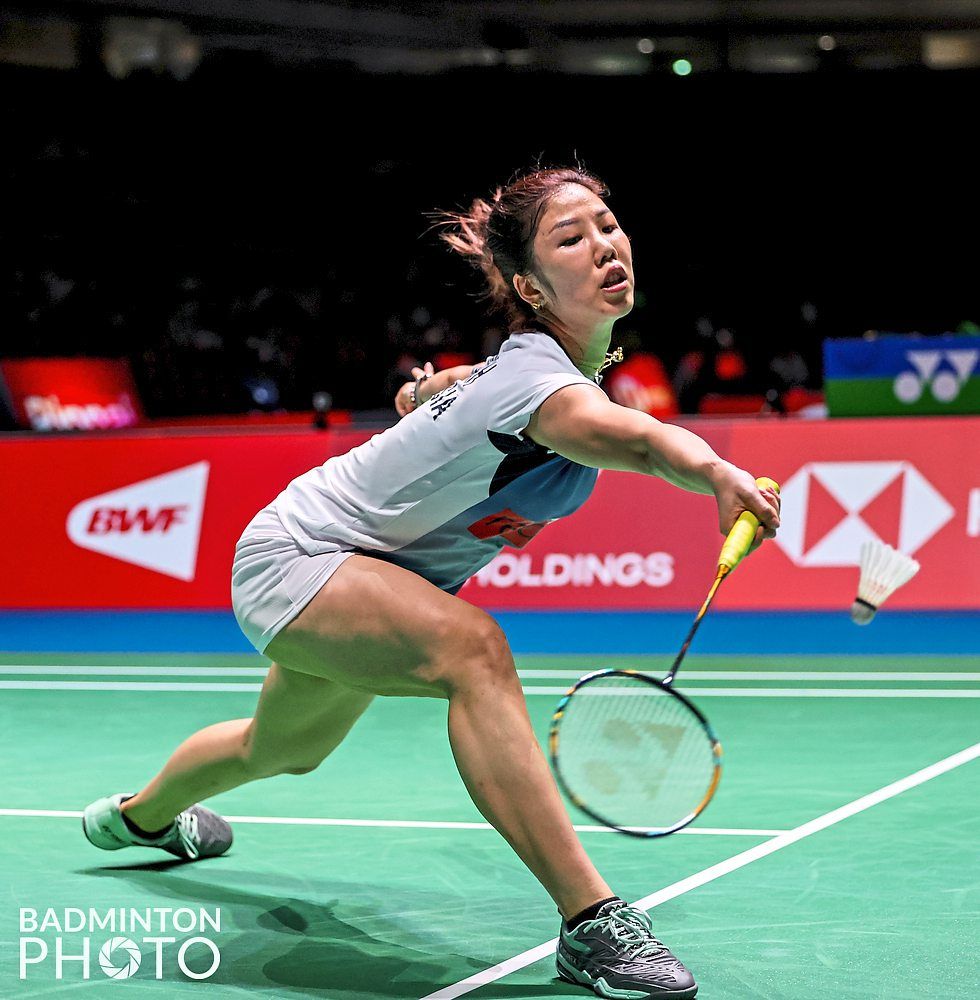
Kuala Lumpur's badminton administration has experienced an unexpected shake-up with the sudden resignation of Soniia Cheah from her position as sports director at the Kuala Lumpur Badminton Association. The departure, effective from Wednesday, marks an abrupt end to what was expected to be a year-long tenure, cutting short barely four months of service in the role she assumed in February.
Cheah, 33, declined to provide specific details regarding the circumstances leading to her decision, though she made clear that the choice had not come lightly. Her statement suggested deeper concerns within the organisational structure rather than surface-level disagreements, indicating that her departure reflects substantive differences in approach and values rather than personal conflict with any individual.
In her formal comments, the former shuttler emphasised that her resignation stemmed from a fundamental disconnect between the association's operational practices and her personal convictions as a former elite athlete. She articulated that continuing in the role would have required her to compromise principles she holds dear—a line she was unwilling to cross. This framing suggests systemic rather than interpersonal issues at play within the KLBA management structure.
Cheah's background as Malaysia's top-ranked women's singles player and Olympic representative at Tokyo lends particular weight to her concerns. Someone with her competitive pedigree and international experience would possess the credibility and perspective to evaluate whether an organisation's practices align with the standards expected in elite badminton administration. Her willingness to resign rather than accept questionable practices demonstrates a commitment to integrity that transcends career considerations.
The timing of her departure carries implications for the KLBA's development programmes, particularly its junior development initiatives. Cheah's final engagement with the Kuala Lumpur squad involved overseeing participation in the Affin 100Plus Junior Elite Tour Finals held at Stadium Juara in Bukit Kiara the previous week. This concluding assignment suggests she maintained focus on her responsibilities through to the end of her tenure, despite internal reservations building throughout her time in post.
For Malaysian badminton stakeholders, Cheah's exit raises questions about governance and operational culture within one of the country's major state associations. The KLBA administers badminton development in Malaysia's capital and represents a significant feeder programme for national teams. When experienced former players with genuine knowledge of what elite badminton requires find the environment untenable, it signals potential issues requiring institutional attention and corrective action.
Cheah's hope that her resignation might catalyse internal reflection and reform at the KLBA suggests she views this step not as a personal escape but as a form of advocacy for the players and the sport itself. By stepping away publicly rather than simply accepting the situation, she draws attention to concerns that might otherwise have remained internal, potentially prompting board-level scrutiny of practices and policies affecting athlete development.
The former player's career trajectory provides context for her principled stand. She retired in 2022 following a long and ultimately career-ending battle with an Achilles tendon injury—a reminder that athletes' contributions extend well beyond their playing years. Her subsequent appointment as sports director represented a natural career progression, offering the chance to contribute to the sport through administrative and developmental work. That she chose to exit rather than continue suggests the compromises involved were genuinely significant.
For younger badminton players in Kuala Lumpur and across Malaysia, the immediate impact involves losing an administrator who could relate directly to their challenges and aspirations. Cheah's experience as a national player and Olympic competitor positioned her to provide mentorship grounded in firsthand knowledge of what competitive excellence demands. Her departure removes that perspective from KLBA decision-making, at least temporarily.
The broader Malaysian badminton ecosystem also faces questions about whether similar issues might exist within other state associations or at the national level. If governance concerns prompted Cheah's exit from KLBA, stakeholders may wonder whether comparable problems affect badminton administration elsewhere in the country. This incident may serve as a catalyst for wider institutional review across badminton governance structures.
Cheah's expression of gratitude toward the players she worked with during her brief tenure reflects her continued commitment to the sport and the next generation of athletes. This emotional connection, combined with her decision to resign on principle, positions her resignation as a statement about what she believes Malaysian badminton should aspire to rather than a simple employment termination. The broader badminton community may yet benefit from her advocacy, even outside formal administrative roles.

