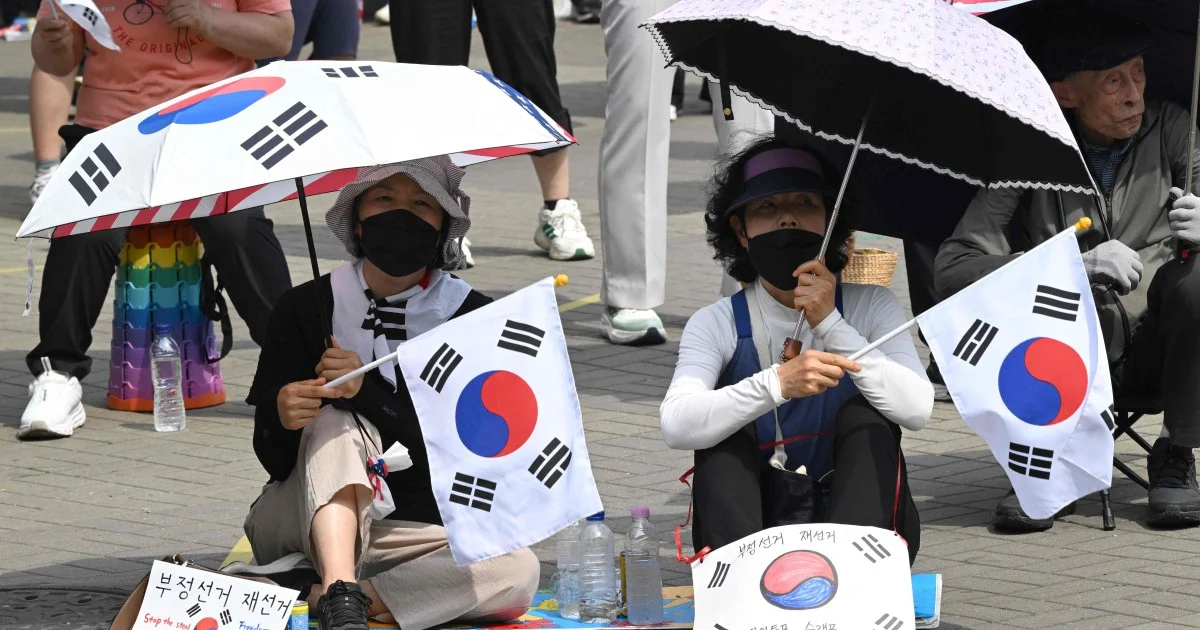
South Korea's parliament has opened a formal 45-day investigation into the National Election Commission, prompted by the ballot paper shortages that created considerable disruption during the June 3 local elections. The decision was approved at a parliamentary plenary session on Thursday, signalling serious concerns among lawmakers about how the country's principal electoral body managed voting logistics for what was meant to be a smooth democratic exercise.
The incident has reignited long-standing debates about South Korea's electoral infrastructure and the competency of institutions responsible for organizing national and local polling. For a nation that prides itself on robust democratic processes and technological sophistication, the failure to ensure adequate ballot supplies represents an embarrassing administrative oversight. The investigation reflects broader parliamentary frustration with what many view as organisational mismanagement at a critical government agency.
Ballot shortages during voting are particularly problematic in South Korea, where simultaneous elections can draw millions of voters and create complex logistical demands. The June 3 event involved simultaneous local government elections across multiple jurisdictions, each requiring precise calculation of ballot quantities based on projected voter turnout. When estimates fall short and printing cannot be rapidly adjusted, voters face queues and potential disenfranchisement—exactly what unfolded on election day.
The 45-day probe will focus on identifying how the National Election Commission miscalculated ballot requirements, whether supply chain disruptions contributed to the shortage, and what systemic weaknesses allowed the problem to materialize without contingency measures being activated. Lawmakers will also examine whether internal warning systems functioned properly and whether officials communicated the emerging crisis adequately to voters and poll monitors.
From a regional perspective, this incident carries implications for Southeast Asia's democratic institutions. While South Korea remains a mature democracy with far more developed electoral systems than many neighboring countries, this episode demonstrates that even well-resourced nations face operational challenges. For Malaysia and other regional democracies working to strengthen electoral confidence, the South Korean experience offers cautionary lessons about the importance of robust logistics planning and real-time crisis management capabilities.
The National Election Commission faces mounting pressure to demonstrate that the shortage was an isolated operational failure rather than evidence of systemic dysfunction. The agency must provide detailed explanations of its contingency planning, staffing decisions, and supplier relationships. If the investigation reveals negligence or cost-cutting measures that compromised ballot preparation, consequences for senior officials appear inevitable.
South Korean opposition parties have seized on the incident as evidence of administrative incompetence, while the ruling party faces uncomfortable questions about whether proper oversight mechanisms existed. This parliamentary investigation represents a check on executive-controlled institutions, demonstrating that even election bodies—traditionally viewed as impartial, technical entities—remain subject to legislative scrutiny when performance falters.
The broader context involves growing voter frustration with election-day delays and perceived operational inefficiency. In democracies across Asia and globally, confidence in electoral administration depends on seamless execution and transparent processes. When voters encounter physical obstacles to casting ballots, whether through inadequate ballot supplies, polling place access issues, or verification delays, trust in democratic institutions erodes regardless of the underlying cause.
The investigation will likely result in recommendations for procedural reforms, including enhanced demand forecasting, expanded contingency ballot printing agreements with suppliers, and clearer protocols for managing mid-election shortages. The National Election Commission will probably increase its buffer stock calculations and establish faster emergency mobilization procedures for future elections.
For Malaysian observers, the South Korean case underscores the perpetual tension between electoral efficiency and democratic accessibility. While rapid voting processes are important, guaranteeing that every eligible voter can cast a ballot without excessive delay matters more. The challenge for the South Korean National Election Commission—and for election administrators throughout Southeast Asia—involves building systems that balance operational efficiency with absolute reliability.
The parliamentary probe represents necessary institutional accountability. Although the June 3 election outcome was not invalidated and voting ultimately proceeded despite delays, the fact that such disruptions occurred at all justifies rigorous investigation. South Korea's willingness to scrutinize even ostensibly technical agencies demonstrates democratic maturity, though the underlying incident suggests room for institutional improvement.
As South Korea completes its investigation over the coming weeks, the findings and subsequent reforms will likely influence how other democracies approach election administration challenges. The incident reminds policymakers that electoral success depends on meticulous planning, adequate resource allocation, and genuine commitment to removing barriers to voting. For a nation that values its democratic credentials, these lessons carry particular weight.

