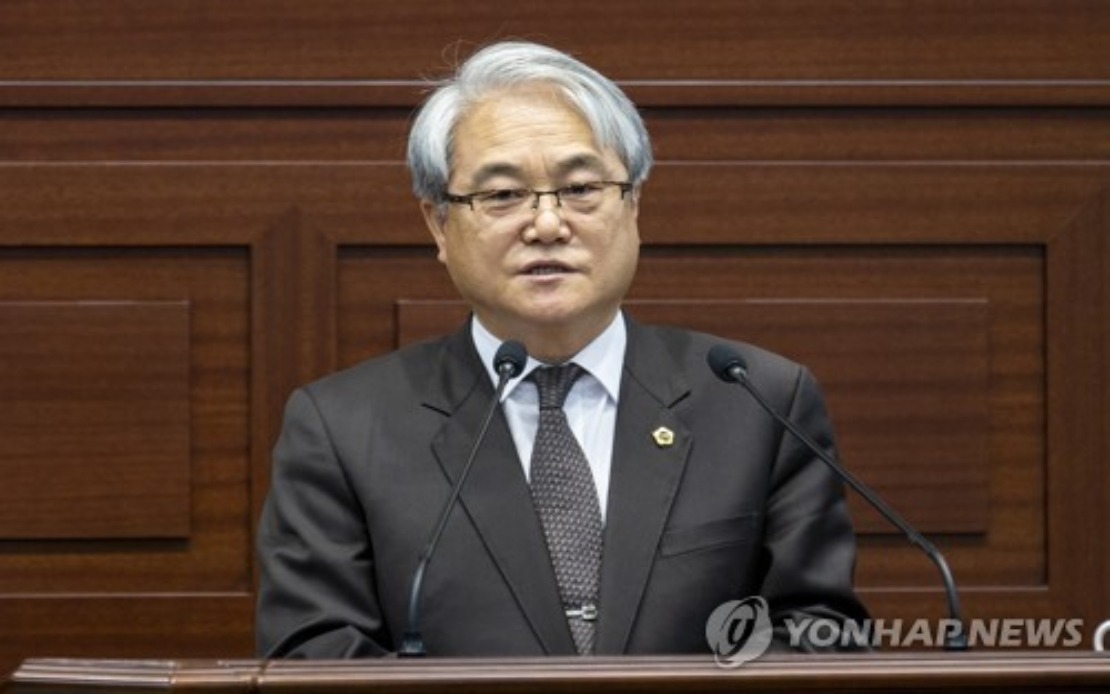
The body of Kim Ha-soo, who previously served as chief of Cheongdo County in South Korea's southeast region, was discovered on a mountain early Monday morning by rescue teams. The discovery marks a dramatic turn in an unfolding corruption scandal that has exposed the depths of alleged malfeasance within local government administration. A handwritten note was recovered alongside Kim's body, though authorities have declined to reveal its contents, fuelling speculation about the circumstances surrounding his death.
Kim's tenure as county chief, which lasted from 2022 until earlier this year, has become mired in serious allegations of misconduct. The former official was under active investigation for allegedly accepting bribes from a public servant in return for facilitating a career promotion. The bribery charges represent one of the most serious accusations levelled against him, striking at the heart of questions about how merit-based advancement within South Korea's civil service has been compromised by illicit financial arrangements. Such allegations, if proven, would undermine public confidence in the integrity of government hiring and promotion processes.
The investigation's scope extended beyond the bribery allegations. Prosecutors had referred Kim for a separate criminal matter involving an alleged break-in at the residence of a nursing home director in January. The home invasion charge suggests a pattern of behaviour that raised concerns about his judgment and impulse control while holding public office. This additional allegation complicates the narrative around his actions and indicates that the corruption probe encompassed multiple dimensions of potential wrongdoing.
The investigation took another tragic turn when a man suspected of being the intermediary in delivering the alleged bribe was found dead previously. The death of this individual, whose role appeared instrumental in facilitating the corrupt transaction, removed a key witness from the case and prevented prosecutors from obtaining direct testimony about the nature and extent of the scheme. This loss of a primary witness has inevitably complicated the investigative process and limited the prosecutorial evidence available.
The incident highlights persistent challenges within South Korean governance structures regarding corruption and accountability. Despite decades of anti-corruption reforms and institutional frameworks designed to prevent such misconduct, local government officials continue to face temptation and opportunity to exploit their positions for personal gain. The case of Kim Ha-soo exemplifies how corruption at the municipal level operates through networks of complicity and quid pro quo arrangements that undermine the meritocratic principles essential to functional governance.
For Malaysian observers, the case offers instructive parallels regarding the importance of maintaining robust anti-corruption mechanisms at all levels of government. Both South Korea and Malaysia have experienced high-profile corruption scandals involving public officials, and both nations have struggled to balance swift investigation with protection of individual rights. The emphasis South Korean authorities place on active investigation and prosecution of public sector corruption, even when it involves prominent figures, reflects institutional commitment to accountability that warrants consideration within Southeast Asian governance discussions.
The apparent conclusion to Kim's case, whether intentional or otherwise, raises complex questions about justice, accountability, and the resolution of corruption allegations. In jurisdictions across East and Southeast Asia, cases of officials facing serious charges sometimes end abruptly through death or disappearance, preventing full legal proceedings and public closure. This outcome denies both the judicial system and the public the clarity that transparent court proceedings would provide, leaving questions about the full extent of wrongdoing unanswered.
Local government corruption remains a significant concern across East Asia, often escaping the public attention directed toward scandals at national level. County and municipal officials wield considerable power over development projects, regulatory decisions, and personnel matters, creating opportunities for corruption. In Cheongdo specifically, the alleged scheme involving promotion-for-payment arrangements demonstrates how systematic such arrangements can become when adequate oversight fails.
The case also underscores vulnerabilities within South Korea's public service system regarding conflict of interest and transparent decision-making processes. While the nation has implemented sophisticated anti-corruption legislation and established specialized investigative bodies, the investigation into Kim's conduct suggests that implementation gaps remain. The ability of local officials to solicit and accept bribes in exchange for career advancement indicates that internal controls and audit mechanisms within local government bodies require strengthening.
For the public administration systems across Southeast Asia, including Malaysia, the incident serves as a cautionary reminder about the perpetual challenge corruption presents. Building institutional resilience against such misconduct requires not only legal frameworks and investigative capacity, but also fostering ethical organisational cultures where wrongdoing is quickly identified and reporting mechanisms are credible and protected. The tragedy surrounding Kim Ha-soo's death illustrates the ultimate cost such scandals exact on individuals, institutions, and public trust in government.

