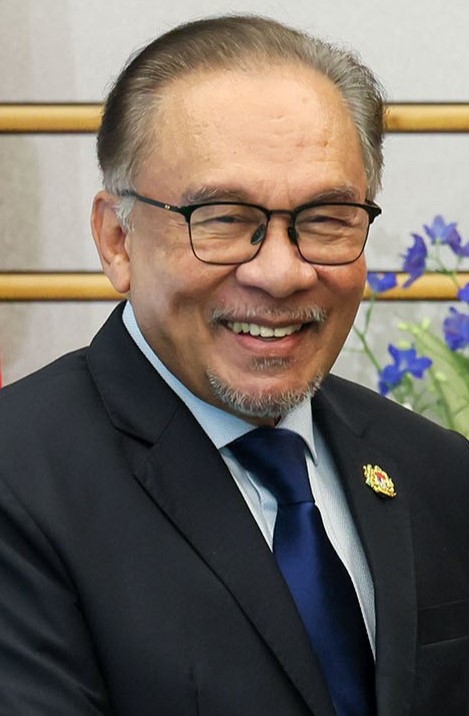
Jose Luis Abalos, who once served as transport minister and was among the closest aides to Spanish Prime Minister Pedro Sanchez, has been handed a 24-year prison sentence by a Madrid court for corruption offences. The lengthy custodial term reflects the severity with which Spanish judges view abuse of power at the highest levels of government, sending a stark warning about the consequences of malfeasance in state institutions.
The conviction of Abalos carries considerable political weight in Spain, where corruption scandals have periodically shaken public confidence in governance structures. His proximity to Sanchez and role in the transport ministry—a sector often vulnerable to illicit dealings—underscores how graft can penetrate even the inner circles of executive authority. The judicial determination to pursue and prosecute such cases, regardless of a defendant's previous standing, demonstrates the independence of Spain's court system in confronting governmental misconduct.
Abalos held the transport portfolio during a period when Spain was undertaking significant infrastructure projects and transport policy reforms. The circumstances surrounding his conviction likely involve allegations of misusing his ministerial position for personal gain or allowing corrupt practices within his department. Such misconduct, when uncovered and prosecuted, often necessitates sweeping reviews of departmental procedures and renewed emphasis on transparency measures within government agencies.
For Malaysia and other Southeast Asian nations grappling with corruption challenges, the Spanish case offers instructive lessons about judicial independence and institutional accountability. While each country operates within its own legal and political frameworks, the principle that no official—regardless of rank or proximity to power—remains beyond the reach of law remains universally relevant. Courts in the region that demonstrate similar resolve in tackling white-collar corruption reinforce public trust in democratic institutions and the rule of law.
The 24-year sentence is substantial by international standards, particularly for corruption cases. Such determinations reflect evolving judicial attitudes toward governance crimes, viewed increasingly not merely as individual lapses but as breaches of public trust that warrant considerable punishment. This approach may influence how prosecutors and judges throughout Europe and beyond calibrate sentencing in similar cases, establishing precedent for meaningful deterrence through the criminal justice system.
Spain's handling of the Abalos case reflects broader European Union efforts to strengthen anti-corruption enforcement. Member states face increasing pressure to demonstrate robust mechanisms for investigating and prosecuting officials involved in graft, both to satisfy internal constituencies and to meet EU standards for institutional integrity. The conviction signals that Spain takes these obligations seriously, even when the accused occupies or occupied positions of considerable influence.
The judgment also raises questions about whether systemic failures within the transport ministry enabled Abalos's alleged misconduct, or whether the corruption was more narrowly confined to his personal actions. Either scenario would necessitate institutional reforms—whether broader procedural overhauls or targeted improvements in internal controls and oversight. Government accountability extends beyond individual prosecutions to encompassing the structures that either enabled or failed to prevent wrongdoing.
For the Sanchez government, the conviction of a former close associate presents a complex political and reputational challenge. While the judicial independence that allows such prosecutions is itself a sign of institutional health, the proximity of the convicted official to the prime minister inevitably invites scrutiny regarding government culture and the vetting of advisers. How administrations respond to such revelations—through enhanced transparency measures, internal reforms, or leadership changes—affects public perception of their commitment to ethical governance.
International anti-corruption organisations often highlight Spain as a jurisdiction with reasonably robust enforcement mechanisms, though challenges remain in swiftly investigating and prosecuting corruption cases. The Abalos conviction contributes to evidence that Spanish courts can and do hold senior figures accountable, though observers continue monitoring whether prosecution extends evenly across political affiliations and whether systemic impediments slow investigations involving influential individuals.
The sentence's enforcement will likely proceed through Spain's appeal process, during which the defence may challenge the conviction or severity of the punishment. Such appellate review is standard in European systems and provides additional safeguards against wrongful conviction. However, the initial judgment stands as a formal condemnation of Abalos's conduct and a declaration by the judiciary that corruption at ministerial level attracts severe consequences.
For emerging democracies in Southeast Asia, particularly those transitioning toward stronger institutional checks on executive power, the Spanish precedent underscores the importance of establishing independent judiciaries insulated from political pressure. When courts demonstrate ability and willingness to prosecute corruption involving government officials—especially those with recent access to power—the signal reverberates throughout society, potentially encouraging greater civic participation and higher expectations for ethical public service.