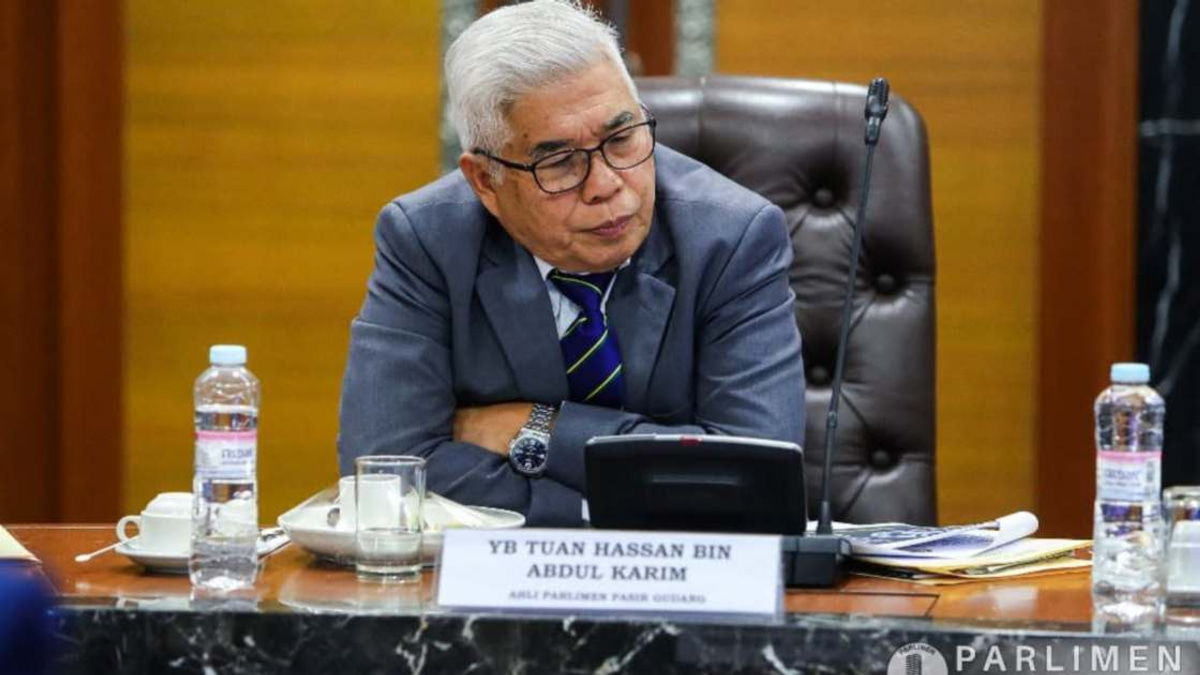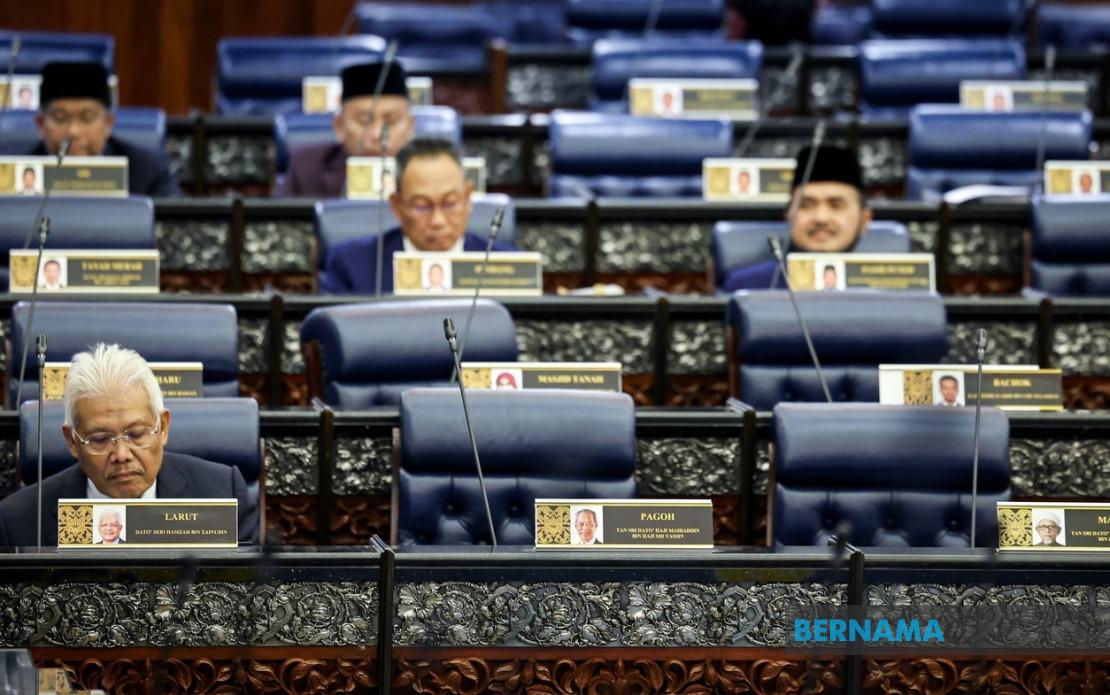
Dewan Rakyat Speaker Tan Sri Dr Johari Abdul has officially confirmed the receipt of notification regarding Larut MP Datuk Seri Hamzah Zainudin's appointment as opposition leader, marking a formal endorsement of a leadership transition that has been gradually taking shape over recent months. The Speaker's acknowledgement, communicated through media briefings, underscores the parliamentary recognition of Hamzah's role within the opposition ranks and aligns with announcements made at the Reset Malaysia Convention, where PAS president Tan Sri Abdul Hadi Awang publicly stated that Hamzah had reassumed his duties in this capacity.
The confirmation arrives as Parliament prepares for significant logistical adjustments ahead of the Second Meeting of the Fifth Session of the 15th Parliament, which will run from June 22 through July 16. These changes encompass not merely administrative reshuffling but reflect broader political realignments within the chamber, signalling shifts in how opposition parties have reorganised their legislative positioning and leadership hierarchy after months of internal negotiations and strategic repositioning.
Among the most notable adjustments is the relocation of Pagoh MP and Bersatu president Tan Sri Muhyiddin Yassin, who has been assigned seating in Block E of the Dewan Rakyat following a personal request. This movement represents a departure from previously occupied positions and suggests evolving dynamics within Muhyiddin's political standing and his relationship with the broader opposition coalition. The revised seating arrangement, detailed on Parliament's official website as updated on June 19, demonstrates Parliament's responsiveness to MPs' individual circumstances whilst maintaining the institutional framework of legislative organisation.
Hamzah's position as opposition leader, however, remains firmly anchored in the opposition front bench, preserving the symbolic prominence and visibility that the role demands within parliamentary proceedings. His continued placement on the front bench maintains established parliamentary conventions regarding opposition leadership visibility and accessibility, ensuring that his presence commands attention during legislative debates and government accountability sessions. This consistency in seating reflects Parliament's emphasis on maintaining ceremonial and functional continuity even as individual MPs experience repositioning.
The opposition leader sits alongside Kemaman MP and Perikatan Nasional chairman Datuk Seri Dr Ahmad Samsuri Mokhtar, a arrangement that underscores the coalition nature of opposition politics in Malaysia's current Parliament. This proximity on the front bench facilitates coordination between different opposition factions whilst visibly demonstrating unity to Parliament and the watching public. The seating plan thus becomes not merely a logistical matter but a statement about opposition cohesion and the relative standing of key figures within the broader anti-government alliance.
Hamzah's resumption of the opposition leader mantle comes after a period during which his political trajectory underwent considerable scrutiny and adjustment. His formal reinstatement, preceded by PAS's public backing, suggests that opposition parties have resolved internal disputes and consolidated their leadership structure. The timing of the formal confirmation—just as Parliament convenes for an extended session—indicates strategic intent to present a unified and clearly defined opposition presence during what promises to be a substantive parliamentary term.
The broader context of these parliamentary adjustments reflects Malaysia's evolving political landscape, where coalition politics require constant recalibration of roles, positioning, and relationships. Opposition politics in Malaysia has historically struggled with fragmentation, personality-driven divisions, and competing organisational structures. Hamzah's confirmation as opposition leader, backed by formal institutional recognition through the Speaker's acknowledgement, represents an attempt to consolidate opposition parliamentary presence under coherent leadership during a period when government stability itself remains contested.
For Malaysian observers and regional analysts, these arrangements carry significance beyond parliamentary procedure. The opposition's capacity to organise itself coherently, present united leadership, and function as an effective counterweight to government actions directly influences the health of Malaysia's parliamentary democracy. Clear opposition leadership facilitates robust legislative scrutiny, meaningful debate, and the performance of constitutional checks on executive power. Conversely, fragmented opposition presence weakens parliamentary accountability and diminishes the quality of public deliberation on national issues.
The seating arrangements and leadership confirmations also reflect practical considerations regarding parliamentary efficiency and visibility. Opposition leaders require prominent positioning to be heard effectively during debates, to table questions and amendments, and to maintain media visibility that amplifies their political messaging beyond Parliament's walls. Hamzah's maintenance on the front bench ensures his continued ability to perform these functions, whilst Muhyiddin's relocation may reflect either personal preference or broader strategic positioning within opposition dynamics.
Looking ahead to the June 22 commencement of the parliamentary session, these arrangements will set the tone for how opposition politics unfold over the coming weeks. The length of this session—extending through mid-July—will provide substantial opportunity for opposition voices to shape legislative discussions, scrutinise government policies, and advance their political narrative. The clarity of leadership structure that Hamzah's confirmed status provides creates a foundation for organised opposition activity and coordinated legislative strategy.
The Speaker's formal confirmation of Hamzah's status and the associated seating adjustments underscore Parliament's ongoing effort to accommodate Malaysia's complex and fluid political alignments whilst maintaining institutional stability and procedural integrity. These administrative changes, though sometimes appearing technical in nature, carry genuine implications for how opposition politics function and how democratic accountability operates within the legislative chamber. As Malaysia navigates competing political pressures and shifting coalition dynamics, the clarity and formal recognition of opposition leadership assumes heightened importance for the functioning of parliamentary democracy and the representation of alternative political voices.