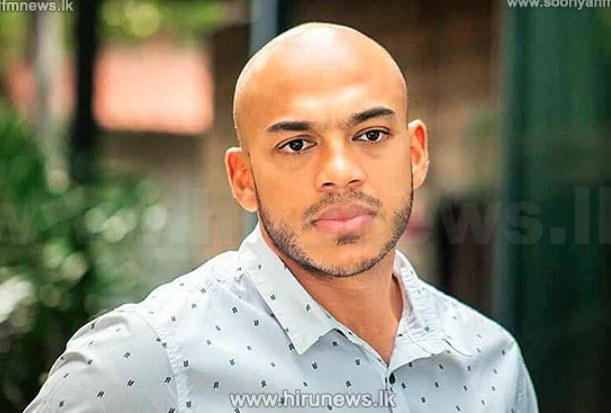
Sri Lanka's Bribery Commission has arrested Yoshitha Rajapaksa, the 38-year-old son of former president Mahinda Rajapaksa, on corruption charges tied to his naval career and government-funded overseas training. The Wednesday detention represents a significant development in the island nation's intensifying crackdown on alleged misconduct within the Rajapaksa political dynasty, a family that wielded extraordinary influence over Sri Lankan affairs for nearly two decades.
Yoshitha Rajapaksa stands accused of advancing through military ranks without meeting the established qualifications necessary for his positions. Investigators allege that he subsequently utilised state resources to fund officer training at Dartmouth, Britain's prestigious naval college, a placement that many observers and critics argue should have gone to a more deserving cadet who had earned the opportunity through merit and examination. The allegations centre on how his rapid ascent within the navy structure coincided with his father's presidency between 2005 and 2015, suggesting potential nepotistic advantages unavailable to other military personnel.
The commission's formal statement emphasised charges of aiding and abetting in connection with unlawful recruitment procedures and the subsequent misappropriation of public funds for overseas education. Yoshitha Rajapaksa had previously been released on bail while facing two separate money-laundering investigations, though he remained subject to a comprehensive foreign travel prohibition that significantly restricted his movements. His arrest marks an escalation from investigative detention to formal criminal proceedings, signalling that prosecutors believe they have compiled sufficient evidence to warrant custodial questioning and potential trial.
The detention occurs within a transformed political environment. Following the 2024 presidential election, Anura Kumara Dissanayake assumed office on an explicit mandate to dismantle the pervasive corruption networks that allegedly characterised previous administrations, particularly those dominated by the Rajapaksa family. This electoral shift has fundamentally altered the political calculus surrounding prosecutions of the former ruling clan, as the new government possesses both the political will and institutional control necessary to pursue cases that might have languished or been shelved under previous leadership.
Yoshitha Rajapaksa additionally confronts separate criminal investigations examining his acquisition of substantial property assets during his father's presidency. He has offered explanations to investigators claiming that gem sales financed the property purchase, asserting that his grandaunt had gifted him precious stones. However, investigators have expressed scepticism, noting that the grandaunt herself cannot adequately account for the origin of these gems, creating a suspicious gap in the documented chain of possession. A third case involves his purchase of a television network, with prosecutors scrutinising whether legitimate income sources supported such a significant commercial acquisition for a serving naval officer.
The Rajapaksa family's fall from power has been remarkably swift and comprehensive. Mahinda Rajapaksa, who governed Sri Lanka during the final stages of the civil war and enjoyed considerable popular support for military victory, has seen his political fortunes deteriorate significantly. His younger brother Gotabaya Rajapaksa, who succeeded him as president in 2019, was forced to flee the country in 2022 following a catastrophic economic crisis and the popular uprising that subsequently engulfed the island. Gotabaya's departure under duress marked a humiliating reversal for a family accustomed to wielding near-absolute authority.
Recent developments have intensified pressure on the extended Rajapaksa family. Gotabaya Rajapaksa, who returned to Sri Lanka after a period of self-imposed exile, has now been subjected to a foreign travel ban. His legal team has initiated court proceedings seeking protection against potential arrest related to the Easter Sunday bombings of 2019, which claimed 279 lives in coordinated suicide attacks on churches and hotels. The gravity of these potential charges contrasts sharply with the Rajapaksas' historical position as security-focused leaders, creating a painful irony for a family that previously capitalised on nationalist security narratives.
Multiple family members and close associates have accumulated serious criminal charges spanning corruption, money laundering, and even murder accusations. These cases have accumulated over several years but frequently stalled within the judicial system, suggesting that political protection may have shielded the Rajapaksas from prosecution during their period of dominance. The current administration's determination to pursue these long-dormant investigations signals a wholesale recalibration of institutional accountability within Sri Lanka's legal system, challenging the impunity that powerful political families historically enjoyed.
For Malaysia and the broader Southeast Asian region, the Sri Lankan experience carries instructive implications. The Rajapaksa trajectory illustrates both the rise and decline of political dynasties that concentrate power, and the precarious foundation upon which such authority ultimately rests. When economies deteriorate and public suffering becomes acute, even previously dominant families find their political insulation evaporates rapidly. The intensity with which the new Sri Lankan administration is pursuing corruption cases suggests that voters in the region increasingly demand substantive accountability rather than tolerating the traditional tolerance of elite misconduct. The precedent being established may influence how Southeast Asian governments approach historical corruption allegations and political dynasty accountability going forward.

