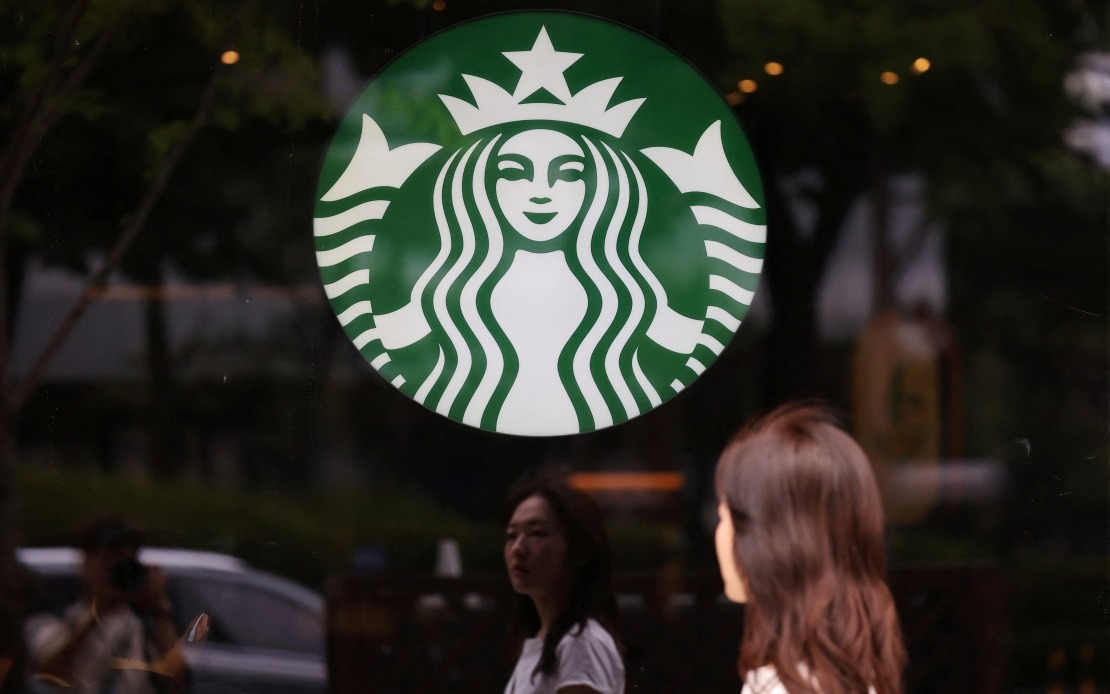
Starbucks South Korea took the dramatic step of closing its entire network of more than 2,000 cafés on Monday afternoon for a compulsory educational session with staff, marking a striking corporate response to one of the country's most sensitive historical episodes. The coordinated shutdown across the nation reflected the severity of the backlash Starbucks' Korean operator, Shinsegae, faced following an advertising campaign that inadvertently—or so the company claims—evoked memories of a devastating military atrocity.
At the centre of the controversy was a product launch by Shinsegae featuring a stainless steel thermos cup branded as the "SS Tank." In what appeared to be a tone-deaf marketing decision, the company designated May 18 as "Tank Day" to promote the item. What the campaign's creators seemingly overlooked was the profound historical significance of that exact date in South Korean collective memory and national consciousness.
On May 18, 1980, South Korea's military-led government orchestrated a brutal suppression of a pro-democracy uprising in the city of Gwangju. The government deployed military tanks and armed forces against protesters and civilians, resulting in several hundred deaths and countless injuries. The Gwangju Uprising remains a defining moment in the nation's struggle for democratic freedoms, seared into the national psyche as a symbol of authoritarian excess and the cost of resistance to tyranny.
The public reaction was swift and unforgiving. South Korean citizens, particularly those who remembered or whose families were affected by the 1980 crackdown, expressed outrage across social media and traditional channels. Calls for boycotts of Starbucks and Shinsegae products proliferated almost immediately, threatening the brands' reputations and commercial interests. Recognizing the catastrophic miscalculation, Shinsegae halted the campaign within hours of launch, attempting damage control through rapid retreat rather than explanation.
While the campaign's use of the "SS" abbreviation—which, in addition to standing for stainless steel, also evokes Hitler's infamous paramilitary organization—drew some commentary, this aspect remained secondary to the dominant outrage. The timing reference overshadowed concerns about the double meaning of the acronym, demonstrating that the primary sin was the insensitivity toward the Gwangju tragedy itself.
The political establishment also weighed in on the scandal. President Lee Jae Myung, while not typically aligned with causes championing pro-democracy activism, expressed his anger at what he characterized as inhumane corporate behaviour. His public criticism on social media platform X underscored the cross-party consensus that such campaigns were fundamentally unacceptable in South Korean society.
Shinsegae responded by implementing substantial organizational changes. The company issued an apology for the campaign and dismissed the executive deemed responsible for the marketing decision. Following an internal review, the corporation emphasized that the campaign contained no deliberate intention to disparage or defame the victims of the democracy movement, positioning the controversy as a regrettable lapse in judgment rather than malice.
The establishment of mandatory history training across Starbucks' entire South Korean operation represents an unprecedented corporate acknowledgment of the need for cultural and historical literacy among employees. By closing all outlets to conduct this compulsory session, Starbucks and Shinsegae sent a signal that the company would invest substantively in preventing similar incidents and in educating its workforce about the nation's pivotal historical moments.
Seoul's police department initiated its own investigation into the circumstances surrounding the campaign's conception and approval processes. This official inquiry suggests that authorities viewed the matter as sufficiently grave to warrant formal scrutiny, potentially examining whether any criminal negligence or intentional malice could be attributed to decision-makers within Shinsegae's marketing division.
For regional observers and international business leaders, the South Korean response to the Starbucks controversy illustrates how deeply historical memory and national identity inform consumer behaviour and public accountability in East Asian markets. Companies operating across the region would be wise to invest in comprehensive training regarding the historical sensitivities of each market, particularly around dates and events that carry profound national significance. The Gwangju Uprising, much like other pivotal moments in the histories of Malaysia, Vietnam, Thailand, and Indonesia, represents a boundary that commercial interests cannot casually cross without severe consequences.
The incident underscores a broader lesson for multinational corporations: corporate structures that inadequately screen marketing campaigns for cultural context risks reputational devastation, regulatory scrutiny, and organized consumer boycotts. For Starbucks and Shinsegae, the Monday closure and training programme represent both an immediate corrective measure and a longer-term investment in preventing future missteps that could damage the company's standing in a market where historical consciousness remains vigilant and unforgiving.

