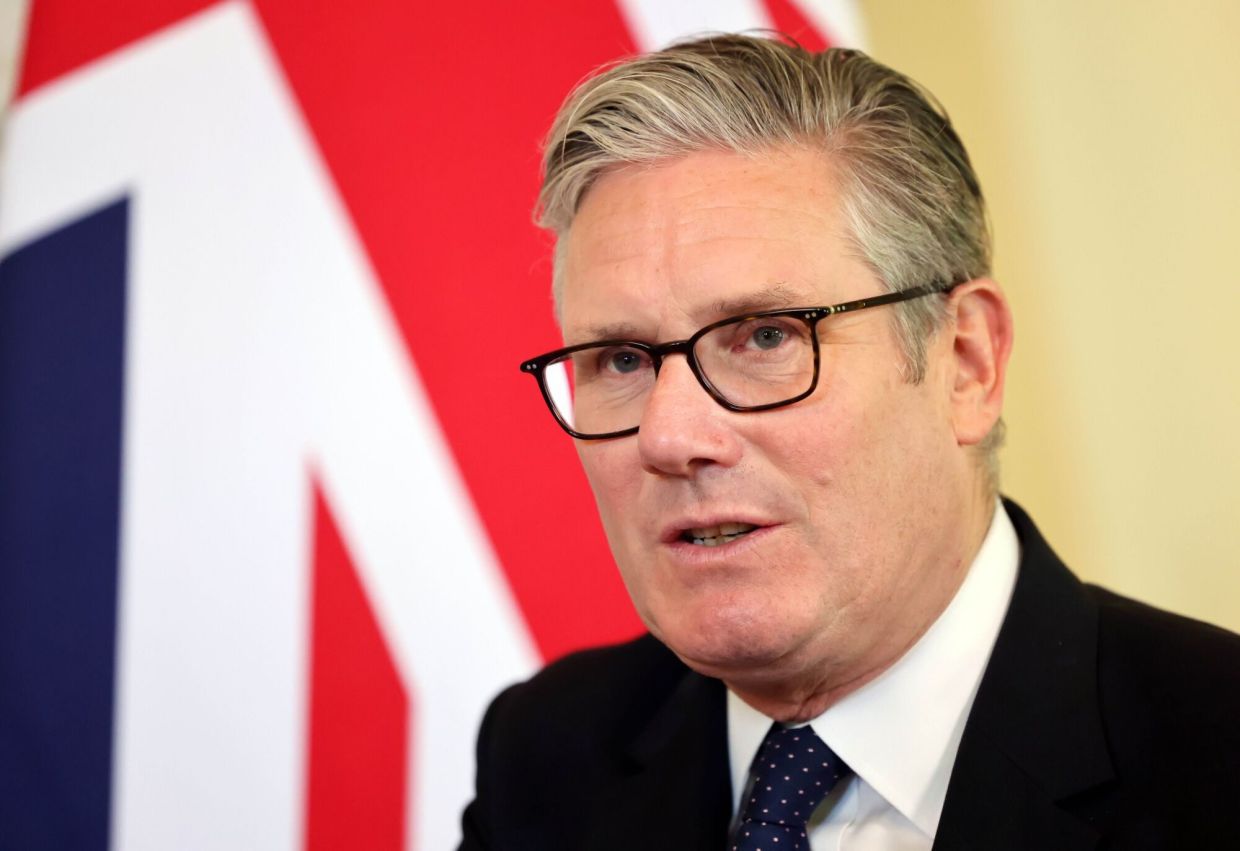
Prime Minister Keir Starmer is set to unveil one of his government's most ambitious digital-age restrictions on Monday, announcing a comprehensive ban preventing anyone under 16 from accessing major social media platforms. The announcement marks a defining moment in his premiership, positioning himself as a defender of young people's wellbeing against the perils of online connectivity. Yet the timing of the initiative—announced ahead of a contentious parliamentary by-election and amid internal cabinet turmoil over defence spending—has drawn accusations that Starmer is prioritising political optics over careful policymaking.
The proposed package extends beyond a simple social media prohibition. The government intends to introduce curfews restricting the online activities of older teenagers, alongside stringent new rules governing artificial intelligence chatbots and their deployment in digital spaces accessible to minors. Such measures would position the United Kingdom ahead of comparable democracies, including Australia, where a social media ban for young people took effect just last year. The scope of Britain's approach signals an appetite for aggressive intervention that challenges the self-regulatory model favoured by tech companies globally.
"This is a choice about whose side we're on: families across the country, or a status quo that isn't working," Starmer declared in a late Sunday statement, framing the policy as a clear moral position rather than a technical regulatory adjustment. The rhetoric attempts to anchor the policy within broader concerns about childhood safety, a theme that polls consistently show resonates with British voters. Public sentiment has solidly backed restrictions on teen social media access, suggesting the prime minister is tapping into genuine parental anxieties about screen time, mental health, and exposure to harmful content.
Yet serious questions linger about enforceability and the rushed nature of the decision-making process. The government closed its public consultation on youth online protection less than three weeks before Starmer's announcement, a compressed timeline that has troubled several of his own cabinet ministers. Those concerns gained additional credence when Ian Russell, whose teenage daughter took her own life in 2017 following exposure to damaging online material, criticised Starmer on the BBC for potentially rushing the ban as part of a pre-election policy blitz. Russell's intervention carried particular weight, as his family's tragedy has become a touchstone in British debates about social media regulation.
The political calculus surrounding the announcement cannot be divorced from Thursday's by-election in Makerfield, a northwest England constituency where Andy Burnham, the Labour powerbroker and Manchester mayor, is expected to secure a parliamentary seat. Should Burnham successfully contest and defeat Nigel Farage's Reform UK party—itself a rising force in British populist politics—speculation suggests the mayor could mount a leadership challenge against Starmer within weeks. A summer contest for control of 10 Downing Street would represent an extraordinary fracture in Labour's ranks just months after the party's decisive general election victory. By announcing a headline-grabbing policy addressing public anxiety, Starmer appears determined to shore up support before any internal challenge materialises.
The government faces a credibility problem on the defence front that may complicate its ability to claim moral authority on other policy domains. Last week, Defence Secretary John Healey resigned over Starmer's failure to secure adequate military spending increases, citing escalating threats from Russia and other adversaries. Junior defence minister Al Carns and two ministerial aides followed, suggesting institutional frustration rather than isolated dissent. Healey's departure represented a humiliating public rebuke to the prime minister's fiscal priorities, leaving Starmer vulnerable to accusations that his government was inadequately resourced to meet contemporary security challenges.
Attempts to stabilise the situation centre on securing additional defence funds from other government departments. Lisa Nandy, the culture secretary, signalled Sunday that negotiations remain active, telling the BBC that "the government had not finished" seeking savings elsewhere to boost military spending. Such language hints that Starmer has reluctantly concluded that larger defence allocations are necessary, both to meet commitments to NATO allies and to prevent further ministerial exits. Yet any substantial budget increase following Healey's resignation risks appearing as a policy reversal, further eroding confidence in Starmer's leadership and strategic judgment.
The Opposition Liberal Democrats have seized upon the social media announcement as evidence of careless governance. Branding the policy a "half-baked" initiative rushed through to manufacture political legacy, the party has articulated a broader critique: that Starmer's government prioritises short-term political advantage over thoughtful legislative development. The charge carries particular sting given the compressed consultation period and the proximity to the Makerfield by-election, lending credence to suggestions that policy announcements are being timed to maximise electoral advantage rather than to reflect completed analytical work.
Starmer's departure for the Group of Seven summit at Évian-les-Bains in France immediately after Monday's social media announcement compounds the impression of a government juggling multiple crises. The gathering presents both opportunity and risk: it offers a platform to demonstrate international stature and reassure allies about Britain's commitment to collective security, yet it also removes the prime minister from domestic political management at a moment when internal Labour divisions require close attention. The coincidence of Starmer announcing major new social media restrictions while travelling to an international forum where defence spending inadequacies will surely be discussed creates a jarring juxtaposition—the prime minister legislating as a protector of children while simultaneously dealing with the fallout from failing to protect the nation's military capacity.
For Southeast Asian observers, the British approach to social media regulation offers instructive lessons about both the appeal and the pitfalls of heavy-handed digital governance. Many regional governments have pursued similarly restrictive policies, yet face persistent challenges around enforcement, technical feasibility, and defining appropriate boundaries between protection and overreach. The Australian precedent, which Starmer's measures aim to exceed, remains relatively recent and untested at scale, raising questions about whether any democratic government has successfully implemented and sustained such comprehensive bans without unintended consequences. As Britain moves forward, it will become a closely watched case study in whether democracies can effectively regulate teen social media access without degrading digital freedoms or simply displacing harm into less visible online spaces.

