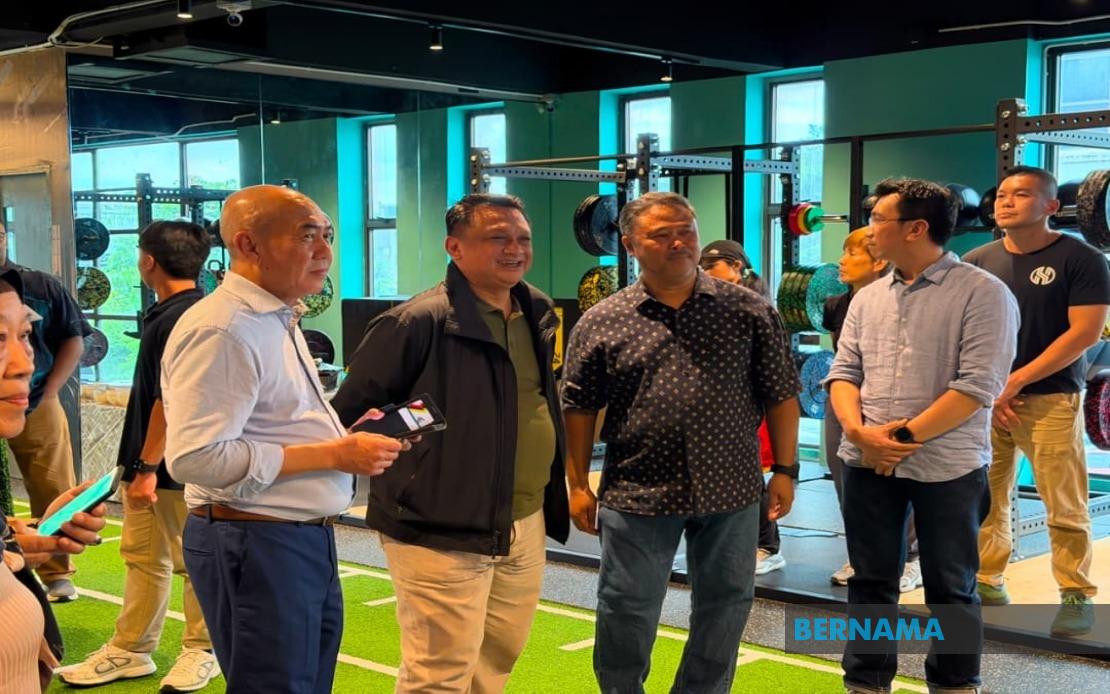
Malaysia's rapidly ageing population faces a pressing health challenge that remains largely overlooked: the devastating consequences of falls among senior citizens. Dr Adibah Ali, owner of FitLab gymnasium in Kuching, is sounding the alarm about inadequate public understanding of how targeted strength training can dramatically lower this risk. Speaking after a visit by the Raja Muda of Perlis, Tuanku Syed Faizuddin Putra Jamalullail, to her facility, Dr Adibah underscored the urgent need to educate older Malaysians about the protective benefits of progressive resistance exercises.
Having spent two decades working in hospital wards, Dr Adibah has witnessed firsthand the human cost of preventable falls. The breast and endocrine surgery consultant observed numerous elderly patients admitted with serious fractures sustained from relatively minor tumbles—injuries that could have been avoided through earlier intervention and improved physical conditioning. This clinical experience motivated her to pivot toward preventive health promotion, recognising that systemic awareness remains dangerously low despite Malaysia's demographic shift toward an older population.
The premise underlying Dr Adibah's advocacy is straightforward yet often misunderstood. Muscle-strengthening exercises are not about aesthetics or achieving bodybuilder physiques; rather, they target functional capacity essential for healthy ageing. By building lean muscle mass and bone density, seniors can maintain the neuromuscular coordination and lower-body strength required to catch themselves during balance lapses, reducing the likelihood of serious injury. Simultaneously, joint stability improves, protecting vulnerable knees, hips, and shoulders from compounding damage.
Beyond injury prevention, strength training unlocks tangible improvements in daily living that many elderly Malaysians value deeply. Climbing stairs without assistance, carrying groceries, rising from chairs, and maintaining independence in personal care all become feasible when muscle function is preserved. For senior citizens accustomed to viewing themselves as frail or at risk, acquiring physical capability can reinvigorate confidence and social participation—dimensions of wellbeing equally important as medical outcomes.
Recognising this opportunity, FitLab has committed to developing specialised classes tailored to the elderly demographic. The gymnasium is simultaneously exploring partnerships with Pusat Aktiviti Warga Emas (PAWE), a network of senior community centres, to embed fitness programming into existing social infrastructure. This collaborative approach acknowledges that elderly Malaysians often respond more positively to group-based activities embedded within trusted community spaces rather than unfamiliar gymnasium environments.
Sarawak's Deputy Minister of Youth, Sports and Entrepreneur Development, Datuk Gerald Rentap Jabu, echoed the urgency of this agenda during the royal visit. He stressed that adults aged 50 and above constitute an expanding demographic segment across Sarawak, warranting proportional investment in age-appropriate wellness initiatives. However, Rentap advanced a holistic conception of active ageing beyond mere physical conditioning. His reference to mental stimulation through activities such as chess reflects emerging gerontological understanding that cognitive engagement and social connection are inseparable from physical health outcomes.
The integration of mental and physical wellbeing represents a sophisticated approach to elderly care that the Malaysian health system has begun embracing. PAWE partnerships offer an ideal platform for this integrated model, combining exercise sessions with cognitive activities and peer interaction. Such programming addresses the psychological dimensions of ageing—isolation, loss of purpose, cognitive decline—that often drive sedentary behaviour more powerfully than physical limitation alone.
Malaysia's elderly population is expanding at an accelerating rate, driven by increasing life expectancy and declining fertility. Current demographic projections suggest seniors aged 60 and above will constitute roughly one-fifth of the national population by 2040. Healthcare systems across the country are ill-prepared for the resulting surge in age-related conditions, particularly preventable injuries and their cascading complications. Fall-related admissions consume substantial hospital resources while leaving survivors with permanent disability, chronic pain, and diminished autonomy.
From an economic perspective, preventing falls represents exceptional value for Malaysian healthcare expenditure. The costs associated with hospitalisation for hip fractures, subsequent rehabilitation, and long-term care requirements dwarf the modest investment required to deliver community-based strength training programmes. Early intervention through accessible gymnasium facilities and community centres generates measurable returns in prevented hospitalisations, preserved independence, and enhanced quality of life—multiplier effects extending far beyond individual participants to encompass family caregivers and broader social systems.
The royal visit to FitLab signals growing governmental recognition of active ageing's importance across Malaysian states. When senior leadership personally validates health initiatives targeting elderly populations, it lends symbolic weight and potential policy priority. Sarawak's explicit mention of strengthening efforts to promote senior participation in fitness programmes suggests the state recognises this imperative, though translating rhetoric into sustained, well-funded programming remains a persistent challenge for Malaysian governance.
Implementing Dr Adibah's vision will require sustained commitment across multiple stakeholders. Healthcare providers must incorporate strength training recommendations into routine geriatric consultations. Community organisations like PAWE require funding and trained facilitators to deliver evidence-based programming. Media campaigns must counter pervasive myths that vigorous exercise is dangerous for older adults, when evidence overwhelmingly demonstrates that appropriately prescribed resistance training is safe and highly effective. Equally important, the health system must shift from treating fall-related injuries reactively to preventing them proactively.
For Malaysian readers, the implications are personal and immediate. Ageing relatives contemplating exercise—or avoiding it from fear—deserve guidance grounded in clinical evidence rather than age-related stereotypes. Strength training represents one of the highest-impact health interventions available to older adults, combining genuine safety, demonstrable effectiveness, and practical accessibility. As Malaysia continues its demographic transition toward an older society, normalising strength training among seniors will become increasingly central to public health strategy. Dr Adibah's advocacy contributes meaningfully to that essential cultural shift.

