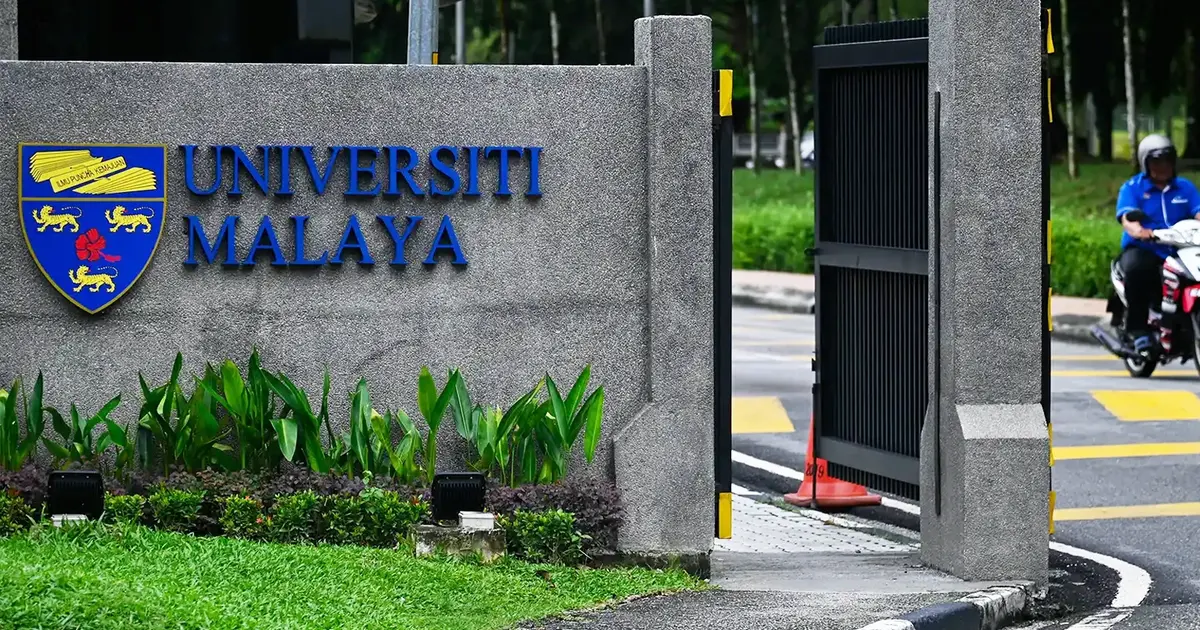
The University of Malaya faces mounting pressure from student advocates to release the findings of an ongoing sexual harassment investigation into a faculty member, with the institution's continued silence raising questions about institutional accountability and the handling of misconduct cases at Malaysia's premier public university. NewGen UM, a campus-based student collective, has publicly demanded that the university disclose the outcome of the probe, pointing out that despite assurances provided in September of the previous year that the inquiry had reached its conclusive stages, no formal announcement has materialised.
This situation underscores a persistent tension within Malaysian higher education institutions regarding transparency in disciplinary matters and the protection of complainants' identities. While universities must navigate the delicate balance between maintaining confidentiality for all involved parties and providing public accountability for institutional processes, prolonged silence can erode trust and create perceptions of institutional inaction. The interval between the university's announcement of the investigation's advanced stage and the present absence of any resolution announcement suggests significant obstacles may have emerged during the concluding phase of the inquiry.
NewGen UM's intervention reflects a broader campus activism movement among Malaysian university students who have increasingly demanded greater institutional responsiveness to complaints of sexual misconduct and harassment. The group's public advocacy signals that campus communities are no longer accepting opaque processes that leave alleged victims and the wider student body without clarity regarding investigations' outcomes or the steps universities are taking to address systemic issues. This shift represents a generational change in expectations around institutional governance and sexual harassment prevention.
The University of Malaya has not provided public statements explaining the delay or the current status of the investigation. Possible explanations could include the complexity of gathering evidence, appeals procedures, legal consultations, or disagreements between investigating committees regarding findings and appropriate sanctions. However, without official communication, these remain matters of speculation, and the absence of transparent updates inevitably invites scrutiny and scepticism from students and staff alike.
Sexual harassment investigations in academic settings carry particular complications. Universities must protect the accused's right to natural justice while ensuring that complainants' safety and wellbeing remain paramount. These twin imperatives can extend investigation timelines significantly, particularly if the case involves contested accounts, multiple complainants, or requires external expertise. Nevertheless, institutions have a responsibility to communicate regularly with stakeholders, even if specific details remain confidential.
For Malaysian universities aspiring to international standards in governance and institutional integrity, the handling of harassment investigations has become a crucial metric of institutional credibility. Regional peer institutions and international academic networks increasingly scrutinise how universities respond to misconduct allegations. Lengthy unexplained delays in completing investigations can damage institutional reputation and discourage future complainants from coming forward, ultimately undermining efforts to create safer campus environments.
The delay also carries implications for the alleged victim or victims involved in the case. Extended investigation periods can prolong trauma and uncertainty for those who have made complaints, potentially discouraging other students experiencing harassment from seeking institutional remedies. Furthermore, unresolved cases leave accused faculty members in professional limbo, neither exonerated nor sanctioned, which creates tension and uncertainty throughout the academic community.
NewGen UM's demands reflect expectations that have solidified in universities worldwide following increased global focus on institutional responses to sexual harassment and misconduct. Student movements across Asia, including Malaysia, have increasingly challenged universities to adopt robust, transparent, and timely investigation procedures. The lack of progress at University of Malaya therefore stands in contrast to statements of commitment many Malaysian institutions have made regarding campus safety and equality.
Moving forward, the University of Malaya will likely face continued pressure from student groups and potentially from parents, alumni, and civil society organisations monitoring institutional integrity. The university's response to these demands—whether through transparent communication about the investigation's status, establishment of clearer timelines for future cases, or comprehensive policy reforms—will signal its commitment to addressing sexual harassment as a serious institutional priority rather than an administrative inconvenience.
The broader context here extends beyond this single case. Malaysian universities collectively are developing institutional cultures around misconduct investigations, setting precedents that will influence campus climates for years. Institutions that demonstrate transparency, efficiency, and genuine commitment to supporting complainants while ensuring fairness to the accused will likely attract and retain talented students and faculty. Conversely, those perceived as protecting institutional reputation over institutional integrity risk losing community confidence and facing reputational consequences that extend far beyond individual cases.

