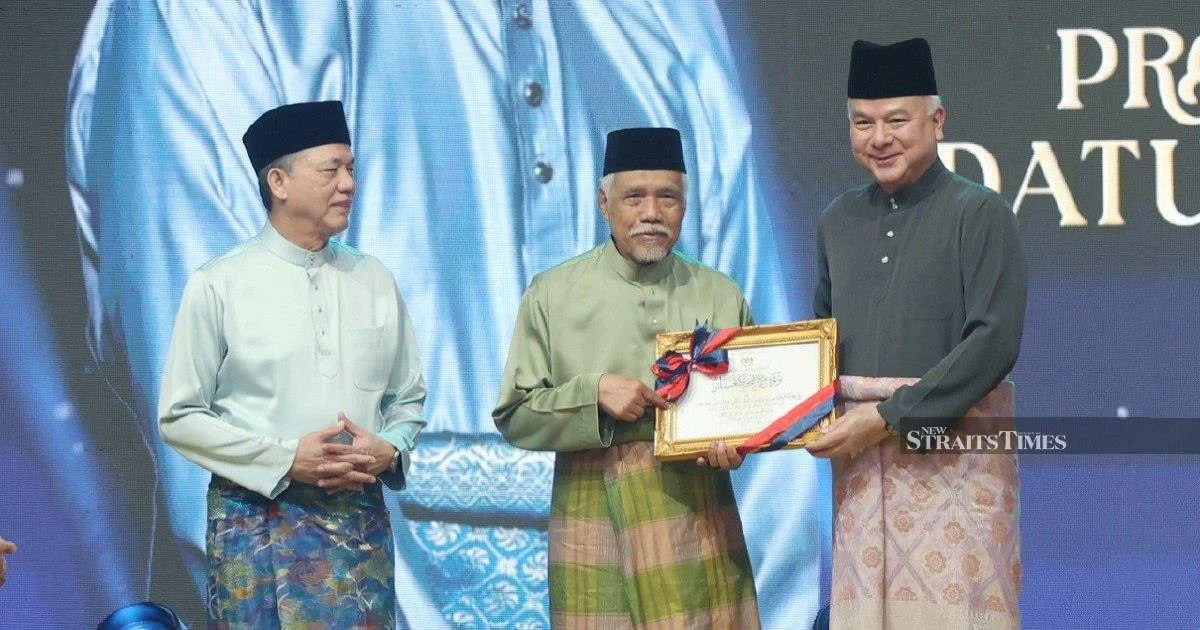
Sultan Nazrin Muizzuddin Shah, the Sultan of Perak, has sounded a sharp warning to political leaders about the dangers of hasty and emotion-fuelled governance, emphasising that the broader population invariably pays the price when those in authority fail to think strategically. The message carries particular resonance in Malaysia's political landscape, where periodic shifts in administration have sometimes been marked by sudden policy reversals and reactive measures rather than measured, long-term planning.
The Sultan's caution reflects concerns held by constitutional monarchs across the region about the quality of decision-making at the highest levels of government. When leaders allow impulse and feeling to override careful analysis, the resulting policies can destabilise institutions, damage economic confidence, and undermine public trust. Malaysia's experience over recent decades illustrates this dynamic clearly: sudden changes in taxation, subsidy removal without proper groundwork, and abrupt regulatory shifts have frequently sparked public discontent and economic disruption that took years to reverse.
In emphasising the need for deliberate, strategic thinking, the Sultan drew on lessons from the Islamic historical narrative of the Hijrah—the migration of the Prophet Muhammad and his followers from Mecca to Medina in 622 CE. Rather than presenting this as merely a religious or historical lesson, the Sultan positioned it as a universal template for sound governance and human organisation. The Hijrah was not undertaken in haste or emotional reaction; it represented meticulous planning, careful assessment of risks, consultation with trusted advisors, and a clear vision of objectives and timelines.
The historical parallel offers instructive value for contemporary leadership. The Hijrah succeeded precisely because it combined spiritual conviction with practical wisdom. Those who led the migration did not act on impulse; they anticipated challenges, planned logistics, built alliances, and communicated clearly with their followers about what lay ahead. This approach enabled a small community to establish itself in a new land and ultimately transform the Arabian Peninsula's political and social landscape. The lesson extends far beyond Islamic history: any significant national initiative—whether infrastructure development, economic restructuring, or institutional reform—requires the same blend of vision, planning, and measured execution.
In the Malaysian context, leaders at both federal and state levels would benefit from internalising this principle. The country's recent political volatility, including frequent changes in government composition and policy direction, has created uncertainty that affects investor confidence and citizen morale. When governments shift direction suddenly without clear explanation or adequate transition mechanisms, businesses struggle to plan investments, workers lose job security, and public services become inconsistent. The costs accumulate across the economy and society in ways that may not be immediately visible but compound over time.
The Sultan's intervention also signals the monarchy's ongoing role in articulating values and principles that transcend partisan politics. In Malaysia's constitutional framework, the Rulers occupy a position above the fray of daily politics, permitting them to speak to broader national concerns without the baggage of party affiliation or narrow electoral interests. When Sultan Nazrin addresses the need for thoughtful leadership, he speaks not as a politician but as a custodian of institutional stability and national welfare. This carries weight precisely because it comes without partisan motive.
The emphasis on learning from the Hijrah also reflects a broader intellectual trend in contemporary Islamic thought—mining historical experiences for principles applicable to modern governance, economics, and social organisation. Rather than viewing Islamic history as purely spiritual or devotional, this approach treats it as a reservoir of practical wisdom about human affairs. The migration narrative encompasses lessons about resilience, planning under uncertainty, building consensus, and maintaining vision through adversity. These are universal leadership qualities, not merely historical curiosities.
For Malaysia's political class, the message arrives at a moment when careful stewardship is particularly needed. The country faces medium-term economic challenges, including the need to boost productivity, diversify revenue sources, and manage generational expectations about opportunity and social support. These challenges demand sustained, coherent policy frameworks rather than reactive lurches from one direction to another. A government that constantly shifts priorities or reverses course sends confusing signals to the business community, the civil service, and the public, all of whom need predictability to plan their own lives and activities.
The Sultan's warning also implicitly addresses the personal qualities required of leaders. Emotional restraint, patience, the willingness to consult advisors, and the discipline to follow through on plans despite pressure for short-term wins are characteristics increasingly rare in a world of instant communication and viral politics. Yet they remain essential for effective governance. Leaders who prize quick victories or dramatic announcements over substance often create problems that their successors must spend years untangling.
Moreover, Sultan Nazrin's message carries implications for how Malaysians evaluate and select their leaders. At elections, voters naturally focus on immediate issues and promises. Yet the quality of leadership extends to something deeper: the temperament and strategic capacity to make decisions that serve the nation's long-term interests even when doing so requires unpopular choices or patience. Voters who reward impulsive, emotionally gratifying leadership inadvertently set the stage for cycles of poor decision-making and correction.
The Hijrah, as the Sultan presented it, also embodied an ethical dimension. The migration succeeded not merely through cunning or force but through maintaining moral principles and social cohesion even under stress. Modern leaders, too, must understand that governance is not merely a technical exercise but a moral undertaking. Decisions affect people's livelihoods, security, and dignity. This weight demands careful thought, not impulse.
Looking forward, the Sultan's intervention may catalyse broader conversation about leadership standards across Malaysian politics. State governments and federal ministries might benefit from institutionalising processes that encourage deliberation, consultation, and strategic planning before major policy shifts. This need not mean paralysis or excessive caution; rather, it means building decision-making frameworks that combine vision with wisdom, conviction with consultation, and ambition with humility about the limits of what hasty action can achieve.

