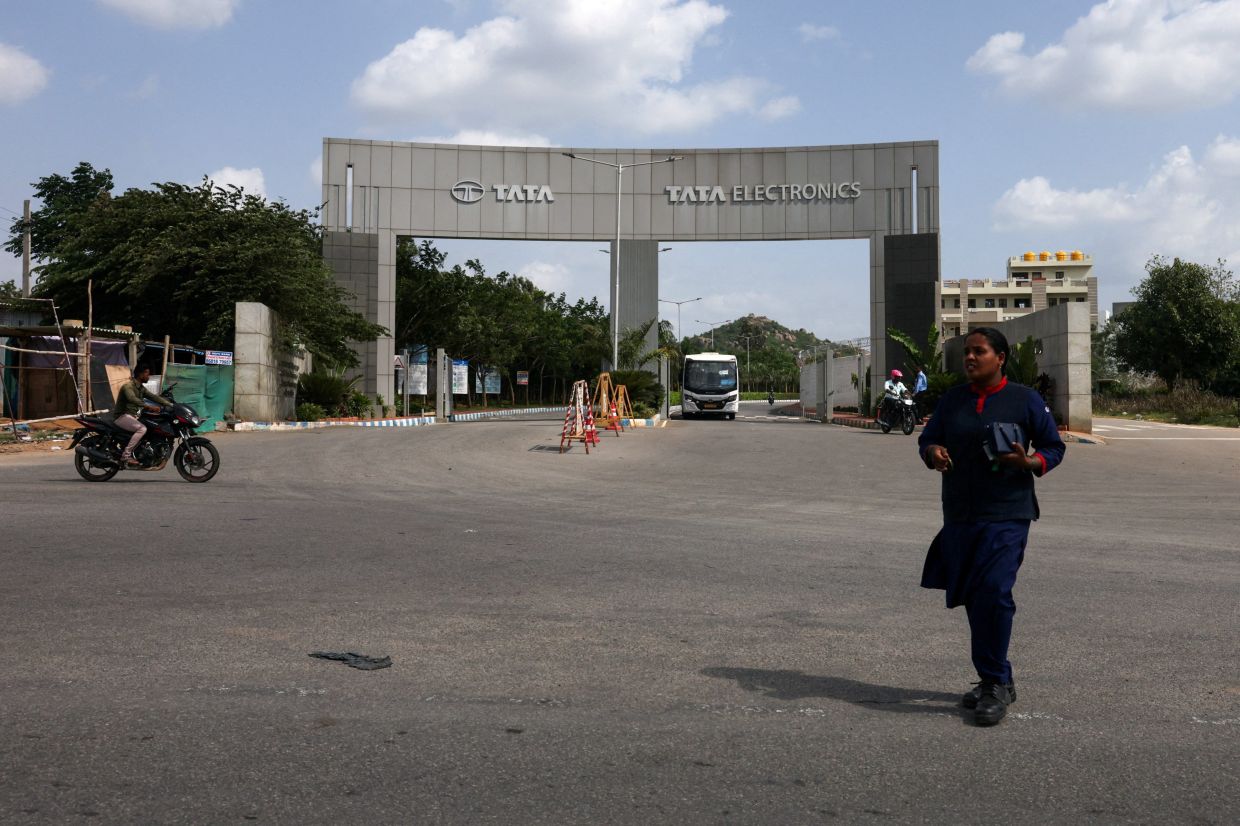
Tata Electronics, a cornerstone of India's ambitious electronics manufacturing expansion, revealed this week that it has fallen victim to a significant cybersecurity breach. The Indian conglomerate confirmed detecting what it termed a recent "cybersecurity incident" affecting some of its systems, though the company insisted that business operations across all divisions remained completely unaffected. The disclosure follows claims by the ransomware group World Leaks that it has posted more than 200,000 files on the dark web, including purported component design specifications and confidential documents belonging to two of Tata's most prominent customers: Apple and Tesla.
The World Leaks group, which previously claimed responsibility for breaching Nike, alleges that the stolen data comprises over 630 gigabytes of materials from Tata Electronics. According to the group's dark web presence, the dataset contains far more than just technical drawings and specifications; it purportedly includes employee communications spanning several years, system event logs documenting network activity, and copies of passports belonging to personnel, including foreign nationals. The accessibility of this information on the dark web since at least June 10 suggests that the data has potentially been available to cybercriminals and state actors for weeks before the breach became public knowledge.
Apple, which sources indicate was conducting a full investigation into the incident, received a ransom demand related to the breach, according to people familiar with the matter. While Apple declined to comment publicly on the situation, the technology giant has confirmed it is examining the scope and nature of the exposed data. Tata Electronics similarly refused to confirm details about any ransom demand, maintaining strict operational secrecy around the incident's resolution. Neither company has disclosed the amount demanded by World Leaks, though the theft of such comprehensive technical data typically results in substantial ransom requests running into millions of dollars.
Indian cybersecurity researchers who reviewed samples of the leaked data on the World Leaks website identified substantial collections of Apple-related files and folders, some bearing titles like "com.apple.factorydata" and documents referencing "material specification." Among the purported Apple materials was a 52-page document bearing the company's proprietary markings that reportedly detailed quality inspection standards for iPhone circuit board components. A search function on the World Leaks database returned 181 files and folders associated with Apple, underscoring the extent of the data exposure affecting the technology manufacturer's supply chain operations in India.
Tesla's potential exposure appears equally severe. The leaked database reportedly contains files referencing the "NV36 Chargeport Controller - North America," a component purportedly used in an upgraded version of Tesla's Model Y SUV. Additionally, researchers identified what appeared to be a 2023 Tesla document marked "TRADE SECRET" containing technical drawings related to Project Highland, Tesla's internal codename for a substantially redesigned Model 3 sedan. A search for Tesla-related content returned files including manufacturing specifications and assembly documents dated May 2025, suggesting that Tata Electronics had access to Tesla's forward-looking production plans and supplier specifications. Tesla declined to comment on the breach when approached by media outlets.
The security breach strikes at a particularly sensitive moment for Tata's expansion as an Apple manufacturing partner. Tata Electronics currently produces approximately one-third of Apple's iPhones assembled in India, with Foxconn accounting for the remaining production. This division of labour reflects Apple's deliberate strategy to diversify away from concentration in China, a geopolitical risk that has become increasingly apparent to multinational corporations over the past five years. Multiple folders in the World Leaks database carried the designation "Hosur," referring to the location of Tata's primary iPhone assembly facility in Tamil Nadu state, suggesting that cybercriminals had gained access to systems directly controlling production operations and quality management at this critical facility.
Tata's vulnerability to cyberattacks extends beyond this recent incident. The conglomerate's British subsidiary, Jaguar Land Rover, experienced a significant cyberattack during the previous year that forced a complete six-week halt to vehicle production, demonstrating that security weaknesses persist across Tata's sprawling operations. This pattern of recurring cyber incidents raises uncomfortable questions about the conglomerate's overall cybersecurity maturity and whether its rapid international expansion has outpaced its ability to implement consistent security protocols across all facilities and systems. For a company positioned as a cornerstone of Indian manufacturing, such vulnerabilities represent serious operational and reputational risks.
The timing and scope of this breach carry substantial implications for Prime Minister Narendra Modi's broader strategic initiative to position India as an alternative global electronics manufacturing centre. The government has explicitly sought to attract multinational technology companies to shift production capacity away from China, with Tata Electronics positioned prominently as a domestic champion capable of meeting international quality and security standards. When a company of Tata's stature and strategic importance becomes the target of a ransomware operation that successfully extracts hundreds of thousands of files containing trade secrets, it inevitably raises questions among foreign investors about whether India possesses the necessary cybersecurity infrastructure and corporate governance practices to safeguard sensitive intellectual property.
The nature of the exposed data deserves particular scrutiny. Beyond schematics and technical specifications, the breach reportedly included internal Apple and Tesla communications, systems logs that could reveal security weaknesses, and employee documentation that might facilitate social engineering attacks. This comprehensive exposure means that competitors, state intelligence agencies, and criminal organisations now potentially possess not merely product designs but also insights into how these companies' supply chain operations function, where security gaps exist, and which personnel possess critical knowledge. For companies like Apple and Tesla, which have invested significantly in maintaining design secrecy and supply chain security, such exposure represents a strategic vulnerability that extends far beyond the immediate business disruption.
The Indian Computer Emergency Response Team, the government agency operating under India's IT ministry with responsibility for investigating major cyber incidents, had not responded to media inquiries regarding the breach at the time the incident became public. This institutional silence underscores a broader challenge facing India's cybersecurity response infrastructure: the gap between the ambitions of the government's manufacturing expansion strategy and the actual capacity of security agencies to protect the companies undertaking this expansion. Given that foreign technology companies are being actively encouraged to relocate sensitive manufacturing operations to India, the ability of Indian authorities to rapidly investigate, contain, and remediate major security incidents has become a matter of national interest rather than merely a private corporate concern.
For Malaysia and other Southeast Asian nations watching India's manufacturing ascent, the Tata Electronics breach offers instructive lessons about the risks accompanying rapid foreign direct investment in technology sectors. Malaysia itself hosts substantial electronics manufacturing operations for global companies and remains vulnerable to similar cyberattacks. The incident underscores that mere geographic diversification away from China, while strategically rational, does not automatically translate into enhanced security if host countries lack mature cyber defence capabilities. As regional governments compete to attract technology manufacturing investment, they must simultaneously invest heavily in cybersecurity infrastructure, threat intelligence capabilities, and incident response protocols that can match the sophistication of modern ransomware operations.
The exposure of such comprehensive technical documentation also raises questions about intellectual property protection across Southeast Asia more broadly. When companies can suffer data breaches affecting hundreds of thousands of files without immediate detection, it indicates potential weaknesses in data loss prevention systems and network monitoring that may exist elsewhere in the region. This incident should prompt Malaysian policymakers and corporate leaders in the technology sector to audit their own security postures and ensure that critical infrastructure protecting high-value intellectual property meets international standards. The regional electronics industry's competitive position increasingly depends not merely on manufacturing cost advantages but on the ability to demonstrate to multinational customers that sensitive intellectual property will be protected against increasingly sophisticated cyber threats.

