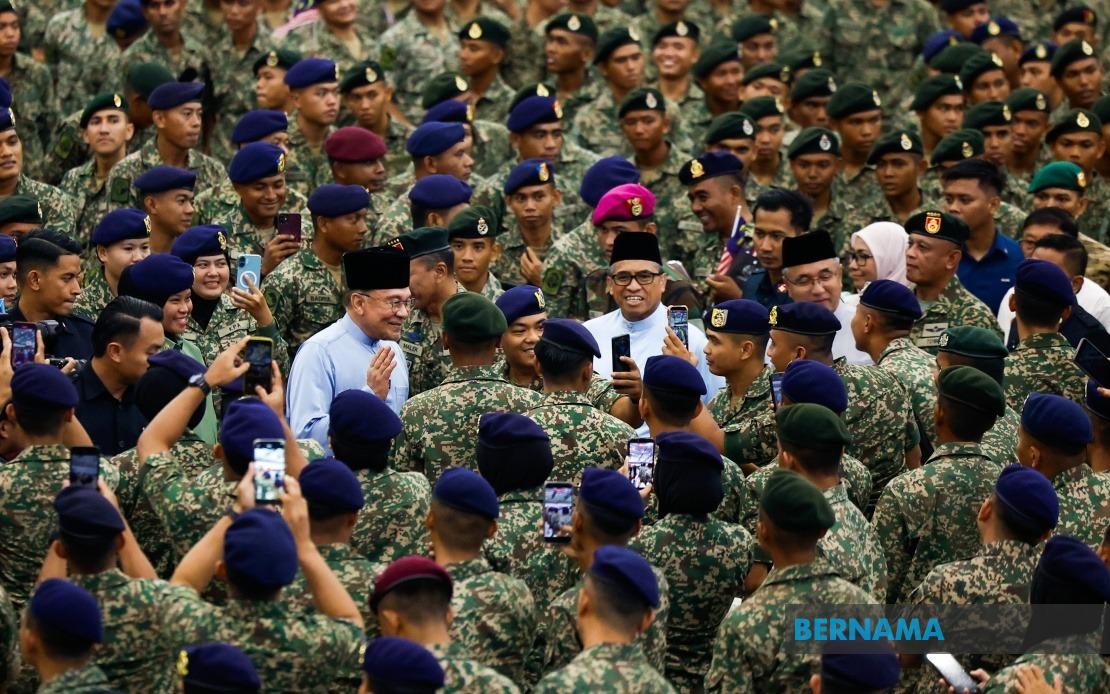
Prime Minister Datuk Seri Anwar Ibrahim has disclosed that the Royal Commission of Inquiry report into Lembaga Tabung Haji (TH) was deliberately withheld from public view for the past three years to safeguard the pilgrims' fund board from potential financial destabilisation. Speaking in Port Dickson on July 24, Anwar explained that releasing the document prematurely could have triggered widespread panic among TH depositors and sparked a run on withdrawals that would have compromised the institution's operational stability. The decision to delay publication was made to preserve public confidence in an organisation managing the savings of millions of Malaysian Muslims preparing for the Hajj pilgrimage.
The Prime Minister articulated a delicate balancing act between transparency and institutional protection. He reasoned that three years ago, the government lacked the capacity to manage the fallout from a public disclosure without risking the depositor base. However, Anwar stressed that the rationale for secrecy no longer applies, given the structural improvements TH has undergone under new leadership. He emphasised that the pilgrims' fund has recovered significantly and recently earned international recognition through the Best Haj Management award for the current pilgrimage season, suggesting the institution is now robust enough to withstand scrutiny.
The timing of this revelation underscores a broader shift in government approach toward administrative accountability. Anwar positioned the impending release of the RCI report as consistent with the MADANI Government's commitment to combating abuse of power and strengthening institutional governance. By framing transparency as a cornerstone of protecting public interests—particularly for Muslim communities and the FELDA sector—the Prime Minister attempted to reconcile the previous silence with current transparency imperatives. This narrative suggests a calculation that TH's strengthened financial position now permits disclosure without creating systemic risk.
Central to the inquiry's original concerns were allegations related to TH's sale of strategic assets, a matter that generated significant public debate when it first surfaced. The decision to investigate these transactions through a royal commission indicated serious concerns within government circles about potential mismanagement or impropriety. For three years, the findings remained classified, leaving many unanswered questions about the extent of any wrongdoing and whether management actions had been justified. This extended period of secrecy inevitably fuelled speculation and public frustration, particularly given Malaysia's stated commitment to strengthening anti-corruption frameworks.
The government's procedural approach moving forward involves consultation with the Chief Secretary to the Government on whether the Cabinet requires prior review before public release. This additional layer of administrative process reflects the sensitivity surrounding the report's contents and the government's desire to manage its presentation carefully. Anwar indicated that release would occur "soon," though he did not specify a concrete timeline, leaving room for further deliberation on the report's handling. The involvement of top civil service leadership, including Chief Secretary Tan Sri Shamsul Azri Abu Bakar, underscores the institutional weight attached to this disclosure decision.
Opposition to the prolonged secrecy came swiftly from within the ruling coalition itself. Senior figures from Pakatan Harapan component parties—including Amanah secretary-general Muhammad Faiz Fadzil, DAP national vice-chairman Syahredzan Johan, and PKR deputy secretary-general Saifuddin Shafi Muhammad—issued a joint statement advocating for immediate Cabinet deliberation on public release. These coalition partners grounded their position in principles of transparency and accountability, arguing that citizens possessed an inherent right to understand the inquiry's conclusions. This internal pressure from government allies highlighted growing expectations that the administration should demonstrate tangible commitment to openness, particularly on matters affecting millions of depositors with financial stakes in TH.
For Malaysian Muslims saving for pilgrimage, the RCI findings carry substantial personal significance. Many depositors entrust substantial sums to TH, sometimes representing decades of accumulated savings. Understanding how their funds have been managed and whether institutional leadership acted in their interests is not merely a matter of public curiosity but one of financial security. The three-year delay in disclosing the inquiry's findings effectively left depositors operating with incomplete information about their investment's governance, even as their money remained at stake.
The broader Southeast Asian context frames this issue within regional discussions about institutional accountability and financial transparency. Malaysia's banking and investment sectors are closely watched by international observers assessing governance standards across the region. How the government handles disclosure of findings about a major religious financial institution influences perceptions of Malaysia's commitment to regulatory transparency. The decision to eventually release the report, while delayed, nonetheless demonstrates acknowledgment that public accountability ultimately supersedes short-term institutional protection concerns.
Critics may argue that the three-year delay, regardless of justification, fundamentally compromised the inquiry's utility as an accountability mechanism. Lengthy gaps between investigation and public disclosure diminish the salience of findings and reduce institutional learning opportunities. Furthermore, the selective withholding of information—releasing it only after deemed "safe" to do so—invites questions about whether the timing reflects genuine readiness for transparency or merely political calculation. The fact that release required assurances about TH's financial recovery suggests that disclosure was conditional upon managing reputational risk rather than driven by unconditional commitment to openness.
Looking ahead, the impending release will provide clarity on questions that have remained unresolved within public discourse. Depositors, policymakers, and observers will finally access official findings regarding TH's asset sales and the decision-making processes that guided them. This transparency should enable informed assessment of whether management acted appropriately and whether regulatory frameworks adequately protected the institution's interests. The disclosure may also illuminate whether systemic weaknesses required remedial action or whether isolated lapses were successfully addressed through new leadership structures.
The broader lesson emerging from this episode concerns the tension between institutional stability and democratic transparency. Anwar's justification acknowledges that governments must sometimes prioritise short-term systemic stability over immediate disclosure. Yet this reasoning also reveals the vulnerability of institutions dependent on confidence, where public knowledge of problems risks triggering the very panic authorities seek to prevent. As Malaysia continues strengthening its governance architecture, clearer frameworks for managing the disclosure of sensitive institutional findings—balancing transparency with measured communication—would serve public interests more systematically than case-by-case government discretion.

