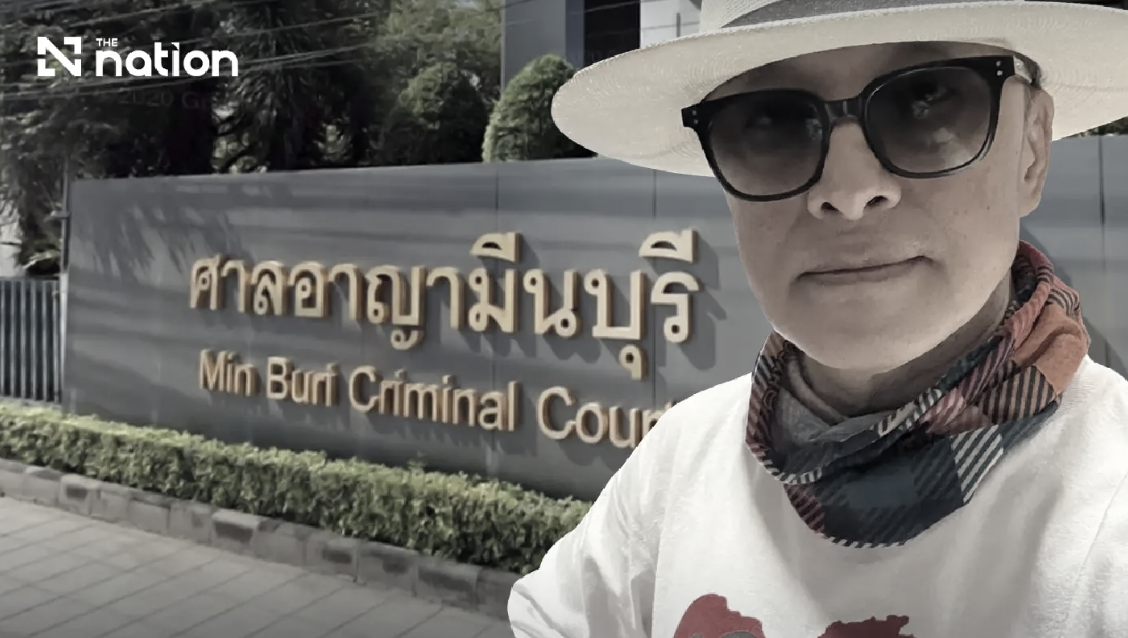
Thailand's beloved pop performer Manasawin Nantasen, better known as Tik Shiro, has received a two-year prison sentence from a Bangkok criminal court for driving under the influence and causing the deaths of two individuals. The 64-year-old entertainer, whose musical career flourished throughout the late 1980s and 1990s, became an iconic figure in Thai popular culture through his striking stage presence, iconic fedora hats, and polished dance choreography that drew frequent comparisons to Michael Jackson's global stardom and artistic influence.
The tragic incident unfolded in October 2024 when Manasawin's vehicle collided with a stationary motorbike positioned on a Bangkok bridge. The impact proved fatal for a 28-year-old woman who was riding the motorcycle, while her 21-year-old brother was propelled off the bridge by the force of the collision. The younger sibling sustained critical injuries from the fall and subsequently succumbed to his wounds during hospital treatment, according to law enforcement accounts of the accident.
On Wednesday, June 24, the Bangkok court delivered its verdict on the charges of drunk driving that resulted in multiple fatalities. The judicial decision drew considerable public interest given Manasawin's prominent standing in Thai entertainment circles and the broader context of how celebrity figures are treated within the justice system. The court acknowledged certain mitigating factors in its sentencing determination, noting that the defendant had voluntarily surrendered to authorities and provided testimony that advanced the investigation and prosecution of the case.
The court's statement highlighted additional circumstances that influenced the sentencing outcome. Manasawin demonstrated remorse for the tragedy through his presence at the victims' funeral services and his financial compensation to their grieving families, demonstrating acknowledgment of the harm caused. Nevertheless, the court imposed a permanent revocation of his driving privileges, effectively barring him from operating motor vehicles in the future as a consequence of his actions.
The case gained significant traction on Thai social media platforms when video footage emerged showing the distraught singer kneeling at the accident scene in apparent anguish. The emotional imagery circulated widely across digital networks throughout Thailand, capturing public attention at a moment when many citizens expressed frustration regarding the perceived preferential treatment sometimes extended to wealthy and influential personalities within the Thai legal system.
Manasawin's conviction and sentencing represent a notable instance where a prominent Thai celebrity faced judicial consequences for serious criminal conduct. However, the case has renewed broader conversations about equality before the law in Thailand, particularly regarding how differently similar offences may be prosecuted depending on the social and economic status of those involved. This scrutiny reflects genuine public concern about whether Thailand's legal frameworks are applied uniformly across different segments of society.
The entertainment sector in Thailand has witnessed several high-profile legal matters in recent years that have complicated public perceptions of accountability. Rock musician Sek Loso was released from incarceration on the same day as Manasawin's sentencing, having completed slightly more than one year of imprisonment related to drug possession charges and unlicensed firearm ownership, further highlighting the varied legal pathways that prominent performers have navigated.
The historical record offers sobering examples of celebrity figures who have apparently escaped serious accountability for grave offences. In 2012, Vorayuth Yoovidhya, heir to the Red Bull beverage fortune, was implicated in a fatal collision involving his Ferrari sports car that struck a Bangkok police officer in an affluent neighbourhood, killing the officer immediately at the scene. Despite a formal investigation being undertaken, no criminal charges were ever filed against the heir, fueling perceptions of preferential justice for the wealthy and well-connected.
Another controversial case emerged from 2001 when a son of Chalerm Yubamrung, a former parliamentarian representing the Pheu Thai political party, allegedly discharged a firearm fatally at another person during an altercation at a popular Bangkok nightclub. Despite the apparently public nature of the incident, the defendant was ultimately acquitted based on the prosecution's inability to establish a sufficiently robust evidentiary case, a verdict that many Thais viewed as reflecting unequal application of the law.
These contrasting outcomes create a complex narrative around justice and celebrity in contemporary Thailand. While Manasawin's conviction and imprisonment indicate that even prominent performers can face substantial legal consequences for serious crimes, the comparison with unpunished high-profile cases raises questions about whether the enforcement system operates consistently across different tiers of Thai society. The court's handling of the drunk-driving case may signal a shift toward greater accountability, or it may represent an exception rather than the norm in how Thailand's legal system treats the wealthy and famous.
The Manasawin verdict arrives during a period when Thai society continues grappling with questions of fairness and transparency in its judicial processes. Public discourse increasingly focuses on whether the courts can reliably protect vulnerable citizens and uphold standards of equal justice. For Malaysia and other Southeast Asian nations observing Thai legal developments, the case underscores the broader regional challenge of ensuring that legal systems maintain integrity and public confidence regardless of the defendant's social standing or professional prominence.