Thailand is undertaking a sweeping review of its immigration framework designed to streamline the removal of foreign offenders who have exploited legal procedures to remain in the kingdom for extended periods. The government's push reflects mounting concerns that existing deportation mechanisms are inadequate to tackle the growing sophistication of transnational criminal enterprises operating from Thai soil, from call-centre scams to money-laundering operations that have infiltrated major tourism destinations.
The initiative gained momentum following the introduction of a 60-day visa exemption scheme in July 2024, which permitted citizens and residents of 93 countries and territories to enter Thailand without advance visa applications. While designed to boost tourist arrivals, the policy inadvertently created significant security vulnerabilities. By eliminating the requirement for pre-arrival visa processing, Thai embassies lost the opportunity to conduct criminal background checks or financial due diligence before visitors crossed the border. This gap has allegedly enabled some foreign nationals to establish themselves in Thailand through repeated border runs, sidestepping normal residency requirements and avoiding the scrutiny that conventional visa applications would trigger.
The consequences of these loopholes have become particularly visible in Thailand's most popular tourist regions. Law enforcement has documented concentrations of foreign criminals in areas including Pai in Mae Hong Son province, the beach resort city of Pattaya, the island of Koh Phangan in Surat Thani, and central Bangkok. These individuals have engaged in diverse illicit activities ranging from illegal employment in hospitality businesses to sophisticated scam operations and nominee property acquisitions. Authorities argue that foreign nationals have systematically undercut Thai workers in restaurants, resorts, and entertainment venues while simultaneously establishing bases for international criminal syndicates. The scale and sophistication of these networks prompted the government to classify transnational crime prevention as a core national security objective.
The current deportation framework, anchored in the Immigration Act of 1979, contains procedural safeguards that, while protecting individual rights, have created bottlenecks in removing convicted or suspect foreign nationals. Detainees can appeal removal orders within 48 hours of notification, triggering delays that may extend for months or years as cases navigate appeals processes and embassy coordination channels. Some individuals lack resources to fund their own repatriation, necessitating prolonged negotiations between Thai authorities and foreign governments. Others leverage humanitarian or legal grounds to request postponements, further complicating timelines. In extreme cases, offenders have remained in Thai custody while exploiting procedural gaps to maintain contact with their criminal networks or prepare for early release.
Prime Minister Anutin Charnvirakul has assigned Deputy Prime Minister Pakorn Nilprapunt, who holds responsibility for legal affairs, to coordinate a comprehensive review involving the Royal Thai Police, the Immigration Bureau, and the Interior Ministry. The initiative specifically targets Sections 54 and 55 of the Immigration Act of 1979, which govern the mechanics of foreign national removal. The government's stated intention is to create pathways that enable faster deportations while maintaining compliance with Thailand's obligations under international human rights law, including its membership in the United Nations Human Rights Council and adherence to eight major international human rights treaties covering civil and political rights, torture prevention, and disability protections.
The Anutin administration's approach to the visa exemption scheme itself underscores the government's reassessment of tourism priorities. On May 19, 2026, the Cabinet approved the cancellation of the 60-day exemption for the 93 countries, intending to revert to bilateral arrangements with most visitors receiving stays limited to 30 days maximum. Officials contend that the exemption failed to generate proportionate increases in tourist spending or arrivals relative to the security risks it introduced. This shift represents a strategic judgment that sustainable, quality tourism rooted in secure conditions will ultimately prove more valuable than volume-based arrival targets that expose Thailand to enhanced criminal and security threats.
Implementing faster deportations presents genuine technical and legal complexities that officials acknowledge cannot be resolved through administrative efficiency alone. Royal Thai Police spokesman Pol Lt Gen Trairong Phiwpan has outlined the layered nature of removal procedures, which vary depending on whether Thailand maintains extradition treaties with the detainee's home country. Where treaties exist, the attorney-general must evaluate cases before forwarding them to the courts. Where they do not, the Foreign Ministry initiates requests that must also navigate the attorney-general and courts. Each pathway incorporates human rights considerations permitting detainees to petition courts, oppose removal, or seek temporary release on humanitarian grounds. This architecture deliberately privileges due process over speed, reflecting commitments Thailand has made to international human rights bodies.
A critical tension underlies reform efforts: the government's desire to expedite removals directly conflicts with judicial and legal protections that Thailand has pledged to uphold. Pol Lt Gen Trairong acknowledged that repatriation moves faster when detainees forgo human rights procedures, but cautioned that widespread use of such procedures by criminal defendants is inevitable. Courts must deliberate on the seriousness of each case, the detainee's rights under applicable extradition treaties, and whether humanitarian factors warrant temporary stays. Some offenders present complex profiles requiring careful consideration of their home country's human rights record, the nature of crimes committed, and family circumstances. The police spokesman suggested reforms should focus on eliminating procedural redundancies and unnecessary delays rather than circumscribing substantive protections.
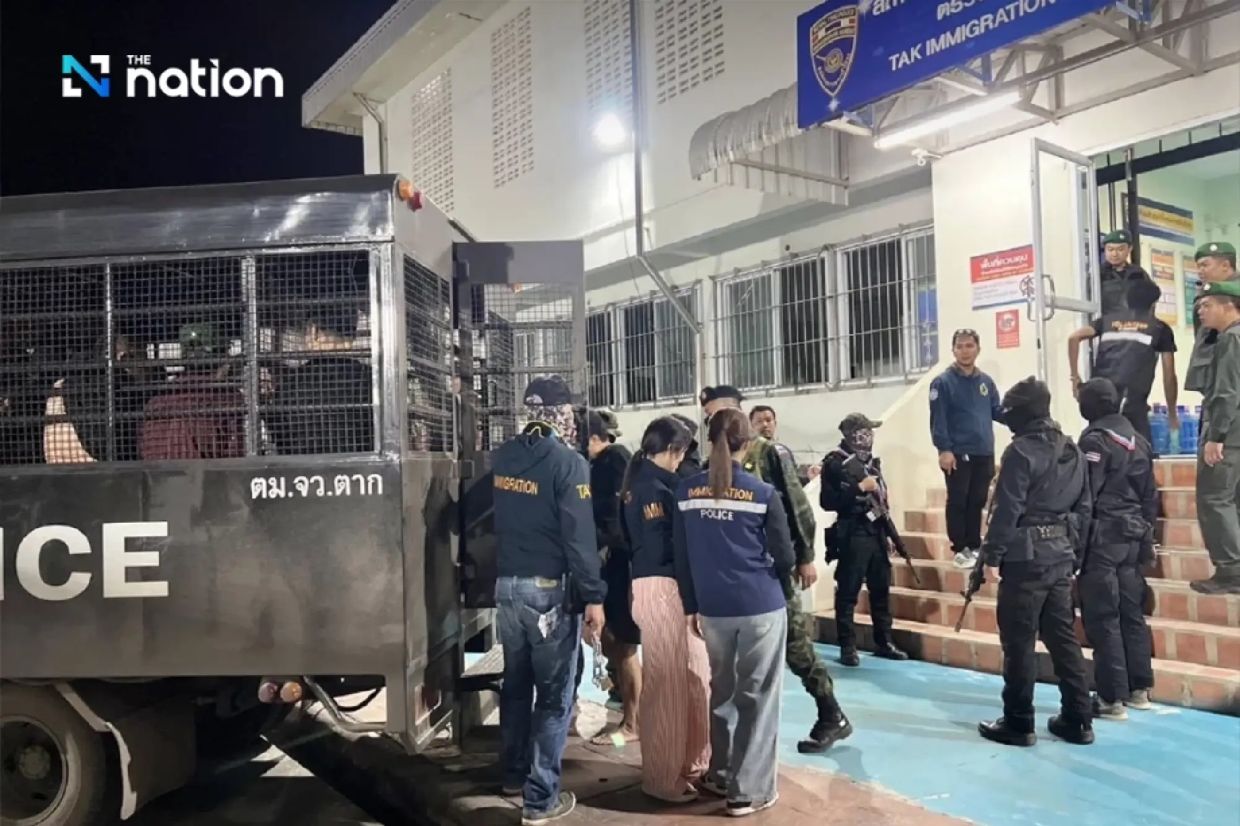
The government has already launched four proactive measures intended to tighten border screening and reduce future exploitation of immigration pathways. These initiatives target frequent travellers entering and exiting Thailand without clear justification, impose enhanced scrutiny on arrivals from jurisdictions associated with higher criminal risk, integrate Thai immigration databases more closely with Interpol and international security agencies, and work to eliminate overlapping visa entitlements that currently permit extended stays. Joint enforcement operations involving military, police, and administrative personnel have intensified inspections of foreign nationals residing illegally in Thailand, resulting in arrests that feed into the existing deportation pipeline. However, the government recognizes that crackdowns on illegal presence cannot substitute for systemic reform that enables faster removal of convicted offenders.
Prime Minister Anutin has framed the deportation reforms within a broader statement about Thailand's approach to foreign nationals. He stated that Thailand welcomes foreigners engaged in legitimate tourism, investment, and business, but those who violate laws or damage the kingdom's interests must experience swift legal consequences and expedited removal. This messaging attempts to balance Thailand's commercial interests in attracting foreign visitors and investors against security imperatives and concerns from Thai workers facing competition from undocumented foreign labour. The government's approach suggests recognition that tourism's sustainability depends partly on perceptions of safety and security among both visitors and Thai citizens.
Deputy Prime Minister Pakorn is expected to commence discussions with multiple agencies to gather detailed information on current deportation timelines, identify specific procedural bottlenecks, and assess the impacts of proposed reforms across legal, administrative, and humanitarian dimensions. Any amendments to the Immigration Act will require careful calibration to avoid inadvertently creating gaps that criminal networks might exploit, or imposing burdens on legitimate travellers that could undermine tourism competitiveness. The review will necessarily involve consultation with foreign embassies, international legal experts, and human rights organizations to ensure that reforms address the government's legitimate security concerns while upholding Thailand's international commitments.
For neighbouring Southeast Asian nations, Thailand's immigration overhaul carries broader implications. The country serves as a regional hub for tourism, finance, and labour migration, with significant populations of ASEAN nationals residing there legally or illegally. Changes to Thai deportation processes and visa requirements could establish precedents that other governments in the region adopt, potentially affecting movement patterns and criminal investigations that span multiple jurisdictions. Additionally, transnational crime networks operating in Thailand frequently extend into neighbouring countries, suggesting that more effective Thai removal procedures could complement enforcement efforts across the region. The success or failure of this immigration reform will likely influence how other Southeast Asian governments assess the balance between facilitating legitimate travel and investment versus controlling security risks.