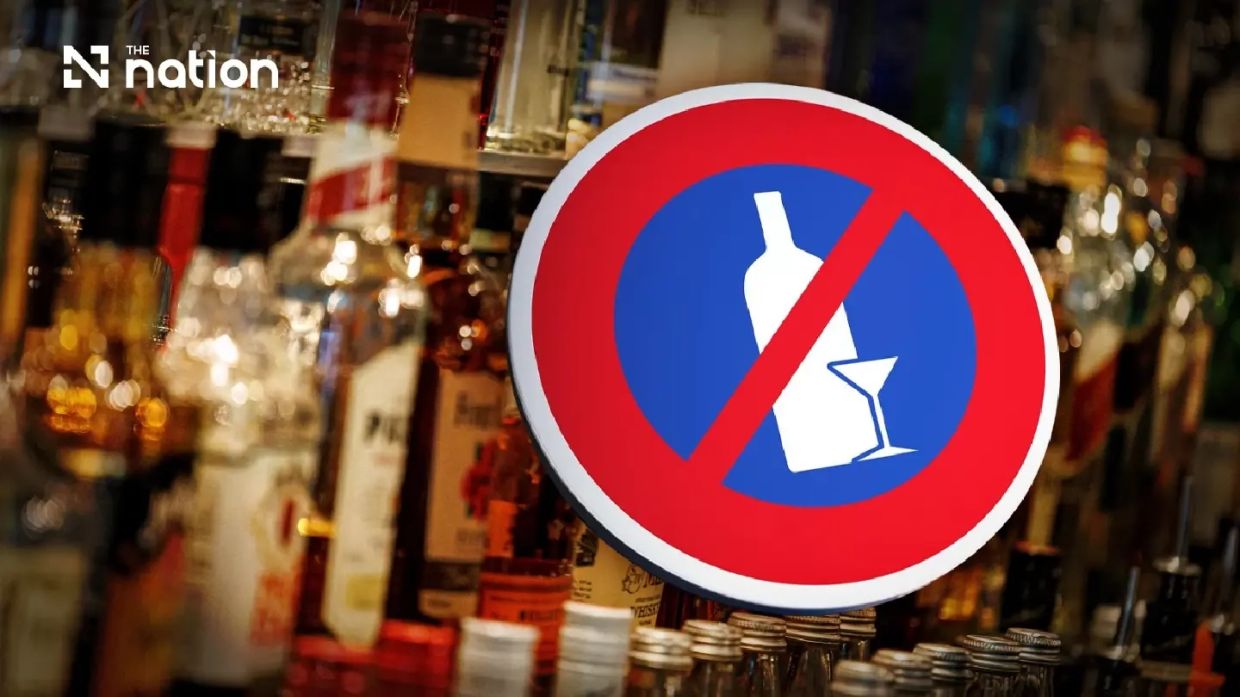
Thailand's Election Commission has moved to enforce a comprehensive alcohol prohibition across Bangkok and Pattaya during the forthcoming local elections scheduled for June 27–28. The ban represents a standard electoral safeguard designed to maintain public order and ensure fair participation in the voting process. Under the restriction, no person, business, or establishment may sell, distribute, gift, or provide any form of alcoholic beverage—including beer, spirits, wine, or similar products—within the designated electoral areas during the specified timeframe.
The prohibited period extends from 6pm on Saturday, June 27, through 6pm on Sunday, June 28, encompassing the full span of local election activity across both jurisdictions. This timing deliberately captures the evening before polling day and the entire voting day itself, a scheduling convention observed in numerous democracies and electoral systems worldwide. The Election Commission's rationale centres on preventing alcohol-fuelled disruptions, maintaining voter sobriety at polling stations, and reducing opportunities for undue influence or disorder during the electoral process.
The elections in question involve contests for the Bangkok Governor and Bangkok Metropolitan Council, as well as positions for Pattaya Mayor and City Council. These represent significant local governance appointments that shape municipal policy, budget allocation, and civic services for millions of residents. Bangkok's metropolitan area particularly commands attention given its population density, economic importance to Thailand's national economy, and the visibility of such contests regionally. Pattaya, meanwhile, serves as a major tourism and business hub along Thailand's eastern seaboard, making its local leadership consequential for business operators and residents alike.
Violations of the alcohol ban trigger substantial legal consequences under Section 123 of the Local Elections Act B.E. 2562 and subsequent amendments. Offenders may face up to six months' imprisonment, fines reaching 10,000 baht, or both penalties simultaneously. These provisions underscore the seriousness with which Thai electoral authorities treat compliance, positioning the restriction not merely as administrative guidance but as law backed by criminal sanction. For retailers, restaurateurs, and hospitality businesses, the 24-hour window necessitates careful planning to avoid inadvertent breaches.
For Malaysian observers, Thailand's approach reflects broader Southeast Asian electoral governance patterns. Most nations in the region implement some form of alcohol restriction during voting periods, recognising the intersection between substance use and electoral integrity. Malaysia itself observes restrictions during general elections, though the specific scope and enforcement mechanisms differ. Understanding Thailand's framework provides useful comparative perspective on how neighbouring democracies balance public order with commercial and personal freedoms during sensitive civic moments.
The Election Commission has directed all relevant authorities to enforce compliance actively and has urged businesses and the general public to cooperate voluntarily. This dual approach—combining regulatory warning with expectation of self-compliance—mirrors enforcement strategies adopted across the region. Compliance officers will likely focus on major commercial establishments, bars, restaurants, and retail outlets rather than conducting household inspections, a pragmatic allocation of limited enforcement resources.
The Commission has also emphasised the elections' role in furthering transparent, fair, and neutral local governance. This framing reflects international electoral best practice and Thailand's commitment to democratic principles in municipal administration. The voting period extends from 8am to 5pm on election day at designated polling stations, providing a standard eight-hour window for participation. Eligible voters are encouraged to cast ballots during this timeframe, though specific eligibility requirements and registration procedures remain governed by existing Thai electoral law.
For Southeast Asian investors and businesses operating in Thailand's metropolitan zones, the temporary prohibition requires operational adjustment. Hotels, bars, nightclubs, and restaurants must suspend alcoholic service briefly, representing minor revenue impacts offset by the overarching electoral process. International visitors and expat communities should be aware of the restriction to avoid inadvertent violations while present in Thailand during the voting period. The prohibition applies uniformly regardless of nationality or residential status within the affected electoral zones.
The Election Commission has established a hotline numbered 1444 for public inquiries and has directed citizens to the official Election Commission of Thailand website for comprehensive information about voting procedures, polling station locations, and regulatory requirements. This information infrastructure supports voter education and helps clarify ambiguities regarding the alcohol ban's scope and implications. Such accessibility mechanisms are increasingly standard in contemporary electoral administration, particularly in technologically connected societies like Thailand.
For Malaysian policymakers and election management bodies, Thailand's approach offers instructive case study material regarding electoral regulation enforcement. The framework demonstrates how statutory penalties combined with public communication and business cooperation can sustain temporary restrictions on commercial activity without requiring intrusive surveillance or aggressive policing. Whether Malaysia's Election Commission might consider comparable frameworks—or has already implemented similar mechanisms—remains relevant as electoral practices continue evolving across the region in response to technological change and democratic maturation.

